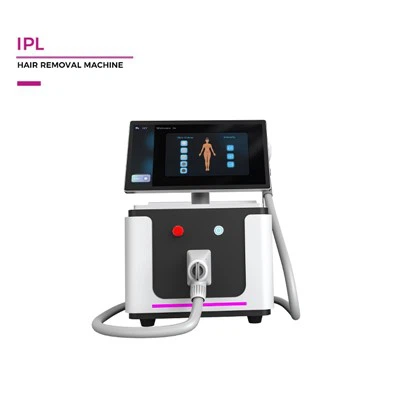




IPL Treatment: Benefits, Uses, Cost & What to Expect From Intense Pulsed Light
IPL treatment has become one of the most versatile light-based procedures used in aesthetic clinics and beauty centers. From unwanted hair and pigmentation to redness and signs of photoaging, intense pulsed light IPL technology allows practitioners to address multiple aesthetic concerns using a single professional platform.
Although people often call it an IPL laser treatment, IPL is technically different from a laser. Instead of producing a single concentrated wavelength, an IPL system delivers a broad spectrum of pulsed light that can be filtered for different treatment targets.
This versatility is one of the reasons IPL treatment remains widely used in professional aesthetics. Depending on the system, filters, treatment parameters, and patient characteristics, IPL may be used for hair reduction, pigmentation concerns, vascular lesions, and skin rejuvenation.
This guide explains how IPL works, the most common types of IPL skin treatment, potential benefits, treatment costs, safety considerations, and what patients and aesthetic professionals should know before treatment.
What Is IPL Treatment?
IPL stands for Intense Pulsed Light, a light-based technology that delivers short pulses of broad-spectrum light into the skin.
Unlike traditional lasers that emit a beam of light at a single, focused wavelength, Intense Pulsed Light (IPL) utilizes a broad spectrum of wavelengths. This "multi-target" mechanism allows light energy to penetrate the skin at various depths simultaneously.
During an IPL treatment, the device emits high-intensity pulses of light that are absorbed by specific chromophores within the skin-primarily melanin and hemoglobin. Upon absorbing this energy, the targets convert it into heat, effectively breaking down excess pigment or sealing off tiny, broken capillaries without damaging the surrounding tissue.
This process is known as selective photothermolysis.
Depending on the target and treatment settings, intense pulsed light may therefore be used to address:
- Unwanted hair
- Sun spots and certain pigmentation concerns
- Freckles
- Visible redness
- Superficial vascular lesions
- Uneven-looking skin tone
- Signs of photodamage
- General skin rejuvenation
The exact capabilities vary between IPL systems, filters, energy settings, pulse configurations, and treatment protocols.

Is IPL a Laser? How does IPL (Intense Pulsed Light) treatment differ from traditional laser treatment?
No. IPL and laser technology are related light-based technologies, but they are not the same.
Although people often refer to IPL as "IPL laser treatment" in casual conversation, technically speaking, it is distinct from laser therapy. Lasers are monochromatic-meaning they emit a single color or wavelength-which allows for high precision when treating specific cosmetic concerns. In contrast, Intense pulsed light utilizes a broad spectrum of wavelengths; while slightly less precise than lasers, it offers a wider range of applications, enabling treatments that span from hair removal to facial skin rejuvenation, resulting in smoother, firmer skin.
This is why terms such as IPL laser and IPL laser treatment are widely used by consumers, even though "IPL laser" is not technically precise. The practical difference is important.
The versatility of IPL therapy stems from the use of specialized filters. By filtering the light spectrum, clinicians can adjust energy parameters to address multiple skin concerns within a single session. For modern clinics, this represents a cost-effective, high-performance, "all-in-one" solution.
How Does Intense Pulsed Light Treatment Work?
An IPL device delivers controlled pulses of light toward the treatment area. Different chromophores absorb different portions of the light spectrum.
Melanin
Melanin absorbs light energy, making it an important target in IPL hair reduction and certain pigmentation treatments.
When treating unwanted hair, absorbed energy heats structures associated with the hair follicle. Because hair grows in different cycles, multiple sessions are normally necessary.
Hemoglobin
Hemoglobin can also absorb selected wavelengths of light.
This allows appropriately configured IPL systems to target the appearance of certain superficial vascular concerns and redness.
Pigmented Lesions
IPL energy can also be absorbed by excess pigment within certain superficial lesions. Following appropriate treatment, the targeted pigmentation may temporarily darken before gradually fading.
The effectiveness and safety of any IPL skin treatment depend heavily on correct patient assessment, filter selection, pulse duration, fluence, cooling, and operator technique.
What Can IPL Treatment Be Used For?
One of the major advantages of professional IPL technology is its ability to support multiple aesthetic applications.
1. IPL Hair Removal
IPL is widely used for long-term hair reduction.
Light energy targets melanin within the hair, converting optical energy into heat and affecting the follicular structures responsible for hair growth.
Because IPL relies substantially on melanin absorption, treatment response can vary according to hair color, skin tone, treatment parameters, and equipment performance.
Dark, pigmented hair generally provides a stronger optical target than very light, blonde, gray, white, or red hair.
Patients interested specifically in this application should evaluate IPL hair removal separately from other IPL skin procedures because treatment schedules and expected outcomes are different.
2. IPL Skin Rejuvenation
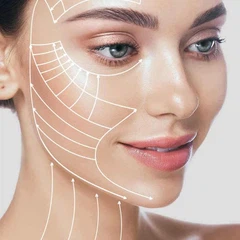
IPL skin treatment is also commonly used to improve the appearance of photoaged or uneven-looking skin.
An IPL skin rejuvenation protocol may target several visible concerns within the same general treatment program, including:
Sun-related pigmentation
Freckles
Uneven skin tone
Facial redness
Visible superficial vessels
Dull-looking skin
Signs of photodamage
For this reason, IPL is sometimes referred to as a photofacial or photo-rejuvenation treatment.
Unlike more aggressive resurfacing procedures, IPL generally works without removing the surface layer of the skin, which can make it attractive to patients looking for treatments with relatively limited downtime.
3. IPL Treatment for Pigmentation
Pigmentation is another major application of IPL laser skin treatment.
Light energy can target melanin concentrated within certain superficial pigmented lesions. After treatment, targeted spots may temporarily become darker before gradually fading as the skin renews.
However, not every type of pigmentation should be treated with IPL.
Correct diagnosis and patient selection are essential because some pigmentary conditions may respond unpredictably to light or heat. Professional assessment should therefore take place before treatment.
4. IPL Treatment for Redness and Vascular Concerns
Selected IPL wavelengths may also target hemoglobin.
This allows professional systems to be used for the appearance of certain superficial vascular lesions, facial redness, visible capillaries, and related concerns.
Treatment suitability depends on the vascular condition, depth, skin type, and capabilities of the IPL system.
IPL Treatment Benefits
If your goal is to reverse the signs of aging and environmental damage, intense pulsed light skin rejuvenation is the gold standard. This procedure is specifically designed to treat "photodamage"-the aging effects caused by UV exposure.
Key benefits of intense pulsed light skin rejuvenation include:
- Pigment reduction: Fading freckles, age spots, and "liver spots."
- Vascular Treatment: Reducing the appearance of rosacea, spider veins, and facial flushing.
- Texture Improvement: Stimulating collagen production to minimize fine lines and shrink enlarged pores.
By undergoing regular intense pulsed light skin treatment, patients can maintain a more even skin tone and a youthful, radiant glow with minimal downtime. And the popularity of IPL is largely connected to its versatility.
1. Multiple Applications
A professional IPL platform may support hair reduction, pigmentation treatment, vascular applications, and skin rejuvenation by using different filters and treatment parameters.
2. Non-Invasive Treatment
IPL treatment normally does not require surgical incisions or injections.
3. Relatively Limited Downtime
Many patients can return to normal activities relatively quickly, although temporary redness, warmth, or swelling can occur.
4. Customizable Parameters
Professional systems allow practitioners to adjust variables such as wavelength filtering, fluence, pulse width, pulse sequence, and cooling according to the patient's skin and treatment objective.
5. Suitable for Treatment Courses
Many IPL applications are performed as a series of sessions, making the technology suitable for structured treatment programs within aesthetic clinics.
For individuals who wish to remove unwanted hair or address facial pigmentation issues but lack the time for medical aesthetic treatments due to busy work schedules, IPL offers an ideal solution: it is non-invasive, painless, and requires no downtime. Patients can immediately resume their daily activities and work-even fitting the treatment into a lunch break.
Beyond Cosmetic Benefits: Intense Pulsed Light (IPL) Therapy for Medical Aesthetics
Intense Pulsed Light (IPL) skin therapy offers more than just cosmetic benefits; it also serves as a clinical treatment for various chronic conditions. It is frequently used to manage active acne by killing P. acnes bacteria and reducing the inflammation of sebaceous glands. For patients with uneven skin texture, the therapy utilizes thermal energy to promote dermal remodeling, resulting in smoother, healthier skin over time.
IPL vs Laser Hair Removal
One of the most frequent questions we receive is the difference between ipl vs laser hair removal. Both technologies aim to disable hair follicles to prevent future growth, but they do so differently.
Laser hair removal utilizes a concentrated beam of light, making it highly effective at removing deep-seated, coarse hair.
IPL (Intense Pulsed Light) therapy employs a broader light source capable of covering large areas more quickly, often making it more efficient for treating regions like the legs or back.
Versatility:
Laser devices are typically dedicated solely to hair removal, whereas IPL devices can switch to skin rejuvenation modes simply by changing the filter.
Comfort:
Many individuals undergoing treatment find the mild, "snapping" sensation associated with IPL easier to tolerate than the intense, burning heat sometimes produced by high-power lasers.
When choosing between IPL (Intense Pulsed Light) and laser hair removal, the best option depends on your skin tone, skin type, and the specific area being treated.
🌟🌟🌟How should individuals with different skin tones choose the right treatment? For details, please read: "Diode vs. IPL Laser Hair Removal Machines: Which Is Better for Your Salon or Clinic?"
IPL Treatment vs. Laser Treatment
Although IPL laser treatment is a popular search term, IPL and laser systems should not automatically be considered interchangeable.
| Feature | IPL Treatment | Laser Treatment |
|---|---|---|
| Light source | Broad-spectrum pulsed light | Specific laser wavelength |
| Wavelengths | Multiple wavelengths filtered according to application | Usually one or several defined wavelengths |
| Applications | Hair, pigmentation, redness, rejuvenation | Depends on laser type |
| Targeting | Broad and adjustable | Highly wavelength-specific |
| Versatility | High | Technology-dependent |
| Treatment choice | Depends on skin concern and patient profile | Depends on wavelength and indication |
Neither technology is universally "better."
For example, a dedicated diode or Alexandrite laser may be preferred for certain professional hair removal applications, while IPL can be attractive when a clinic wants one platform capable of supporting several aesthetic treatments.
The appropriate technology should therefore be selected according to the patient's characteristics, treatment objective, and equipment capabilities rather than simply choosing between "IPL vs laser."
What Happens During an IPL Treatment?
A professional IPL treatment generally begins with consultation and assessment.
1. Consultation
The practitioner evaluates the patient's:
Skin type
Treatment concern
Medical history
Recent sun exposure
Photosensitivity
Medications
Previous aesthetic treatments
This step is particularly important because IPL interacts with melanin.
2. Skin Preparation
The treatment area is cleaned and prepared. Depending on the application and system, appropriate contact gel or other preparation may be used.
Protective eyewear should be provided.
3. Parameter Selection
The practitioner selects appropriate filters and adjusts energy, pulse duration, pulse sequence, and other parameters according to the indication and skin response.
A patch test may be appropriate before a full treatment, particularly for new patients or when treatment parameters are being established.
4. Light Delivery
The handpiece is positioned against the treatment area and controlled pulses of light are delivered.
Patients may experience warmth or a brief snapping sensation.
Professional IPL systems may incorporate cooling technology to improve epidermal protection and treatment comfort.
5. Post-Treatment Care
After treatment, temporary redness, warmth, mild swelling, or darkening of targeted pigmentation may occur.
Appropriate sun protection and post-treatment instructions should be followed.
How Many IPL Treatments Are Needed?
There is no universal number of IPL treatments because treatment schedules depend on the indication.
Hair reduction, pigmentation, vascular concerns, and general rejuvenation follow different biological processes and therefore require different protocols.
For hair reduction, multiple sessions are necessary because only a proportion of hairs are in an appropriate growth phase at any given time.
For pigmentation or rejuvenation, the number and spacing of sessions depend on the condition being treated, skin response, device parameters, and desired outcome.
Patients should therefore be given an individualized treatment plan rather than being promised a fixed number of sessions.
How Long Does an IPL Treatment Take?
Treatment time depends largely on the size of the treatment area and the application.
A small facial area can usually be treated considerably faster than larger areas of the body.
Professional systems with larger treatment windows and efficient pulse delivery can also improve treatment speed, which is particularly important for clinics managing high patient volumes.
Consultation, preparation, and post-treatment care should also be considered when scheduling appointments.
Does IPL Treatment Hurt?
Most patients describe IPL as producing warmth, tingling, or a brief snapping sensation.
Comfort varies according to:
- Treatment area
- Energy settings
- Skin sensitivity
- Hair density
- IPL application
- Cooling system
- Individual pain tolerance
Modern professional IPL systems may use integrated cooling to help control epidermal temperature and improve comfort during treatment. Patients should immediately inform the practitioner if they experience unexpected or excessive discomfort.
Is IPL Treatment Safe?
IPL can be performed safely when appropriate equipment, patient selection, treatment parameters, and professional protocols are used.
However, IPL is not risk-free.
Possible temporary reactions can include:
Redness
Mild swelling
Warmth
Sensitivity
Temporary pigment darkening
Perifollicular redness following hair treatment
Less common complications may include burns, blistering, hyperpigmentation, or hypopigmentation, particularly when unsuitable parameters are used or when the patient has significant recent sun exposure.
Protective eyewear is also essential because IPL systems produce intense visible and near-infrared light.
Professional training, correct skin assessment, patch testing where appropriate, reliable cooling, and controlled energy delivery are therefore important parts of responsible IPL treatment.
Who May Not Be Suitable for IPL Treatment?
Suitability should always be assessed individually. Additional caution or treatment postponement may be necessary in situations involving:
- Recent tanning or significant sun exposure
- Active infection in the treatment area
- Open wounds
- Certain photosensitizing medications
- Some photosensitivity disorders
- Certain pigmentary conditions
- Pregnancy, depending on clinic protocol and treatment indication
- Previous adverse reactions to light-based procedures
Patients with darker skin tones require particularly careful parameter selection because higher epidermal melanin levels can increase light absorption.
A qualified practitioner should determine whether IPL is appropriate before treatment.
IPL Skin Treatment Cost: What Determines the Price?
IPL skin treatment cost varies significantly between clinics and regions, so there is no single universal price. Several factors influence the final cost.
Treatment Area
Small facial areas usually require less treatment time than larger areas.
Treatment Type
Hair reduction, pigmentation treatment, vascular treatment, and full-face rejuvenation may be priced differently.
Number of Sessions
Because many IPL applications require a treatment course, the total cost should be evaluated across the complete treatment plan rather than by a single session.
Clinic Location
Operating costs and local market conditions influence treatment prices.
Equipment Quality
Professional-grade systems, maintenance, consumables, cooling technology, and technical support all contribute to the clinic's operating cost.
Practitioner Experience
Experienced practitioners and medically supervised clinics may charge more because professional assessment and parameter selection are important parts of treatment quality.
For patients, the lowest per-session price should therefore not be the only consideration.
For clinic owners, treatment pricing should also account for equipment investment, treatment time, utilization rate, consumables, maintenance, and expected patient volume.
IPL Treatment Before and After: What Results Can You Expect?
Results depend on what is being treated.
For hair reduction, patients may gradually notice slower regrowth and reduced hair density over a treatment course.
For pigmentation, selected superficial spots may initially darken before gradually fading.
For skin rejuvenation, improvement is generally progressive rather than an immediate dramatic transformation.
Results vary according to: Skin type; Target condition; Treatment parameters; Number of sessions; Equipment performance; Operator experience; Sun exposure; Individual biological response.
Before-and-after photographs should therefore be evaluated in the context of the specific treatment protocol rather than treated as guaranteed outcomes.
More about IPL treatment before and after:【What To Expect: IPL Hair Removal Before And After Results】
IPL Treatment Aftercare
A typical treatment session lasts between 20 and 45 minutes. In the hours following the procedure, you may experience mild redness similar to a slight sunburn. Sun protection is essential to maximize the treatment's effectiveness; be sure to use a broad-spectrum sunscreen with SPF 30+ and wear protective clothing or a mask when outdoors to shield your newly treated skin from further UV damage. Appropriate aftercare helps reduce unnecessary irritation and protects treated skin. Patients are commonly advised to:
- Avoid excessive sun exposure
- Use broad-spectrum sunscreen
- Avoid very hot showers or saunas immediately after treatment
- Avoid aggressive exfoliation while the skin is sensitive
- Use gentle skincare products
- Avoid scratching or picking treated pigmentation
- Follow the practitioner's individualized instructions
Sun protection is particularly important after an IPL skin treatment, as treated skin may temporarily be more sensitive to ultraviolet exposure.
Why Professional IPL Technology Matters
The effectiveness of an IPL treatment depends on much more than the words "intense pulsed light" on the machine.
Professional systems should allow practitioners to control important treatment variables such as:
- Filter or wavelength range
- Energy output
- Pulse duration
- Pulse sequence
- Treatment spot size
- Cooling
- Application-specific parameters
Stable energy delivery and reliable cooling become especially important when a system is used repeatedly in a professional environment. For clinics, beauty centers, distributors, and aesthetic professionals, equipment selection should therefore consider not only purchase price but also treatment versatility, system reliability, training, technical support, maintenance, and long-term operating cost.
IPL Treatment in Modern Aesthetic Clinics
IPL remains attractive to professional clinics because one platform can potentially support several high-demand treatment categories.
A clinic may use the same professional system for different applications by changing filters and treatment parameters, depending on the equipment configuration.
This can provide several business advantages:
Broader treatment menus
Higher equipment utilization
Multiple revenue opportunities from one platform
Treatment-course and maintenance opportunities
Efficient use of clinic space
Greater flexibility when serving different patient concerns
For new aesthetic businesses, IPL can provide a versatile entry point into professional light-based treatments. For established clinics, it can complement dedicated laser technologies and expand the range of services available.
Choosing the Right IPL Treatment and Equipment
For patients, the first question should be:
What condition am I trying to treat?
The answer determines whether IPL, diode laser, Alexandrite laser, Nd, or another technology may be more appropriate. For professional buyers, the questions are different.
Before investing in an IPL platform, consider:
What treatments will the clinic offer?
Which filters are included?
What skin types will commonly be treated?
How stable is the energy output?
What cooling technology is used?
How quickly can treatments be performed?
Is operator training available?
What certifications apply to the equipment?
What warranty and technical support are provided?
Are OEM or customization services available?
The best professional system is not simply the one with the highest specifications. It should match the clinic's treatment menu, customer profile, workflow, and business model.
FAQ About IPL Treatment
What is IPL treatment?
IPL treatment uses intense pulsed light across a broad wavelength spectrum to target selected chromophores such as melanin and hemoglobin. Depending on the equipment and treatment parameters, it may be used for hair reduction, pigmentation concerns, redness, vascular applications, and skin rejuvenation.
Is IPL treatment the same as laser treatment?
No. A laser generally produces light at a specific wavelength, while IPL delivers broad-spectrum pulsed light that can be filtered for different applications. The term "IPL laser treatment" is commonly used, but IPL is technically not a laser.
What is IPL skin treatment used for?
IPL skin treatment may be used to improve the appearance of sun-related pigmentation, freckles, redness, superficial vascular concerns, uneven skin tone, and other visible signs of photodamage.
How many IPL treatments do I need?
The number of sessions depends on the treatment objective, skin condition, equipment, parameters, and individual response. Hair reduction and skin rejuvenation, for example, require different treatment schedules.
How much does IPL skin treatment cost?
IPL skin treatment cost varies according to treatment area, clinic location, treatment type, number of sessions, practitioner expertise, and equipment used. A complete treatment plan is more useful for evaluating cost than the price of one session alone.
Is IPL treatment painful?
Patients commonly describe warmth or a brief snapping sensation. Comfort depends on the treatment area, energy settings, skin sensitivity, application, and cooling technology used by the IPL system.
Can IPL be used for both hair removal and skin rejuvenation?
Many professional IPL systems support both applications by using different filters and treatment parameters. However, the protocols and treatment objectives are different, and each application should be assessed individually.
Is IPL suitable for every skin type?
Not necessarily. Because IPL interacts with melanin, skin type is an important factor in treatment planning. Darker or recently tanned skin may require additional caution, modified parameters, or an alternative technology.
Final Thoughts: Is IPL Treatment Worth Considering?
IPL treatment remains an important technology in modern aesthetic practice because it combines versatility, non-invasive treatment, customizable parameters, and multiple potential applications within a single platform.
For patients, the most important factors are correct diagnosis, realistic expectations, professional treatment, and appropriate technology selection.
For clinics and aesthetic professionals, intense pulsed light can provide a flexible platform capable of supporting hair reduction, pigmentation treatment, vascular applications, and skin rejuvenation while allowing the business to expand its treatment menu.
Rather than asking whether an IPL laser is universally better than another technology, the more useful question is whether IPL matches the specific treatment objective, patient profile, and clinical application.
For professional IPL equipment, treatment technologies, and clinic solutions, explore Newangie's IPL resources and professional aesthetic systems.
Explore More Professional Resources >>
If you're still researching before purchasing, explore our expert buying guides and educational resources: