



As temperatures rise, if you are planning to undergo laser hair removal this summer, you need to consider sun protection in advance. You might be wondering: "Do I need sun protection before the procedure?" "Will skipping sun protection afterward really affect the results?" "Can you go in sun after laser hair removal?" The answer is a definite "no." So, what are the reasons? Understanding the connection between laser hair removal and sun exposure is essential for achieving the best treatment results. Whether you're preparing for your first session or recovering afterward, knowing how laser hair removal and sun exposure affect your skin can help you avoid pigmentation, irritation, and unnecessary complications.
Why Is Laser Hair Removal and Sun Exposure a Risky Combination?
Laser hair removal works by using light energy at specific wavelengths to penetrate the skin and target the melanin within hair follicles; the resulting photothermal effect destroys the follicles, thereby inhibiting hair growth. After completing several sessions, most people achieve long-lasting, smooth, hair-free skin. This is why dermatologists often emphasize the importance of managing laser hair removal and sun exposure throughout the treatment process.
The issue is that while the laser targets melanin in the hair follicles, it also causes melanocytes (pigment-producing cells) in the skin to become abnormally active. If the skin is exposed to ultraviolet (UV) rays after the procedure, the UV radiation further stimulates these cells to produce excessive melanin, significantly increasing the risk of post-inflammatory hyperpigmentation.
In simple terms, the treated area becomes prone to localized darkening or white spots; once this pigmentation occurs, it fades very slowly-potentially taking months or even longer to resolve.
Additionally, the skin's barrier function is temporarily compromised following laser hair removal, leaving the skin susceptible to damage. Exposure to UV radiation during this time can further worsen the skin's condition.
How to Manage Laser Hair Removal and Sun Exposure Before Treatment
Strictly avoid sun exposure for at least 4 weeks beforehand
Proper planning for laser hair removal and sun exposure should begin at least four weeks before your appointment. Most medical institutions and experts recommend avoiding excessive sun exposure-including prolonged outdoor activity and intentional tanning-for at least four weeks prior to treatment. If your skin is already tanned or sunburned, you typically need to wait about six weeks for your skin tone to return to normal before undergoing the procedure.
Practice daily sun protection
When going outdoors, be sure to apply a generous amount of broad-spectrum sunscreen (SPF 30 or higher) and use physical sun protection-such as parasols, sun-protective clothing, hats, and face masks-to shield your skin from the sun. Maintain these habits even on cloudy days, as UV rays are still present and can affect skin sensitivity.

Avoid using tanning products
In addition to avoiding natural sun exposure, discontinue the use of tanning products or tanning beds to ensure there are no traces of artificial tan on your skin. Darkening of the skin in the area to be treated can interfere with the laser's ability to precisely target hair follicles.
Ensure skin is clean on the day of treatment
On the day of the procedure, thoroughly cleanse the area to be treated, ensuring there is no residue from cosmetics or lotions. Also, verify that the treatment area is free from sunburn, open wounds, or infections.
Laser Hair Removal and Sun Exposure After Treatment: What You Should Do
The relationship between laser hair removal and sun exposure becomes even more important after your treatment because the skin barrier needs time to recover. Post-procedure sun protection methods are largely similar to pre-procedure ones; you should not stop protecting your skin just because the treatment has ended. In fact, the post-procedure period is even more critical for sun protection.
To ensure your skin recovers quickly and to achieve the best hair removal results, proper sun protection is essential.
Avoid direct sunlight
Depending on the specific procedure, you should avoid direct sunlight for at least 2 to 4 weeks, so try to minimize outdoor activities. Additionally, UV rays can easily penetrate window glass and thin clothing. Protect your skin even when indoors near a window or while traveling in a vehicle.
Use physical sun protection (within 1 week post-procedure)
Your skin is relatively sensitive in the days immediately following treatment. It is recommended to avoid applying standard sunscreen to the treated area during the first week; instead, rely primarily on physical barriers for protection. When going out, wear long-sleeved tops, long trousers, or UV-protective clothing, and use hats or parasols; these are the most direct and effective forms of protection.
Choose the right sunscreen (after 1 week)
Once your skin condition has stabilized, you can apply sunscreen in addition to using physical barriers. Opt for products with a high SPF and a lightweight texture to avoid greasiness that could clog pores.
If you have undergone a procedure involving incisions, do not apply sunscreen to the wound to prevent infection; wait for your practitioner's approval before applying sunscreen to that area.
Additionally, sunscreen can break down or wear off, so frequent reapplication is necessary-ideally every two hours.
Avoid swimming in the afternoon
For 1–2 weeks after laser hair removal, avoid not only direct sun exposure but also swimming during the afternoon when the sun is strongest. Water reflects UV rays, which can intensify the damage to your skin.
What Happens If Laser Hair Removal and Sun Exposure Occur Together?
If laser hair removal and sun exposure occur within the recovery period, your skin may become red, swollen, or develop post-inflammatory hyperpigmentation. If proper sun protection is neglected after the procedure and the skin is exposed to the sun, it may lead to redness, swelling, and pain, or even worsen pigmentation.
In such cases, you should take immediate remedial measures:
- Apply a cold compress immediately: Use an ice pack or a cold towel on the affected area to constrict blood vessels, soothe the skin, and alleviate redness, swelling, and a burning sensation.
- Apply repair products: You can apply aloe vera gel or medical-grade repair gel to the area to help hydrate and repair the skin.
- Monitor for pigmentation changes: If you notice the skin darkening or spots appearing later, you can increase your intake of Vitamin C-rich foods or use medications to fade pigmentation under a doctor's guidance.
If blisters, severe redness and swelling, or intense pain occur after sun exposure, it is recommended to contact the clinic where the procedure was performed or seek medical attention promptly.
Sun Exposure Precautions After Intimate Area Hair Removal
Many people forget that laser hair removal and sun exposure can also affect intimate treatment areas. Many people mistakenly believe that because intimate areas are usually covered by clothing, sun exposure is not a concern-a common oversight. In reality, areas such as the bikini line and groin remain vulnerable to sun exposure after laser hair removal. This is particularly true when wearing a bikini at the beach or pool, or while sunbathing, as these areas become directly exposed to ultraviolet (UV) rays.
Skin in intimate areas is naturally thinner and more sensitive, and the skin barrier is temporarily compromised following laser treatment. Consequently, sun exposure increases the risk of hyperpigmentation (darkening of the skin) or irritation. Therefore, you should avoid sunbathing in a bikini or engaging in prolonged outdoor activities for 2 to 4 weeks after the procedure. If such exposure is unavoidable, be sure to use physical protection (such as dark-colored, high-waisted bikini bottoms) or apply a high-SPF physical sunscreen once the skin has stabilized.
To learn more about specific aftercare for intimate area hair removal, please check out our dedicated guide on the subject.
What's The Real Feeling of Laser Hair Removal Vulva?
How long should you avoid sun exposure after laser hair removal?
It is generally recommended to practice strict sun protection for at least two weeks, though ideally, this should be maintained for a full month post-treatment. You can gradually resume normal sun exposure once the skin barrier has fully healed and any redness, swelling, or sensitivity has completely subsided. Even then, however, you should remain diligent about daily sun protection, as ultraviolet rays are a primary cause of skin aging and pigmentation spots.
Is laser hair removal safe for all skin types?
It is not absolutely safe for every skin type. For instance, individuals with darker skin tones have higher levels of melanin in the epidermis; this melanin competes with the melanin in the hair follicles to absorb laser energy, creating a risk of burns. However, by selecting the appropriate type of laser and an experienced practitioner, individuals with darker skin can also undergo laser hair removal safely and effectively.
Choosing the right laser type
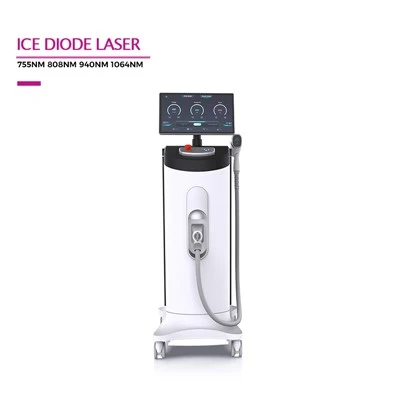
The 808nm diode laser and the 1064nm long-pulse Nd: YAG laser are considered safer and more effective options for darker skin tones. This is because their longer wavelengths allow for deeper penetration while resulting in less absorption by epidermal melanin.
Seeking an experienced practitioner
An experienced practitioner can precisely adjust parameters-such as laser energy and pulse duration-based on your specific skin tone and hair color, allowing individuals with darker skin to undergo the procedure without worrying about the risk of burns.
Who is not suitable for laser hair removal?
The following groups are generally considered unsuitable for laser hair removal:
- Pregnant or breastfeeding women, and women currently menstruating.
- Individuals with infections, open wounds, skin diseases, or tattoos in the treatment area.
- Individuals with photosensitive skin conditions (such as lupus erythematosus) or those currently taking photosensitizing medications.
- Individuals with a history of keloids or hypertrophic scarring.
- Individuals with systemic diseases such as diabetes, severe heart disease, or blood clotting disorders.
After laser hair removal, sun exposure not only poses a risk of pigmentation but can also directly affect the level of pain you experience. Since the skin is in a sensitive state with a compromised barrier function following the procedure, exposure to UV rays can easily intensify sensations of burning and redness, turning mild, manageable discomfort into something far more noticeable. In short, sun protection is not just about preventing tanning-it is also about preventing pain.
To learn more about minimizing pain during hair removal, please read our special feature: "Is laser hair removal painful?"
Related Reading
《How Long After Laser Does Hair Fall Out》
《What To Expect After First Laser Hair Removal?》
《Laser Hair Removal Vulva: What's The Real Feeling》
《Is Laser Hair Removal Painful? 》
《Diode Laser Hair Removal Series》