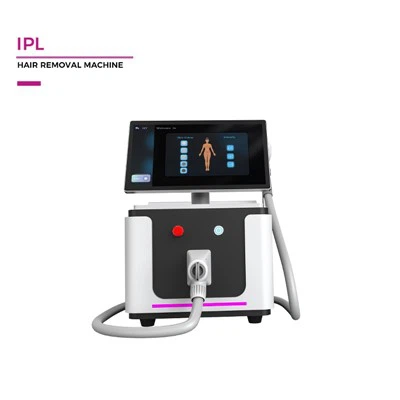




Intense Pulsed Light (IPL) hair removal is currently one of the most popular long-term hair removal methods used in clinics and beauty salons worldwide. While this safe and reliable technology is FDA-approved, it-like any cosmetic procedure-carries the risk of potential side effects. However, there is no need for concern; most post-treatment symptoms are mild and temporary, and they can be entirely prevented by using the proper equipment and techniques.
IPL hair removal side effects are one of the biggest concerns for people considering Intense Pulsed Light (IPL) hair removal. Questions like "Is IPL safe?", "Can IPL cause burns?", and "How long do redness or swelling last?" are searched thousands of times every month.
The good news is that most IPL hair removal side effects are mild, temporary, and completely manageable when treatments are performed using the correct energy settings, proper cooling technology, and appropriate aftercare. Typical reactions include slight redness, mild swelling around the hair follicles, temporary warmth, and increased skin sensitivity. These symptoms usually disappear within a few hours to several days. However, improper treatment parameters, poor-quality equipment, or inexperienced operators can increase the risk of burns, pigmentation changes, or prolonged irritation. In this guide, you'll learn the most common IPL hair removal side effects, how long they last, who is more likely to experience them, and how professional IPL technology helps maximize treatment safety.
Are IPL Hair Removal Side Effects Normal?
Yes.
For most people, IPL hair removal side effects are a completely normal response to light-based treatment. During an IPL treatment, broad-spectrum light is absorbed by melanin inside the hair follicle. The absorbed light energy converts into heat, temporarily affecting both the hair follicle and the surrounding skin tissue.
As a result, it is common to experience:
- Mild redness
- Slight swelling
- Temporary warmth
- Tingling sensation
- Mild tenderness around hair follicles
These reactions usually indicate that the treatment is working as intended and are not signs of skin damage.
Most symptoms resolve naturally without medical intervention when appropriate aftercare instructions are followed.
Common IPL Hair Removal Side Effects

Redness and mild swelling
This is the most common reaction following IPL treatment. After the procedure, the treated area may exhibit slight redness or swelling, resembling a mild sunburn. This occurs because the broad-spectrum light heats the hair follicles and surrounding tissues. These symptoms typically subside within a few hours to a day without requiring special care; applying a soothing gel or a cold compress is usually sufficient.
Sensation of heat or stinging
During treatment, you may feel a snapping sensation on the skin, similar to being flicked by a rubber band. This is normal and indicates that the light energy is being absorbed by the melanin in the hair; it is not a burn. Professional IPL hair removal devices, such as the Newangies IPLS1 system, utilize advanced contact cooling technology to maintain skin surface comfort throughout the session, thereby significantly reducing this discomfort.
Pigmentation changes
This is the side effect that requires the most attention. Since IPL (Intense Pulsed Light) works by targeting melanin, individuals with darker skin tones (Fitzpatrick types V–VI) are more susceptible to hyperpigmentation (dark spots) or hypopigmentation (light patches).
These changes are usually temporary but may take weeks or even months to fade. Clinics should always perform a patch test and adjust energy settings based on the client's skin type. The Newangies IPL platform features an intuitive 15.6-inch touchscreen, preset parameters, and adjustable energy levels, allowing operators to safely customize the treatment plan for each session.
Perifollicular edema
Some clients may notice small red bumps appearing around the hair follicles after treatment. This indicates that the follicles are responding to the light therapy; in fact, many practitioners consider this a sign of effective treatment. This condition typically resolves on its own within 24 to 48 hours.
Risk of eye exposure
Intense Pulsed Light (IPL) emits pulses of intense visible and near-infrared light (typically with wavelengths between 530 and 1200 nm). Direct exposure to the eyes can cause discomfort or injury. Both the operator and the client must wear protective eyewear during every treatment session. This requirement must not be overlooked.
IPL is not suitable for everyone. Honest disclosure of contraindications helps build client trust and protects the clinic from legal liability:
- Individuals with very dark skin (Fitzpatrick V-VI)
- Pregnant or breastfeeding women
- Those taking photosensitizing medications (e.g., certain antibiotics, retinoids)
- Clients with active infections, open wounds, or tattoos in the treatment area
- Individuals with a history of keloid scarring or photosensitivity disorders

How Long Do IPL Hair Removal Side Effects Last?

Fortunately, most IPL treatment side effects resolve quickly.
| Side Effect | Typical Recovery Time |
|---|---|
| Redness | Several hours to 24 hours |
| Mild Swelling | 24–48 hours |
| Skin Sensitivity | 1–3 days |
| Dry Skin | 2–5 days |
| Temporary Pigmentation | Several weeks (rare) |
| Burns or Blisters | Medical evaluation recommended |
If symptoms continue worsening instead of improving after several days, professional medical advice should be sought.
Normal vs Serious IPL Hair Removal Side Effects
One of the easiest ways to understand treatment safety is to distinguish between expected reactions and symptoms that require medical attention.
| Normal Side Effects | Seek Medical Advice |
|---|---|
| Mild redness | Large blisters |
| Slight swelling | Severe burns |
| Temporary warmth | Persistent severe pain |
| Tingling sensation | Fever or infection |
| Mild tenderness | Spreading redness |
| Perifollicular edema | Pus or open wounds |
Most patients only experience the temporary reactions listed in the left column. Serious complications are uncommon and are typically associated with improper treatment settings or inadequate operator training rather than IPL technology itself.
Why Do IPL Hair Removal Side Effects Occur?
Understanding why IPL hair removal side effects occur helps patients and practitioners reduce unnecessary concerns and improve treatment outcomes. Unlike lasers that emit a single wavelength, Intense Pulsed Light (IPL) produces a broad spectrum of light that targets melanin inside the hair follicle through selective photothermolysis. As light energy is converted into heat, the follicle is gradually damaged to inhibit future hair growth. During this process, a small amount of heat is also absorbed by the surrounding skin, which explains why temporary redness or mild swelling may occur after treatment.
Most IPL hair removal side effects are not caused by the technology itself but by factors such as:
- Incorrect energy settings
- Skin type mismatch
- Recent sun exposure
- Lack of cooling during treatment
- Poor-quality equipment
- Inexperienced operators
Modern professional IPL systems greatly reduce these risks through intelligent energy control and advanced cooling technology.
How to Minimize IPL Hair Removal Side Effects?

Pre-treatment Precautions
- Perform a patch test on a small area of skin 24–48 hours before the full treatment.
- Start with conservative energy settings, then gradually increase the energy based on the client's tolerance and skin reaction.
- Ensure the skin is properly prepared: gently shave off surface hair the day before or the day of treatment (do not use wax or epilators), and cleanse the skin to remove any traces of lotion, deodorant, or cosmetics.
- Use a machine equipped with an effective cooling system. Devices featuring integrated contact cooling-such as the Newangie professional IPL system-protect the epidermis and enhance client comfort without compromising treatment efficacy.
Post-treatment Care
- Avoid high temperatures: Refrain from sun exposure, hot showers, saunas, or strenuous exercise for 24–48 hours after treatment.
- Strict sun protection: Apply broad-spectrum sunscreen (SPF 30+) to the treated area daily, and wear hats or protective clothing when outdoors.
Prioritize operator training
Having well-trained operators use certified, high-quality equipment is the most important factor in minimizing side effects. Newangie provides free online training, product manuals, and instructional videos with the purchase of every machine.
IPL vs. Diode Laser: Do Technical Differences Affect Side Effects?
You might be wondering: since the side effects of IPL primarily stem from the interaction between broad-spectrum light and melanin, does using a different hair removal technology-such as the diode laser-carry a lower risk? In short, each technology has its own unique safety profile, and the best choice depends largely on your client base.
Diode lasers utilize a single, specific wavelength (typically 808 nm), offering deeper penetration and more targeted melanin absorption; this translates to a wider margin of safety for clients with darker skin tones. In contrast, IPL is more versatile, capable of performing various treatments beyond hair removal. For a detailed comparison of the two regarding efficacy, comfort, and safety, please refer to our comprehensive guide: "Diode vs. IPL Laser Hair Removal Machines: Which Is Better for Your Salon or Clinic?"
| Feature | IPL Hair Removal | Diode Laser Hair Removal |
|---|---|---|
| Light Source | Broad-spectrum intense pulsed light | Single wavelength laser |
| Target Precision | Moderate | Very High |
| Best For | Hair removal + skin rejuvenation | Professional hair removal |
| Skin Types | Fair to medium skin | Fair to dark skin (depending on wavelength) |
| Pigmentation Risk | Slightly higher on dark skin | Lower with proper wavelength selection |
| Treatment Comfort | Comfortable with cooling | Comfortable with advanced cooling |
| Treatment Speed | Large treatment areas | Faster hair reduction efficiency |
When to Seek Medical Attention?
Most side effects resolve on their own; however, if you experience blistering, severe pain, a persistent burning sensation, or signs of infection (such as pus, spreading redness or swelling, or fever), contact the treating practitioner immediately.
Such occurrences are rare and typically result from improper parameter settings or equipment malfunction.

Expert Insight
After years of manufacturing professional IPL hair removal systems for aesthetic clinics worldwide, we have found that the majority of significant IPL side effects are associated with incorrect treatment parameters rather than the technology itself.
Modern professional IPL platforms equipped with intelligent energy control, multiple wavelength filters, and continuous cooling systems have substantially improved treatment safety compared with earlier generations of IPL equipment.
When treatments are performed by trained professionals using high-quality devices, most patients experience only mild, temporary reactions that resolve naturally within a short period.
Consequently, the equipment you choose serves as the first line of defense for safety. A well-engineered IPL (Intense Pulsed Light) device-featuring comprehensive safety certifications, a reliable cooling system, and precise energy control-can effectively transform most potential side effects into non-issues. Manufacturers like Newangie, backed by 17 years of industry experience and full certifications (including FDA, CE, and ISO), place this philosophy at the core of their professional IPL platform designs; furthermore, Newangie provides complimentary product training and operational guidance, enabling practitioners at your clinic or beauty salon to quickly master the equipment and significantly minimize risks associated with improper use.
FAQ
Q: Does IPL hair removal damage the skin?
A: No. Professional IPL hair removal selectively targets hair follicles while minimizing damage to surrounding tissue. Temporary redness is common, but permanent skin damage is rare when treatments are performed correctly.
Q: Can IPL hair removal cause burns?
A: Minor burns may occur if excessive energy is used or recently tanned skin is treated. Choosing experienced practitioners and professional IPL equipment significantly reduces this risk.
Q: Is IPL safe for dark skin?
A: Yes-but only when appropriate settings and suitable filters are used. Modern professional IPL systems offer adjustable parameters to improve safety across different skin types, although diode lasers are often preferred for very dark skin.
Q: Are IPL side effects permanent?
A: In almost all cases, no. Common reactions such as redness, swelling, or temporary pigmentation changes resolve naturally. Permanent side effects are extremely rare and are usually associated with improper treatment.
Q: How long does redness last after IPL?
A: Most redness subsides within several hours. For sensitive skin, mild redness may remain for up to 24–48 hours before disappearing naturally.
Conclusion
Modern IPL hair removal has become one of the safest and most versatile aesthetic treatments available today. Like any cosmetic procedure, IPL hair removal side effects can occur, but the vast majority are temporary, mild, and completely manageable when treatments are performed correctly. Proper skin assessment, appropriate treatment parameters, professional equipment, and careful aftercare all contribute to safer treatments and better clinical outcomes. For clinics and distributors, investing in a professional IPL hair removal device with intelligent energy control and advanced cooling technology not only improves patient comfort but also helps minimize treatment risks while delivering more predictable results. Understanding both the benefits and the limitations of Intense Pulsed Light (IPL) enables practitioners to provide safer treatments and build greater patient confidence.
Explore More Professional Resources >>
If you're still researching before purchasing, explore our expert buying guides and educational resources: