



Introduction
Compared to waxing, laser hair removal uses specific wavelengths of light to target and destroy hair follicles, achieving permanent hair removal. Currently, the most commonly used hair removal technologies on the market are diode lasers and intense pulsed light (IPL) systems. For beauty salons, clinics, and distributors looking to expand their business, understanding the differences between these technologies is crucial. This helps them make informed choices, determining which equipment to offer to ensure they meet their clients' specific needs.

What is Diode Laser Hair Removal
Diode laser hair removal is an advanced hair removal technology based on the principle of selective photothermolysis.
This laser device emits high-energy laser light, typically at wavelengths of 808nm or 810nm, which can precisely penetrate the skin's surface and reach the melanin deep within the hair follicle. The melanin in the hair follicle absorbs the laser energy and rapidly heats up, destroying the follicle tissue and preventing its regeneration. Simultaneously, this diode laser employs an intelligent cooling system (TEC cooling) to protect the epidermis during laser operation, significantly reducing pain and improving comfort and safety.
What is IPL Laser Hair Removal
IPL (Intense Pulsed Light) is a broadband photonic cosmetic technology. It is not a single-wavelength laser, but rather composed of multi-band high-intensity pulses of light within the range of 400-1200nm.
This light energy can be absorbed by skin tissue at different depths. Specifically:
• Melanin in hair follicles absorbs the light energy and is heated, thereby destroying the hair follicle's growth function and achieving hair removal;
• Hemoglobin and water in the skin absorb the light energy, stimulating collagen regeneration and improving skin texture.
What's the Difference Between Diode Laser Hair Removal and IPL?
-
Technology & Light Source
-
Effectiveness and Treatment Results
-
Suitable Skin Type
-
Pain & Comfort Level

• IPL devices emit a broad spectrum of light, which is less focused and therefore less efficient for precise hair removal.

• IPL laser treatments typically require 5-6 sessions for the initial hair removal session, usually spaced 4 weeks apart. Fine or light-colored hair may require 8-12 sessions, suitable for short-term hair removal.

• IPL systems are best for light-to-medium tones and can pose risks for darker skin, including hyperpigmentation or burns.

• IPL systems lack advanced cooling, making some users feel heat or mild stinging sensations.
Clinical Applications: Indications and Effects Differences
While both technologies share similar indications in actual treatment, their core focuses differ.
Laser, due to its precision, excels at treating specific problems with clearly defined boundaries: tattoo removal (different colors require different wavelengths), hemangioma treatment, removal of specific pigmented moles, and treatment of delicate areas such as the perianal region. Lasers often aim for breakthrough results of "one-time solutions" or "significant improvement."
Intense Pulsed Light (IPL), on the other hand, is better suited for dealing with diffuse and comprehensive skin problems: improving uneven skin tone across the face, reducing telangiectasia, fading scattered freckles and sunspots, refining pores, and enhancing overall skin radiance. IPL's effects are typically cumulative and gradual, requiring multiple treatments to achieve the desired results, making it more suitable as a long-term skin management solution.
In terms of safety risks, diode lasers are more controllable. Common side effects are minimal local redness and stinging after treatment, which typically subside within 1-2 hours, leaving virtually no hyperpigmentation or scarring.
IPL, on the other hand, carries significantly higher safety risks due to its dispersed energy and high irritation to the epidermis. These risks include:
Immediate reactions:
burning, redness, swelling, and, in severe cases, blistering;
Long-term reactions:
hyperpigmentation (especially in darker skin types), hypopigmentation, and even infection due to epidermal damage;
Operational dependency:
The effectiveness and safety of IPL are highly dependent on operator experience. Misselected filters or improper energy adjustment can easily lead to accidents.
It is worth noting that with technological advancements, the boundaries between the two have become blurred in some areas. Some modern IPL devices achieve "quasi-selective" treatment through optimized pulse technology and precise light filtering; while some laser devices have broadened their indications through parameter adjustments. However, the fundamental differences between the technologies remain.
To learn more about the efficacy and side effects of IPL technology, please read the following article: "IPL Hair Removal Side Effects: What to Expect and How to Prevent?"
Comparison Table:Diode Laser Hair Removal Machine vs IPL Hair Removal Machine
To make it easier for beauty salons or distributors to compare the differences between the two, the following is a comparison table.
|
Diode Laser Hair Removal |
Feature |
IPL Hair Removal |
|
Single, focused wavelength (usually 808nm or 810nm) |
Light Source |
Broad-spectrum pulsed light (400–1200nm) |
|
Deep, concentrated energy targets hair follicle precisely |
Energy Focus |
Scattered light; less focused, affects surrounding tissue |
|
Suitable for all skin types, including darker tones |
Skin Type Compatibility |
Works best on light to medium skin tones |
|
Faster - larger spot size and continuous motion mode |
Treatment Speed |
Slower - covers smaller area per flash |
|
Minimal discomfort, often with cooling technology |
Pain Level |
Slightly higher discomfort, depending on skin sensitivity |
|
Long-lasting results after fewer sessions |
Effectiveness |
Moderate results, requires more frequent sessions |
|
High safety with proper cooling and parameters |
Safety Level |
Risk of burns or pigmentation on darker skin tones |
|
Stable energy output, lower risk; safe when operated correctly |
Risk of Side Effects |
Higher chance of redness or burns if improperly used |
|
Simple operation, often includes auto settings |
Ease of Use |
Requires more manual parameter adjustment and training |
A "three-dimensional competition" between energy, wavelength, and pulse width
The differences between diode laser and IPL in three key parameters: energy density, wavelength stability, and pulse width regulation, further widen the application gap between the two.
Energy Density
In terms of energy density, diode lasers offer more concentrated and controllable energy. Due to the highly directional and targeted nature of monochromatic light, their energy density can be consistently maintained at 30–60 J/cm², and can be precisely adjusted based on skin type and hair thickness. For coarse, underarm and leg hair, the energy can be increased; for fine, lip and hand hair, the energy can be reduced to protect the epidermis.
IPL on the other hand, generally has a lower energy density (typically 15–40 J/cm²). Furthermore, due to the energy dispersion of multi-color light, the effective energy reaching the hair follicles is further reduced, often resulting in suboptimal hair removal results for coarse, coarse hair.
Wavelength Stability
Diode lasers have a clear advantage in wavelength stability. Their wavelength error is typically controlled within ±1nm, ensuring precise targeting of melanin with each treatment. However, IPL has a wide wavelength range and is susceptible to equipment aging and filter loss, potentially resulting in some wavelengths being ineffective. For example, after filtering, short-wavelength light may be excessively absorbed by the epidermis, while long-wavelength light may not reach deep into the hair follicles, resulting in reduced hair removal effectiveness and increased skin irritation.
Pulse Width
Pulse width modulation determines the duration of thermal energy. It takes time for hair follicles to absorb light energy and convert it into heat. A pulse width that is too short will cause the heat energy to dissipate before fully reaching the dermal papilla, while a pulse that is too long will diffuse into the surrounding skin.
Diode lasers have a wide pulse width adjustment range (typically 10–100ms), allowing for flexible adjustment based on hair thickness. Coarse hair requires a longer pulse width to penetrate deeply into the follicle, while fine hair requires a shorter pulse width to avoid epidermal damage.
IPL on the other hand, has a narrower pulse width adjustment range (typically 2–20ms), making it difficult to adapt to different hair types. While it can effectively remove fine and soft hair, it is less effective for coarse and hard hair.
Newangie's Full Solution for Hair Removal
Diode Laser Hair Removal Machines
As a leading laser hair removal device manufacturer in China, our diode laser hair removal devices can bring your patients a completely new hair removal experience. Here are some highlights of our equipment.
• Four wavelength options: 755nm for light skin and fine hair, 808nm for various applications, 940nm for areas with high blood vessels, and 1064nm for coarse hair on dark skin.
• 4 Spot-Sized Magnetic Working Heads: 13x28mm for large areas such as chest, back, and thighs; 13x24mm for underarms, bikini line, and arms; 13x13mm for effectively removing hair from the upper lip and chin; and 6mm for small areas such as ears, nose, eyebrows, and fingers.
• TEC + Compressor Cooling System: Our diode laser beauty machine uses a compressor cooling system that can lower the temperature within 10 seconds, with a minimum temperature of -27°C, ensuring a safe, comfortable, and painless hair removal experience for patients.
• Customizable High-Power Handpieces: To meet the needs of different beauty salons and clinics, our equipment power can be customized, such as 600W, 800W, 1000W, 1200W, 2000W, and up to 3000W.


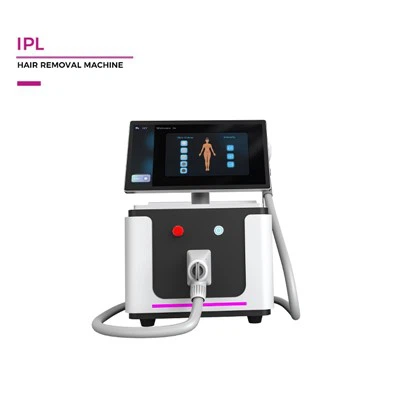
IPL Laser Machine
In addition to diode laser hair removal equipment, we also provide IPL laser machines. Here are some features of our equipment.
• Multifunctional treatment: Our IPL device can address a variety of skin problems, including hair removal, acne-induced pigmentation, skin whitening and regeneration, sun damage, and acne scars.
• Non-invasive: Our IPL system uses light energy to act on the skin surface or hair follicles, requiring no surgery, with a short recovery time and low pain.
• Interchangeable filters or handles: Our IPL machine can output specific wavelengths for treatment by changing filters or the working handle, depending on the patient's different skin conditions or treatment needs.

Intense Pulse Light (IPL) Hair Laser Removal Machine
Real-World Results & Case Studies in Newangie
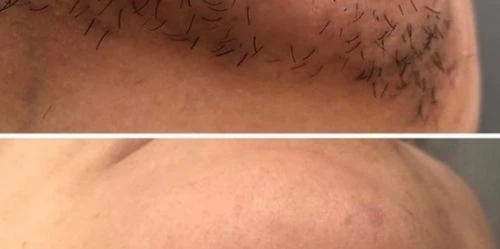
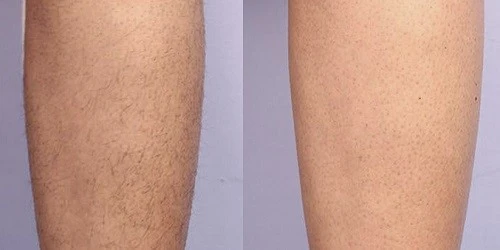
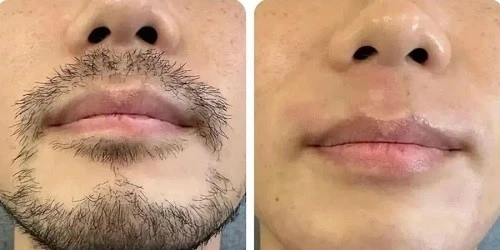
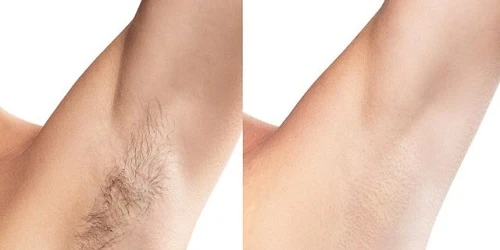
Currently, Our hair removal devices are trusted by over 16,000 clinics and salons across 100+ countries. Below are real treatment outcomes from our global clients using Diode Laser and IPL Laser Hair Removal Machines.
As you can see from the before-and-after photos of hair removal provided by our clients on the left, our diode system can penetrate deep into the target tissue and ensure long-lasting hair removal even for coarse and thick hair.

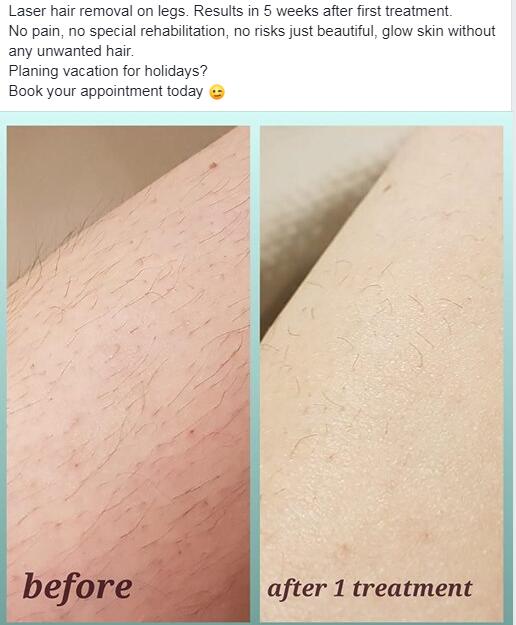
As you can see from the before-and-after comparison on the left, our IPL technology is very suitable for light to medium skin tones, effectively removing hair and brightening the overall skin tone.


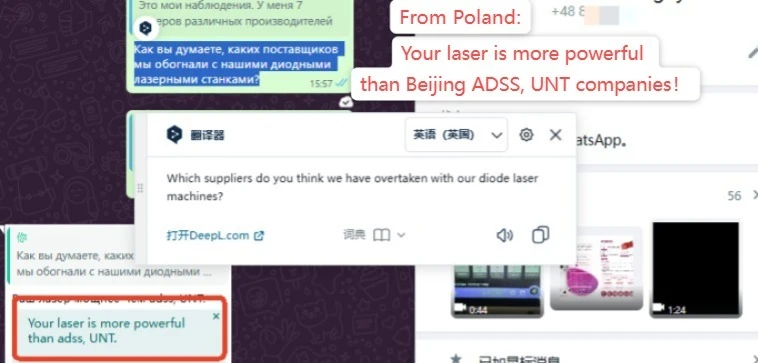
Whether it is the diode laser system for precise, efficient hair removal or the IPL device that offers both hair removal and facial skin rejuvenation, Newangie's equipment has earned consistent praise from customers. Below is some genuine feedback from clients who have used our devices.
Diode Laser Hair Removal Reviews


IPL Hair Removal Reviews


Diode vs IPL: Which Hair Removal Technology Is Best for Your Business?
Before deciding between Diode and IPL hair removal machines, start by assessing your business goals and target clients.
Ask yourself:
• Are you focusing on high-end, long-term results, or cost-effective entry services?
• How many clients do you treat per day, and how fast do you want to perform each session?

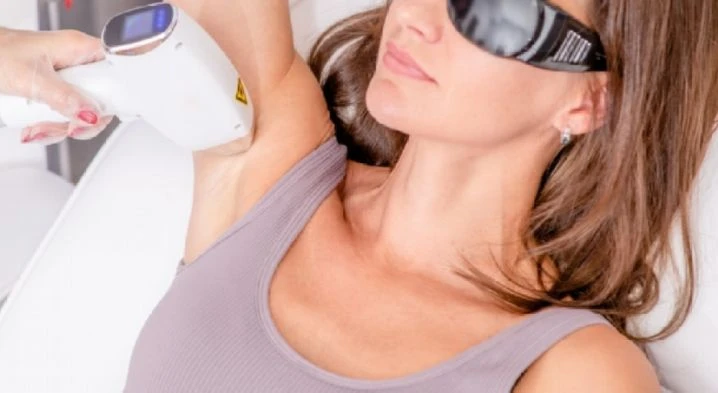
If your salon or clinic targets professional, results-driven clients and handles a large volume of treatments daily,
the Diode Laser system is likely the better investme
Key Advantages for Businesses:
• Suitable for All Skin Types – from fair to dark, expanding your client base.
• Fast Treatment Speed – more clients per day, increasing daily revenue.
• Long-Term Client Satisfaction – fewer sessions and visible results keep customers loyal.
• Lower Maintenance Costs – durable laser bars reduce long-term replacement expenses.
• Premium Brand Positioning – Diode technology signals professionalism and advanced care.
If you're running a start-up salon, have a limited budget, or want a multi-functional device that offers more than just hair removal, IPL may be the right starting point.
Key Advantages for Businesses:
• Lower Initial Investment – affordable entry-level solution.
• Versatile Functions – can perform hair removal, skin rejuvenation, pigmentation treatment, etc.
• Easier to Operate – minimal training required for basic use.
• Good for Light-Skin Clients – effective on Fitzpatrick skin types I–III.
Why Choose Newangie As Your Hair Removal Machine Manufacturer
As a professional beauty equipment manufacturer, our beauty equipment is trusted by customers worldwide, especially in the field of laser beauty equipment. We offer a variety of models of Diode Laser Machines and IPL Laser Machines, and we can provide OEM/ODM services to create a unique brand image for our clients.
One-stop OEM & ODM Services
CE, FDA, ISO, ROHS Certificated
Comprehensive Technical Guidance
One-year Warranty, Lifetime Maintenance
7-15 Days Global Delivery
Factory Direct Price
FAQs About Diode and IPL Hair Removal
Q: Is diode laser hair removal permanent?
A: Diode laser hair removal offers long-term or permanent hair reduction rather than 100% permanent removal.
Q: Can IPL be used on dark skin?
A: IPL is less suitable for dark skin tones (Fitzpatrick types IV–VI).
For clients with darker skin, the Diode laser-especially with wavelengths around 808nm or 1064nm-is a safer and more effective option.
Q: Which is safer for beginners?
A: Both Diode and IPL systems are safe when operated correctly, but IPL machines are generally easier for beginners due to their simpler settings and broader safety margins.
Q: How many sessions of laser hair removal are needed to achieve the best results?
A: Diode laser hair removal typically requires 6-8 sessions to achieve permanent hair removal, while IPL usually requires 8-12 sessions.
Conclusion
Both Diode and IPL hair removal machines offer effective, professional-grade solutions for salons and clinics. However, if you aim for long-term, high-efficiency treatments suitable for all skin types, the Diode Laser system delivers better precision, faster sessions, and longer-lasting results. For businesses seeking a multifunctional and budget-friendly entry device, IPL systems remain a solid choice.
At Newangie, we manufacture both technologies, providing OEM/ODM customization to meet your brand and operational needs.
Ready to upgrade your salon or clinic?
Contact us today to get a free quote or schedule a virtual product demo.
「Explore Professional Diode Laser Hair Removal Machines」
「Continue comparing different technologies:Diode Laser vs Alexandrite Laser」
Related Resources Before You Buy
Before making a final purchasing decision, we recommend reviewing the following resources:
《What Is The Difference Of IPL, SHR And OPT?》