
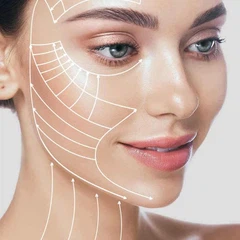



How can you achieve smooth, clear skin? How can you make your skin look better? Many people who pursue beauty and natural beauty are concerned about these questions and are constantly seeking effective and safe solutions, so the popularity of IPL therapy is not surprising. In the medical and aesthetic fields, IPL Photorejuvenation is one of the most popular non-invasive treatments.
In this guide, we will comprehensively discuss the principles and functions of IPL therapy, its differences from traditional laser therapy, pre- and post-treatment care for optimal results, and important factors to consider, helping you make an informed choice when considering this treatment.
What is Intense Pulsed Light Therapy?
Intense Pulsed Light is a cosmetic treatment that uses broad-spectrum light to improve skin tone, remove hair, and treat vascular diseases. Unlike lasers that emit a single wavelength, Intense Pulsed Light can simultaneously emit different wavelengths of light to act on the skin, thereby treating various skin conditions, such as sunspots, freckles, age spots, broken capillaries, rosacea, and unwanted hair.
Intense Pulsed Light is often referred to as "photorejuvenation," a non-invasive treatment that can improve skin texture and tone. Due to its wide applicability, safety, high efficacy, and good treatment results, it has attracted considerable attention from beauty institutions and professionals in the medical aesthetics market.
How does IPL achieve Photorejuvenation?
IPL Photorejuvenation uses broad-spectrum light to penetrate the skin and is absorbed by melanin and hemoglobin in blood vessels. This light energy is converted into heat energy, causing controlled damage to target cells, thereby stimulating the body's own healing process. This process then clears away the damaged cells, resulting in clearer skin and promoting the production of collagen and elastin.

In more detail, IPL Photorejuvenation works based on the theory of selective photothermolysis:
Targeted Absorption:
The broad-spectrum light energy emitted by Intense Pulsed Light is absorbed by specific tissues in the skin:
- Melanin: After absorbing light energy, it decomposes due to heat, thereby improving pigmentation.
- Hemoglobin (found in blood vessels): After absorbing light energy, it coagulates, improving redness.
- Water Molecules: Absorb light energy and generate a thermal effect, stimulating collagen regeneration.
Energy Conversion:
After being absorbed by the target tissue, light energy is converted into heat energy, precisely destroying the target tissue without damaging the surrounding normal skin.
Skin Repair:
It activates the skin's self-repair mechanism, producing new collagen and elastin fibers, thus improving skin texture.
Why is IPL photorejuvenation considered the "gold standard" for skin repair?
The effects of IPL photorejuvenation go far beyond simple heat absorption; it triggers a biological process known as "neocollagenesis." As broad-spectrum light penetrates the dermis, it generates controlled thermal stimulation. This stimulus mimics a mild injury response, prompting skin fibroblasts to accelerate the synthesis of high-quality collagen.
This dual action is what makes IPL photorejuvenation unique: it simultaneously targets visible pigmentation issues-such as sunspots or redness-and remodels the skin's structural foundation from within. The ultimate result is not merely a temporary brightening of the complexion, but a genuine regeneration and restoration of the skin's structural integrity.
Can I use IPL for hair removal?
Yes, you can remove unwanted facial and body hair with Intense Pulsed Light treatment, a popular long-term hair removal method. The IPL laser is precisely absorbed by the melanin in the hair follicle, converting it into heat energy that damages the follicle and puts it into a dormant phase, thus preventing further hair growth. The treated hair will fall out naturally, and even if new hair grows back, it will be finer and softer.
It's important to note that there is currently no scientifically proven method for permanent hair removal. IPL lasers can only permanently reduce hair and slow down hair growth, but its effects are long-lasting, typically lasting for several weeks or months, after which maintenance treatments are required.
IPL is most effective for hair removal on dark hair and light skin because melanin needs to absorb light energy to work, while also avoiding heat damage to other areas. It may not be as effective on light-colored or fine hair.
Besides hair removal, what else can IPL laser treatment do?
Intense Pulsed Light is hailed as an "all-around" skin treatment device, utilizing broad-spectrum light to address various skin problems.
Pigmentation:
Intense Pulsed Light effectively removes freckles, sunspots, age spots, melasma, acne scars, and treats sun damage by breaking down melanin granules in the body and promoting their metabolic excretion.
Redness and Vascular Diseases:
By coagulating hemoglobin and sealing abnormal blood vessels, it effectively and safely treats rosacea, ruptured capillaries, spider angiomas, and telangiectasia.
Improving Skin Texture and Tone:
The regeneration of collagen and elastin fibers improves skin firmness and elasticity. If you have enlarged pores, rough skin, fine lines, uneven skin texture, or other skin problems, IPL laser treatment can help improve these issues.
Anti-aging:
The heat generated by light energy stimulates fibroblasts to produce new collagen, initiating repair mechanisms and restoring skin firmness and elasticity. Therefore, it can remove fine lines and wrinkles, improve dull skin tone and enlarged pores, making your complexion brighter, clearer, and revealing smoother, firmer, and younger-looking skin.
From Hair Removal to Comprehensive Skin Rejuvenation
While many people initially turn to IPL (Intense Pulsed Light) for hair removal, the true strength of professional-grade equipment lies in its versatility-specifically, its capability for IPL skin rejuvenation. Modern medical aesthetic clinics utilize various cut-off filters to adjust the light's therapeutic focus.
For instance, a 640nm filter primarily targets deep-seated hair follicles, whereas switching to a 530nm or 590nm filter allows the device to perform skin rejuvenation. This enables practitioners to treat issues associated with "photoaging." By addressing multiple skin concerns within a single session, IPL rejuvenation not only achieves optimal hair removal results but also leaves the skin firmer and more radiant.
Note: Photoaging refers to a complex set of skin issues-such as rough texture, dullness, and pigmentation-caused by ultraviolet (UV) exposure.
How to Choose Professional IPL Skin Rejuvenation Equipment?
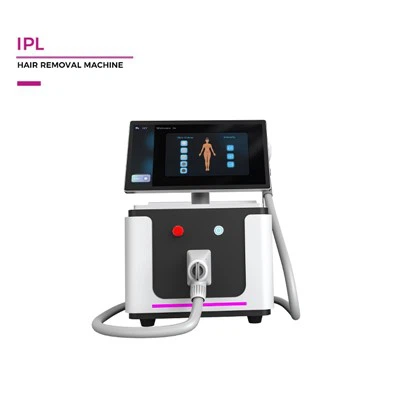
For clinics, beauty salons, medical spas, and distributors of aesthetic equipment, multifunctional IPL platforms offer greater value than single-function hair removal devices. Featuring interchangeable filters, adjustable treatment parameters, and intelligent cooling systems, professional IPL facial rejuvenation equipment can simultaneously meet the needs for both hair removal and skin rejuvenation treatments.
Newangie's professional IPL equipment is designed for a wide range of aesthetic applications, including hair removal, pigmentation treatment, acne therapy, vascular treatment, and skin rejuvenation.
Since the conversion of light energy into heat during skin rejuvenation or hair removal can potentially cause epidermal burns, Newangie has developed IPL systems equipped with intelligent contact cooling technology. This system continuously lowers the temperature of the epidermis, effectively protecting the skin from thermal damage while ensuring a comfortable and safe treatment experience for your patients.
Please contact us to learn more about technical specifications, OEM customization services, free training support, and wholesale options.

How Soon Will You See the Results of IPL Photorejuvenation?
One of the most common questions asked by clinic operators and patients alike is: "How long does skin rejuvenation take?" Because IPL photorejuvenation relies on the body's natural healing response, results appear gradually rather than being achieved in a single session.
Days 1–3
Within just a few days of your first treatment, you will notice your skin looking "brighter." As initial redness and swelling subside, the skin appears refreshed, with a reduction in dullness.
Days 7–10
For sunspots and freckles, the rejuvenating effects become apparent after about a week. Once the darkened pigment sloughs off, your complexion will look more even-toned and luminous.
4–12 Weeks
This is the phase where IPL photorejuvenation delivers its most significant benefits. The production of new collagen takes time; typically, within one to three months of completing several sessions, you will see the most noticeable improvements in skin texture, elasticity, and the appearance of fine lines.
Optimal Results: While a single treatment can yield improvements, the best results from IPL photorejuvenation usually peak about two months after completing the full course of treatment (typically 3–5 sessions). During this period, the skin has ample time to build a denser matrix of new collagen, resulting in a lasting, firm, and youthful appearance.
IPL vs. Traditional Laser Therapy
Intense Pulsed Light (IPL) uses a broad spectrum of multi-wavelength light to effectively improve various superficial skin problems (such as sunspots and redness) and remove hair. It typically requires more treatment sessions but can quickly cover large areas.
Traditional lasers use a single focused wavelength for precise treatment, usually requiring fewer treatment sessions and offering better results, but are more expensive and may cause more discomfort. However, they are more suitable for deep pigmentation and specific skin problems.
| Comparison Dimensions | IPL (Intense Pulsed Light) | Traditional laser |
|---|---|---|
| Light source properties | Broadband incoherent light, multi-wavelength |
Monochromatic coherent light, single wavelength |
| Scope of application |
It has a wide range and can handle multiple problems simultaneously. |
Precision, in-depth treatment targeting specific problems |
| Treatment depth | Mainly in the epidermis and superficial dermis | The depth can be adjusted as needed. |
| Recovery time |
Shorter (1-3 days), "Lunchtime Beauty Treatment" |
Relatively long (depending on the type of laser) |
| Treatment experience | Mild stinging, usually no anesthesia required. |
The pain is quite intense and often requires topical anesthesia. |
| Typical applications |
Comprehensive skin rejuvenation, redness reduction, freckle removal, and hair removal |
Remove specific blemishes, scars, tattoos, and deep wrinkles |
How to prepare for IPL treatment?
2-4 Weeks Before Treatment:
Strict Sun Protection: Avoid sun exposure. Use SPF 30+ sunscreen to prevent sunburn and melanin activation. IPL targets pigmentation, so tanned skin may interfere with treatment or cause burns.
Do not do the following:
- Stop using retinoids, glycolic acid, salicylic acid, strong exfoliating products, and vitamin C products at least 1 week in advance.
- Stop sunbathing and tanning salons at least 4 weeks in advance.
- Do not undergo other laser or chemical peeling treatments while preparing for IPL treatment.
Inform your doctor in advance:
- All medications you are currently using (especially photosensitizing medications), and discontinue anti-inflammatory drugs (aspirin, ibuprofen) as prescribed.
- Whether you have the history of herpes
- Whether you are pregnant or planning to become pregnant
The day before treatment:
- Ensure the treatment area is clean and tidy, with no makeup, cream, or other residue on your face, as this can affect the treatment results.
- If you are considering IPL hair removal, you can shave the hair in the treatment area beforehand to allow the energy to target the hair follicles more precisely and reduce the risk of burns to the skin.
- Aim for sufficient sleep and be in your best condition for the treatment the next day.
- Use only gentle cleansers and moisturizers; avoid using perfumes or essential oils.
What precautions should be taken during treatment?
Protect your eyes:
If the treatment is applied to the area around the eyes, please stop wearing contact lenses. If necessary, please wear professional protective goggles.
Communicate promptly:
Inform your doctor about your pain levels so they can adjust the energy parameters for a more comfortable and efficient treatment experience.
You may experience the following normal reactions during treatment:
- Feeling a sharp, rubber band-like stinging sensation.
- Smelling a slight burning hair odor during hair removal.
- Skin redness and heat, similar to a mild sunburn, but this will subside quickly.
What should I do after treatment to maintain the best treatment results?
Post-operative 24-48 hours (critical period):
- Cool compresses for soothing: Apply medical cooling patches, aloe vera, or ice packs (wrapped in a towel).
- Gentle cleansing: Gently wash face with only cool or lukewarm water.
- Intensive moisturizing: Use a gentle, non-irritating medical repair cream.
- Absolute sun protection: Daily use of SPF 30+ sunscreen is crucial, including indoors.
- Avoid makeup: Avoid makeup for at least 24 hours.
- Loose clothing: Wear soft, breathable fabrics to prevent chafing.
Within one week post-treatment:
- Avoid high temperatures and sweating: Avoid washing your face with hot water, saunas, and strenuous exercise.
- Do not scratch: Do not scratch or peel off small scabs on the treated area.
- Gentle skincare: Continue using simple, soothing products until the skin is completely healed.
- Avoid using irritating products: Avoid using retinol, glycolic acid, salicylic acid, and exfoliating products for 1-2 weeks after treatment.
- Maintain long-term maintenance: Follow the maintenance treatment schedule prescribed by your doctor based on your individual skin condition to repair new sun damage and prolong the effects of the treatment.
Is IPL treatment suitable for everyone?
No, not everyone is a suitable candidate for Intense Pulsed Light treatment.
Suitable for:
People with light to medium skin tones (Fitzpatrick I-III)
People with sunburned, freckled, or discolored skin.
People who want to remove freckles, fine lines, improve enlarged pores, or have rosacea.
People who can patiently wait for the best results to appear.
Absolute contraindications:
- Patients with photosensitivity disorders
- Active infection or skin cancer in the treatment area
- Recent use of isotretinoin, photosensitizing drugs, or oral retinoids
- Pregnant or breastfeeding women
Relatively cautious/limited effectiveness:
- People with tanned skin or naturally dark skin (Fitzpatrick IV-VI).
- Those who have recently tanned or plan to sunbathe.
- Those with unrealistic expectations of results.
- Those with active skin infections, severe acne, open wounds, or a history of keloid scarring.
Are there any side effects or risks associated with IPL?
In most cases, Intense Pulsed Light (IPL) therapy is safe, but side effects may occur. These may include mild redness and heat at the treatment site, mild tingling and numbness, and mild scabbing or peeling during the healing process. However, these are normal post-treatment reactions and are usually temporary.
Improper operation can also cause side effects. For example, skin may darken (hyperpigmentation) or lighten (hypopigmentation), which is more common in people with darker skin tones. Excessive energy can cause burns, blisters, or scabs, and may lead to scarring. It may also cause abnormal hair growth at the treatment site.
Therefore, a thorough skin assessment is essential before treatment. Professional consultation can ensure that IPL therapy is suitable for your skin type and concerns. Choosing a qualified operator with experience in phototherapy can minimize risks. You also need to strictly follow the pre- and post-treatment care instructions mentioned earlier to optimize treatment results.
How many IPL sessions are needed for optimal results?
To achieve the best IPL results, you typically need 3-6 sessions, spaced approximately 3-6 weeks apart, to allow the skin to heal and consolidate the effects of previous treatments. The specific intervals vary depending on the skin problem (fewer sessions for minor issues, more for severe ones), skin type, and treatment goals. You will see some improvement initially, but optimal results are only achieved by completing the entire course, followed by maintenance sessions.
Why multiple sessions?
- Progressive: Each session targets a different depth and type of pigmentation/vascularity, building upon the previous session.
- Promotes skin recovery: The intervals allow skin cells sufficient time to renew and fully heal, making subsequent treatments more effective.
Factors affecting treatment duration:
- Individual differences: Skin type, severity of skin problems, and age all affect treatment outcomes.
- Equipment differences: Different brands and models of IPL equipment have varying effects.
- Operating technique: The doctor's experience is crucial.
- Post-operative care: Strict post-operative care is key to maintaining the results.
IPL (Intense Pulsed Light) skin rejuvenation is a classic procedure in the field of cosmetic dermatology, boasting mature technology and high safety. With a scientific understanding and reasonable expectations, you can safely and effectively utilize this technology to address your skin concerns. However, it is essential to consult with a professional who can assess your suitability for IPL treatment and provide guidance and assistance throughout the process.
Related Resources Before You Buy
Before making a final purchasing decision, we recommend reviewing the following resources:《IPL Laser vs Diode Laser》《What Is The Difference Of IPL, SHR And OPT?》《Professional IPL Hair Removal Series》《Ipl Machine Facial Rejuvenation Professional》