



Laser hair removal for intimate areas has become a highly popular aesthetic procedure in recent years, yet many people hesitate due to concerns about pain and safety. This article provides a comprehensive breakdown of the entire process-covering the reality of the pain involved, safety assessments, the procedure itself, and post-treatment care-to help you make an informed decision about whether it is right for you.
Is laser hair removal vulva painful?
Laser hair removal vulva is indeed somewhat more painful than on other parts of the body. Most clients describe the sensation as similar to a rubber band snapping against the skin, accompanied by a brief feeling of warmth. Most people find the discomfort tolerable; furthermore, the treatment area is small, so the procedure usually takes only a few minutes to complete.
If you are particularly sensitive to pain, you can opt for a topical anesthetic cream or local anesthesia, depending on your personal pain tolerance.
Read More
👉 Is laser hair removal painful?
Why laser hair removal vulva painful?
Laser hair removal in intimate areas is painful because the skin there is thinner and has a higher density of nerve endings compared to other areas. Additionally, the hair follicles tend to be coarser and contain higher levels of melanin, causing the laser to generate a more intense thermal impact at the follicle level.
Furthermore, hormonal fluctuations-especially during the menstrual cycle-can increase the body's sensitivity to pain. Therefore, it is strongly recommended that women avoid scheduling intimate laser hair removal during this time.
How does the pain of laser hair removal vulva compare to other methods?
Among common hair removal methods for intimate areas, laser hair removal causes significantly less pain than waxing, though slightly more than shaving or using depilatory creams.
Shaving and depilatory creams: Least painful
Whether shaving with a razor or dissolving hair with a cream, the process is virtually painless-or involves only a very slight sensation-when done correctly. However, the results are temporary, and there are risks such as nicks, cuts, or allergic reactions.
Laser hair removal: Moderate pain
Most clients describe the sensation of laser hair removal in intimate areas as a sharp, momentary sting-like a rubber band snapping against the skin-or a "prickly, hot sensation." While there is some discomfort, most people find it tolerable, especially since modern laser devices are equipped with advanced cooling systems. Many devices cool the skin surface while delivering energy, significantly reducing the burning sensation; the actual pain is often milder than anticipated.
Waxing: Most painful
Waxing pulls hair out by the root, causing a sharp, intense stinging sensation on the sensitive skin of intimate areas. Those who have tried it agree that the momentary pain of waxing is far more intense than that of laser treatment, and it also carries a higher risk of developing folliculitis.
How safe is laser hair removal for the private area, and what are the risks?
Laser hair removal for the intimate area is safe, but it is a medical procedure-not a service that should be performed casually at just any beauty salon.
Common post-treatment reactions include:
Erythema (redness) and edema (swelling)
Localized redness and mild swelling around the hair follicles immediately after treatment are normal reactions to the laser's thermal effect; these typically resolve on their own within 48 hours.
Hyperpigmentation or hypopigmentation (skin discoloration)
The risk is slightly higher for individuals with darker skin tones. Most cases are temporary and fade over time, though inadequate sun protection can worsen the condition.
Blisters or scabbing
These may occur if energy settings are too high or the procedure is performed incorrectly; choosing a reputable clinic and an experienced practitioner can effectively prevent this.
Not suitable for laser hair removal vulva
It is also important to note that the following conditions are contraindications, meaning laser hair removal in the intimate area is not suitable:
- Women who are menstruating, pregnant, or breastfeeding
- Individuals with eczema, pustules, infections, or open wounds in the intimate area
- Individuals with photosensitive skin or those currently taking photosensitizing medications
- Individuals with a history of keloids or hypertrophic scarring
What does the complete process for laser hair removal vulva entail?
A standard procedure for intimate area laser hair removal generally consists of three steps:
Pre-treatment preparation
Before the procedure, the hair in the intimate area must be shaved, and the area cleansed. If you have been using methods like waxing or depilatory creams, you must stop doing so 2–4 weeks in advance, as these methods can interfere with the laser's ability to target the hair follicles. Immediately prior to the actual treatment, the technician will shave off any remaining surface hair using a specialized razor. Additionally, women should avoid scheduling the procedure during menstruation.
Gel application and laser treatment
A layer of cooling gel (1–3 mm thick) is applied to protect the skin and facilitate light transmission; protective eyewear is worn, and a laser with a specific wavelength is used to treat the area.
Post-treatment care
After the procedure, apply a cold compress for 10–15 minutes to alleviate any burning sensation. On the day of treatment, avoid getting the area wet, using saunas, or engaging in strenuous exercise; wear loose-fitting cotton underwear to minimize friction. Within the first week following treatment, you may apply restorative products-such as aloe vera gel-under the guidance of a medical professional.
Related Resources About Hair Removal:
👉【Rules For Laser Hair Removal: A Complete Guide From Preparation To Aftercare】
👉【Do You Have To Shave Before Laser Hair Removal?】
👉【How Long For Hair To Fall Out After Laser Hair Removal Treatment?】
👉【The Truth Behind Laser Hair Removal And Sun Exposure】
👉【What To Expect After First Laser Hair Removal】
What specific precautions should be taken after laser hair removal for the intimate area?
Post-treatment care for intimate area hair removal requires more attention than for other body parts:
Strict sun protection
Although the intimate area is usually covered by clothing, you must apply sun protection if wearing a bikini or sunbathing; otherwise, UV exposure increases the risk of pigmentation.
Avoid irritation
For the first few days after the procedure, avoid using chemical cleansers (such as body wash) directly on the treated area; simply rinse gently with warm water.
Do not remove new hair growth yourself
If new hair grows back between sessions, do not pluck it with tweezers or use wax, as this can compromise the effectiveness of the next treatment.
Recommended Professional Laser Hair Removal Equipment for Intimate Areas
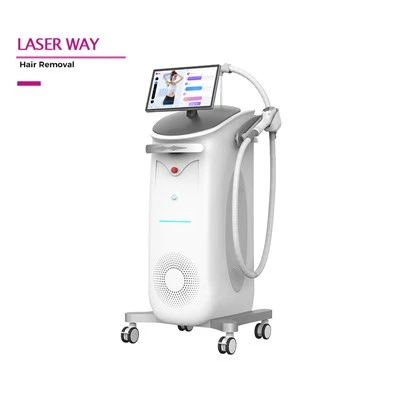
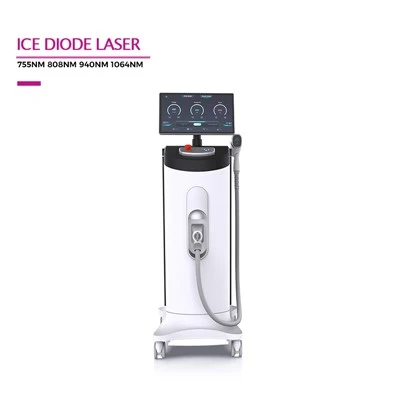
Skin in intimate areas is particularly sensitive, requiring high standards of safety, precision, and comfort for hair removal; therefore, selecting professional-grade equipment is crucial. Newangie's diode laser hair removal device (Model BM054) holds US FDA 510(k) clearance and is safe for use on all skin types and body areas.
It integrates four-wavelength technology (755nm, 808nm, 940nm, and 1064nm) to precisely target hair follicles at varying depths and thicknesses-making it especially effective for the coarser hair often found in intimate areas. Additionally, it features an industrial-grade integrated cooling system (capable of reaching temperatures as low as -25°C) to effectively alleviate the burning and stinging sensations often associated with treating sensitive zones.
The device also offers multiple spot-size applicators to accommodate both large treatment areas and delicate, precise zones, making it a reliable choice for safe and comfortable hair removal in intimate areas.

FAQs About Laser Hair Removal Vulva
How many sessions are required?
Typically, 6 to 8 sessions are needed, spaced 4 to 6 weeks apart. Since laser treatment is effective only on hair follicles in the active growth phase-and hair grows in cycles-multiple sessions are necessary to cover all follicles. The full course of treatment takes approximately 6 to 9 months to complete.
What are the risks and side effects?
Common post-treatment reactions include temporary redness and swelling, which usually subside within 48 hours. Potential risks include hyperpigmentation or hypopigmentation (with a slightly higher risk for individuals with darker skin tones), as well as blistering or scabbing caused by excessive energy levels. These risks can be effectively minimized by choosing a reputable clinic and an experienced practitioner.
What precautions should be taken before and after the procedure?
Before treatment: Shave the surface hair 3 to 7 days prior; avoid sun exposure; and do not use wax or pluck the hair.
After treatment: Apply an ice pack for 10–15 minutes to alleviate any burning sensation; avoid contact with water and high-temperature activities (such as saunas) on the day of treatment; wear loose-fitting cotton underwear to minimize friction; and protect the area from the sun to prevent pigmentation changes.

While there is indeed some pain associated with laser hair removal in the intimate area, it can be kept within a tolerable range when performed by professionals at a reputable clinic using appropriate anesthesia and cooling techniques.
If you are considering this procedure, we recommend an initial consultation to discuss your physical condition and any concerns regarding pain with the practitioner.
If you experience redness or discomfort after the procedure, please refer to our post-treatment guide: "What to expect after first laser hair removal?"
For more information on sun protection after the procedure, please read: "The Truth Behind Laser Hair Removal And Sun Exposure"
*The image shows a real-life case of intimate area hair removal using Newangie laser hair removal equipment.
Related Reading
《Is Laser Hair Removal Painful? 》
《How Long After Laser Does Hair Fall Out》
《Laser Hair Removal And Sun Exposure》
《What To Expect After First Laser Hair Removal?》
《Diode Laser Hair Removal Series》
《Underarm Laser Hair Removal: Benefits, Cost, Results & What to Expect》
《Best Facial Hair Removal For Women: Why Laser Is The Gold Standard?》
《Why More Men Are Choosing Legs Laser Hair Removal?》