



Is laser hair removal painful? This is one of the most common questions people ask before booking their first treatment. While some worry that laser hair removal will be extremely painful, others wonder whether the discomfort is even noticeable.
The truth is that is laser hair removal painful doesn't have a simple yes-or-no answer. Pain levels depend on the treatment area, hair thickness, skin type, laser technology, and individual pain tolerance.
In this guide, we'll explain is laser hair removal painful, compare pain levels across different body areas, discuss what affects discomfort, and share practical tips to make your treatment much more comfortable.
Is Laser Hair Removal Painful? Here's the Honest Answer
To put it bluntly, laser hair removal is not entirely sensation-free, but the discomfort is usually described as a "tolerable, momentary sting." Most people who ask is laser hair removal painful are surprised to learn that the sensation usually lasts only a fraction of a second.
People often ask "do laser hair removal hurt?" the most common answer is that it feels like the sharp, momentary snap of a rubber band against the skin, accompanied by a mild burning sensation. Most people describe the feeling as somewhere between a slight sting and a sensation of warmth.
If you experience a sensation of soreness or tenderness during the procedure, it is usually because the heat generated by the laser is penetrating deep into the hair follicles. In fact, the sensation depends on the process of energy converting into heat; that feeling of a tiny "burst" is actually a sign that the hair follicle is being effectively destroyed.

How Painful Is Laser Hair Removal on Different Body Areas? (Levels 0–10)
One of the best ways to understand is laser hair removal painful is to compare different treatment areas.
| Area | Pain Level | Sensation Description |
| Arms/Legs | Level 2–3 | Mild stinging; like tiny needle pricks |
| Underarms | Level 4–5 |
Distinct sensation of being snapped by a rubber band; accompanied by a feeling of heat |
| Face/Perioral Area | Level 5–6 | Relatively sensitive; distinct, momentary hot stinging sensation |
| Intimate Area (Vulva) | Level 7–8 | Rich in nerve endings; pain is most intense |
Why Is Laser Hair Removal Painful?
Understanding why laser hair removal is painful helps explain why the discomfort is temporary and why it varies between individuals. After the laser penetrates the skin, light energy converts into heat, causing the temperature of the hair follicles to rise sharply. When the energy is sufficient to destroy the follicle, the surrounding nerve endings are stimulated by the heat, generating pain signals. Simply put, the sensation of pain is direct evidence that the laser is working.
However, it is important to note that the level of pain is not directly proportional to the effectiveness of the treatment. Greater pain does not mean better results, nor does a lack of pain imply ineffectiveness; the key factor is whether the energy is precisely targeting the hair follicles.
Who Finds Laser Hair Removal More Painful?
Although many people ask is laser hair removal painful, not everyone experiences the same level of discomfort. Not everyone's experience of pain is the same; two key factors play a decisive role:
Pain varies by skin tone
The relationship between skin tone and pain is mediated by melanin. People with darker skin tones have higher levels of melanin in the epidermis; as laser energy penetrates the skin, a portion is absorbed by the epidermis, generating more heat and potentially causing a more intense sensation of pain. This is why individuals with darker skin tones require lasers with longer wavelengths (such as Nd:YAG 1064nm) to minimize thermal damage to the epidermis.
Pain varies by body area
The density of nerve endings determines the level of pain experienced during laser hair removal. Skin on the limbs is thicker, resulting in less pain, whereas areas with thin skin and dense hair growth (such as the underarms) are more sensitive.
The intimate area is widely considered the most painful spot to treat. This is because the skin there is thinner, nerve endings are more densely concentrated, and hair follicles are typically coarser and deeper.
If you are considering laser hair removal for the intimate area, we recommend first familiarizing yourself with the safety and procedural details by reading our dedicated article: "What's the real feeling of laser hair removal vulva?"
What other factors influence the sensation of pain?
If you've been wondering is laser hair removal painful, these factors usually make the biggest difference.
Energy settings
Higher energy levels result in stronger thermal effects and more pronounced pain. A professional practitioner will strike a balance between efficacy and comfort based on your skin tone, as well as your hair color and thickness.
Duration of laser exposure on the skin
Repeatedly treating the same area or overlapping pulses causes heat accumulation, leading to intense pain. However, skilled practitioners avoid this.
Menstrual cycle
Pain sensitivity increases significantly in the week leading up to and during menstruation. It is advisable to avoid scheduling treatments within 2–3 days of your period for a more comfortable experience.
Pre-treatment hair removal methods
Laser treatment targets the melanin within hair follicles. If you have used wax or plucked the hair beforehand, the follicles lack the necessary melanin target; this not only yields poor results but also causes the laser to burn the skin instead, resulting in unnecessary, intense pain and ineffective treatment. Therefore, it is best to stop plucking or waxing for 4–6 weeks prior to the procedure.
The Evolution of non-painful Laser Hair Removal Technology
With technological advancements, "laser hair removal painless" is no longer merely a marketing gimmick. Modern painless technology primarily relies on cooling mechanisms to alleviate the burning sensation caused by excessive heat.
Professional modern equipment achieves painless laser hair removal through the following methods:
Dynamic Cooling (DCD)
A coolant is sprayed in milliseconds before the laser fires, instantly lowering the temperature of the epidermis.
Contact Cooling (TEC)
A semiconductor cooling element is built into the treatment head, maintaining contact with the skin throughout the procedure to provide cooling.
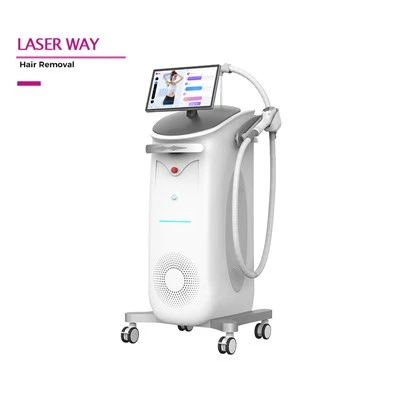
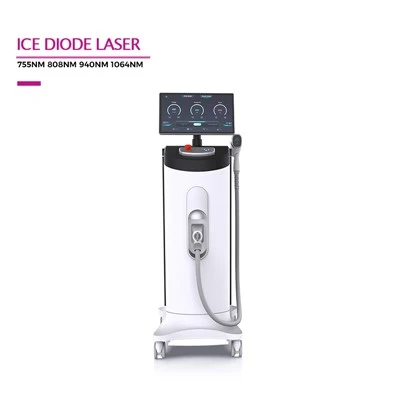
Note: Newangie's AI-powered laser hair removal equipment features a TEC cooling system. When combined with water and air cooling systems, it can rapidly lower the temperature to -25°C, significantly mitigating the burning sensation caused by laser energy and ensuring a comfortable treatment experience for the patient.
Vacuum-Assisted Technology
Negative pressure draws the skin into the treatment head; this stretches the skin and straightens the hair follicles for greater laser precision, while the mechanical stimulation helps distract from the sensation of pain.
Sliding Technique
This method moves away from the traditional "stamp" (single-shot) mode. By rapidly sliding the device and delivering multiple passes at lower energy levels, heat builds up gradually, greatly reducing the sharp, instantaneous pain often associated with the procedure.
At-home hair removal: Is "painless hair reduction" really achievable?
Many people asking is laser hair removal painful also wonder whether home IPL devices are more comfortable. For those who are extremely sensitive to pain, painless hair reduction is an appealing option. Home IPL devices operate at lower energy levels, making truly painless hair removal at home possible. While they may not deliver the permanent results of professional clinic treatments, they are highly effective at maintaining smooth skin and reducing hair density.
*If you are seeking results in the true sense of the word, medical-grade lasers remain an irreplaceable choice.
How can pain be minimized?
Before the procedure
Avoid scheduling during your menstrual period or the 2–3 days immediately before or after.
Stop waxing or plucking 4–6 weeks in advance.
Avoid excessive sun exposure for 24 hours prior to treatment.
Topical anesthetic cream may be applied beforehand (follow medical advice).
During the procedure
Communicate your sensations to the technician so they can adjust energy settings based on your specific needs.
Ensure the device's cooling system is functioning correctly.
Individuals with darker skin tones should confirm that the 1064nm Nd:YAG wavelength is being used.

After the procedure
If you're concerned about is laser hair removal painful, these simple steps can significantly reduce discomfort.
Apply an ice pack immediately for 10–15 minutes.
Keep the skin moisturized and use reparative products.
Avoid high-temperature activities such as hot showers, saunas, and hot springs.
Strict sun protection is crucial; for details, please read: "The Truth Behind Laser Hair Removal and Sun Exposure."
Improper aftercare may lead to redness and swelling; for details, please refer to: "What To Expect After First Laser Hair Removal?"
Want to know when hair starts to fall out? Please read: "How Long After Laser Does Hair Fall Out"
Common Misconceptions About Laser Hair Removal
Myth 1: "If it doesn't hurt, it isn't working."
Modern painless technologies and low-energy protocols can deliver highly effective hair removal results. In reality, efficacy depends on whether the energy is precisely targeted at the hair follicles, not on the intensity of the pain.
Myth 2: "The more it hurts, the better the results."
Excessive pain often signals that energy levels are too high or cooling is inadequate, actually increasing the risk of burns. Modern devices can effectively destroy hair follicles without causing pain.
Myth 3: "At-home hair removal devices are just as effective as medical-grade lasers."
There is a vast difference in energy density between the two, leading to different results.
Myth 4: "Permanent hair removal can be achieved in a single session."
Lasers are effective only on hair follicles in the growth phase; since hair grows in cycles, a series of 6–8 sessions is typically required to achieve optimal results.
FAQ
Q: Is laser hair removal painful on the bikini area?
A: The intimate areas and the upper lip are usually the most painful; please refer to the pain scale chart for details.
Q: Can an anesthetic be used?
A: Yes. Applying a topical anesthetic cream is common practice; it needs to be applied 1–2 hours in advance-please follow your practitioner's specific instructions.
Q: Is laser hair removal painful the first time?
A: The first session often feels slightly more uncomfortable because there is more hair to absorb laser energy. As hair becomes thinner after each treatment, most people find later sessions much easier.
Q: Is laser hair removal painful compared with waxing?
A: Most patients report that laser hair removal is less painful than waxing because the discomfort lasts only a fraction of a second and modern cooling systems greatly improve comfort.
Q: How long does it take for the pain to disappear completely after the procedure?
A: For most people, the burning sensation subsides within a few hours; for those with sensitive skin, it may persist for 1–2 days. Applying ice packs and moisturizer can help accelerate relief.
Conclusion
So, is laser hair removal painful? For most people, the answer is only mildly. The sensation is usually brief, tolerable, and far less uncomfortable than many expect.
Thanks to modern cooling technology, improved laser systems, and experienced practitioners, laser hair removal is much less painful than it was years ago. By choosing the right equipment, preparing your skin properly, and following aftercare instructions, you can significantly reduce discomfort while achieving long-term hair reduction.