




Introduction
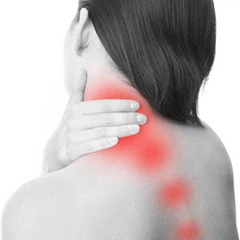
Shockwave therapy machines are widely used in pain management and soft tissue rehabilitation, but their safety and therapeutic efficacy highly depend on correct operation and standardized procedures. Inappropriate parameter settings or incorrect usage methods can not only affect the treatment outcome but also pose potential risks. This article aims to help clinics, rehabilitation centers, and professional therapists properly use the equipment and maximize the value of shockwave therapy machines.
What Is a Shockwave Therapy Machine?
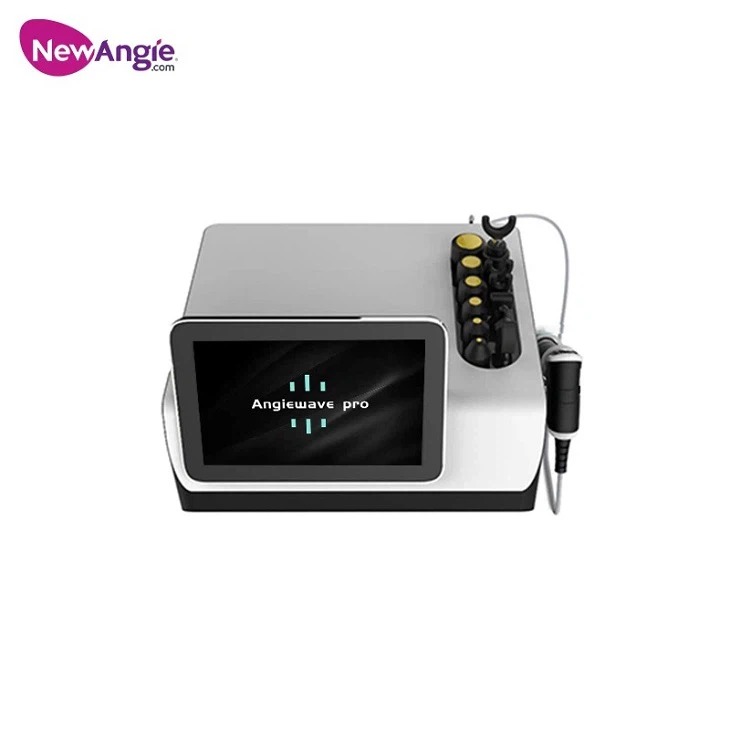
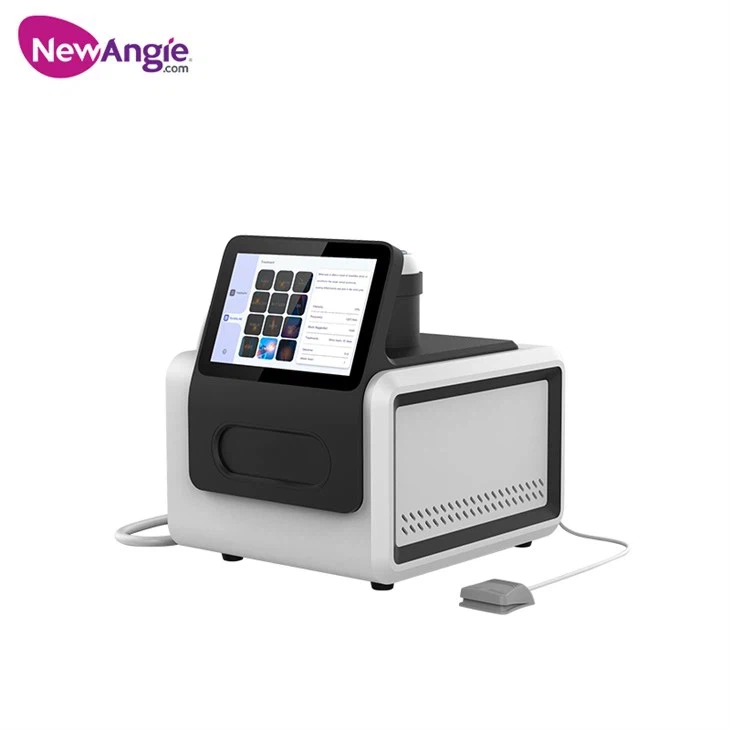
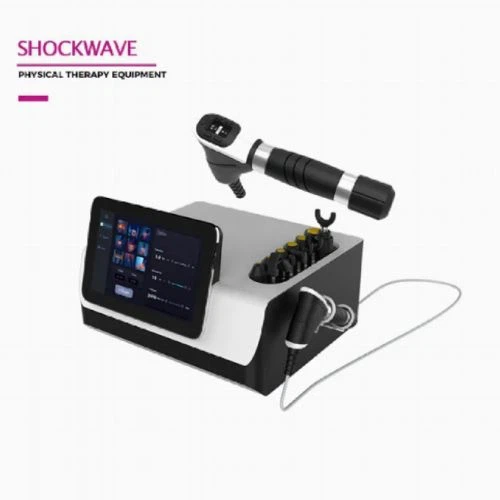
The shockwave therapy device generates pulsed sound waves through program-controlled compressed air, converting them into high-precision shockwaves. These shockwaves are then applied to the human body using the device's unique frequency, through the positioning and movement of the treatment probe.
Functions of a Shockwave Therapy Machine
• Pain relief: Relieves chronic or persistent pain by stimulating nerve endings and improving local circulation.
• Tissue regeneration: Activates the body's self-repair mechanisms, promoting neovascularization and repair of damaged tissue.
• Microcirculation improvement: Promotes local blood flow, improving tissue metabolism and nutrient supply.
• Muscle spasm relief: Relaxes tense or spastic muscles, improving joint mobility and athletic performance.
Radial vs. Focused
• Radial shockwave machine: Has a wider treatment area, suitable for superficial tissues.
• Focused shockwave machine: Concentrates energy, penetrates deeper, and is suitable for deep-seated lesions.
Why Proper Use of Shockwave Therapy Devices Matters
The correct use of shockwave therapy devices is crucial, not only for treatment effectiveness but also for safety and equipment lifespan.
Safety
Appropriate parameters and standardized procedures effectively prevent tissue damage and adverse reactions.
Treatment Effectiveness
Precise operation ensures that shockwave energy is delivered to the target area, improving treatment outcomes.
Device Longevity
Following proper usage and maintenance procedures significantly extends the lifespan of key components, ensuring the continuity of clinical work.
Clinic Reputation
Strict adherence to regulations in the use of shockwave therapy devices minimizes medical disputes and enhances patient trust in the clinic.
Preparation Before Using Shockwave Therapy Equipment
Before actually using the shockwave therapy machine, you need to perform the following:
Patient Assessment
• Contraindication Screening: Exclude individuals unsuitable for shockwave therapy, such as pregnant women, patients with tumors, or bleeding disorders.
• Medical History and Symptom Collection: Record the type of condition, duration, and previous treatment history, and clearly identify the location and severity of pain to provide a basis for parameter settings.
• Imaging and Auxiliary Examinations: Obtain X-ray, ultrasound for deep lesions in advance to confirm the location and surrounding structures, avoiding accidental injury to blood vessels or nerves.
• Patient Informed Consent and Communication: Explain the treatment principle, procedure, and possible reactions to the patient, obtain informed consent, and inform them of necessary cooperation.
Device Preparation and Inspection
• Equipment Performance Self-Check: Turn on the device and check the display screen, energy module, and treatment head connection status to ensure the equipment is working properly.
• Treatment Head Selection and Disinfection: Select the appropriate probe according to the treatment area, and follow the one-person-one-disinfection or disposable kit protocol to avoid cross-infection.
• Parameter Preset: Set the energy density, pulse number, and frequency based on the condition and tolerance. For the first treatment, it is recommended to start with low energy and gradually adjust.
• Environment and Consumables Preparation: Ensure the treatment room is clean, well-ventilated, and at a suitable temperature. Prepare sufficient coupling gel and disposable cleaning supplies, and equip the room with emergency medical supplies.
Ultrasound Therapy Device Operating Instructions: Step-by-Step
Step 1: Select the Appropriate Probe
Select the appropriate probe type based on the depth and size of the treatment area to ensure that the shockwave energy is accurately applied to the target tissue.
01
Step 2: Set Treatment Parameters
Based on the patient's condition and tolerance, set the energy level, frequency, and number of pulses appropriately, and always follow the manufacturer's parameter recommendations to ensure treatment safety and effectiveness.
02
Step 3: Positioning and Application
Maintain the correct handle angle and a stable movement speed, evenly covering the treatment area, and avoid concentrating energy at a single point to prevent discomfort or excessive stimulation.
03
Step 4: Treatment Duration
Each treatment area typically lasts 5–10 minutes. Continuously observe the patient's reaction during the process. If significant pain occurs, adjust the parameters or stop the treatment immediately.
04
Step 5: End of Session
After the treatment is completed, turn off the device and clean the treatment head according to medical hygiene standards to prepare for the next use and reduce the risk of cross-infection.
05
Post-Treatment Care and Recommendations for Shockwave Therapy

Proper post-treatment care helps alleviate discomfort, promote tissue repair, and ensure the stability of the shockwave therapy results.
Common Post-Treatment Reactions
Mild soreness, warmth, or tenderness may occur after treatment. This is usually a normal reaction and will gradually subside within 24–48 hours.
01
Activity and Lifestyle Precautions
Avoid strenuous exercise, vigorous massage, or additional stimulation to the treated area for 48 hours after treatment to prevent exacerbating local discomfort.
02
Treatment Interval and Follow-up Appointments
The timing of the next treatment should be determined based on the assessment of your doctor or therapist, usually with an interval of several days to allow for sufficient tissue recovery.
03
Observation for Abnormal Conditions
If you experience persistent or worsening pain, significant swelling, or other unusual reactions, contact a healthcare professional for evaluation.
04
Conclusion
When used correctly, shockwave therapy devices can safely and effectively relieve pain and promote tissue recovery. Following the manufacturer's operating guidelines, combined with professional training and equipment maintenance, will ensure both treatment effectiveness and extend the equipment's lifespan.
If you are looking for a reliable shockwave therapy device, Newangie can provide you with professional equipment and comprehensive product manuals and user guides to help you quickly master the core operating procedures, daily maintenance, and common troubleshooting and solutions. Please feel free to contact us for more information.