




Introduction
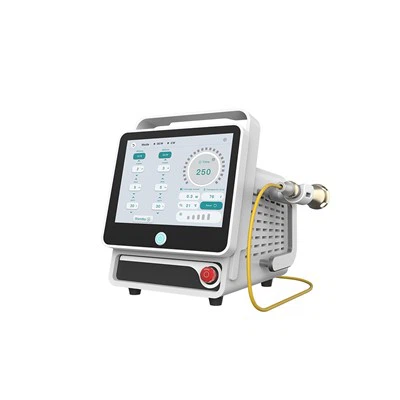
Shockwave therapy has become one of the most widely used non-invasive treatment methods in physical therapy, sports medicine, rehabilitation centers, and aesthetic clinics. It can stimulate tissue repair, alleviate chronic pain, break down calcifications, and improve mobility. However, with the growth in market demand, both physical therapy equipment wholesalers and institutional buyers are wondering: what is the price of a shockwave therapy device?
This article is a comprehensive guide for all buyers, designed to help them understand the costs of shockwave therapy equipment. It covers the factors influencing the price of shockwave therapy and key considerations when making a purchase.

Price Ranges for Shockwave Therapy Machines
The price of shockwave therapy devices is influenced by various factors, such as the technology, functions, brand, and accessories used. Entry-level shockwave therapy devices on the market generally range from $2,000 to $5,000 and are suitable for physical therapy clinics, medical centers, and personal use. High-end focused shockwave devices range from $7,000 to $20,000 and are suitable for specialized treatments, including extracorporeal shockwave therapy for musculoskeletal disorders.
Here are some popular brands and models of shockwave therapy devices.
|
Brand |
Model |
Type |
Applicable Scenarios |
|
Storz Medical® |
Masterpuls MP200 / MP50 |
Focused/Radical |
Large hospitals and sports rehabilitation centers |
|
Zimmer® |
enPuls 2.0 |
extracorporeal shock wave |
Physiotherapy Center, Rehabilitation Clinic |
|
BTL® |
BTL-6000 SWT Topline |
extracorporeal shock wave |
Physiotherapy and medium-sized clinics |
|
Gymna® |
ShockMaster 300 / ShockMaster 500 |
Radial shockwave therapy |
medium-sized clinics and rehabilitation centers |
|
Newangie® |
SW5-2/SW14-1 |
Focused/Radical shockwave therapy |
Startup clinics, users with limited budgets |
Factors Affecting the Cost of Shockwave Therapy Machines
Type of Shockwave Technology
Shockwave therapy equipment, also known as an ESWT (Extracorporeal Shock Wave Therapy) shockwave therapy machine, falls into two technical categories: the focused shockwave therapy machine and the radial shockwave therapy machine.
The radial shockwave therapy features a gun-like treatment handpiece that generates energy pulses at high speed. This energy is transmitted to the skin and then diffuses outward in the form of radial waves, making it primarily suitable for treating superficial soft tissues.
In contrast, the focused shockwave therapy can penetrate tissues more deeply and concentrate energy on smaller, deeper target areas. It also involves higher technical complexity and incurs greater manufacturing costs.

Shock Wave Therapy Emission Modes
In terms of technical complexity, manufacturing cost, and clinical value, these four shock wave devices with different emission methods form a clear price hierarchy: piezoelectric > electromagnetic > electrohydraulic > pneumatic ballistic.
Pneumatic Ballistic
It is the main mode for radial shock waves, also called pneumatic emission.
• Simple technical principle.
• Low equipment manufacturing cost and easy operation.
• Shock wave penetration depth: 2–5 cm (shallow).
• Energy distribution is relatively dispersed.
• Less irritation to superficial soft tissues.
Electrohydraulic
It is the earliest mode for focused shock waves and has high energy intensity in clinical use.
• High energy peak and good focusing accuracy.
• Penetration depth: up to 5–15 cm.
• Electrodes wear from discharge and need regular replacement.
• Equipment makes loud noise during operation.
Electromagnetic
It is the most widely used mode in clinical practice now. It works for both focused and radial shock waves.
• Stable energy output and strong controllability.
• Precisely adjust shock wave frequency and intensity.
• No electrode wear, long equipment service life.
• Low operating noise.
Piezoelectric
It is a high-precision mode for focused shock waves.
• Extremely high focusing accuracy and uniform energy distribution.
• Low risk of damaging surrounding normal tissues.
• Single piezoelectric crystal has weak energy output.
• Needs multiple crystals to work together, leading to higher manufacturing costs.
Energy and performance parameters
These three factors all directly affect the price of shock wave therapy devices.

The higher the energy a shock wave therapy device can output, and the wider the adjustable energy range, the higher the manufacturing requirements for the equipment – and the higher its price will be.
If the equipment has a wide adjustable frequency range and can adjust the shock wave frequency at high frequencies, the requirements for hardware and control systems will be more stringent.
If a device can act on deeper tissues (such as bones and deep tendons), it demands higher performance from the transducers and focusing systems.
Features and Accessories
The software functions of an Extracorporeal Shock Wave Therapy (ESWT) shockwave therapy machine also impact the device's price – this includes features like touchscreen interfaces and patient management software.
In addition, the machine's accessories contribute to price variations as well. Examples of such accessories are various treatment heads, including Peri Actor Fascia Transmitters and Spine Actor Transmitters.

Certification and Regulations
The price of a shockwave therapy machine also depends on whether it is used in a medical facility or at home. Medical shockwave therapy machines used in hospitals and rehabilitation centers are often more expensive because they are equipped with more advanced treatment heads that can better stimulate blood circulation and have more stringent certification requirements such as CE/FDA. Home shockwave therapy devices may be more affordable, but the treatment plan may be simpler.

Brands and Suppliers
Well-known international brands such as Storz shockwave therapy machines and BTL shockwave therapy machines command higher prices. This is due to their brand premium, as well as the substantial costs invested in research and development (R&D) and after-sales service.
In general, manufacturers of internationally renowned brands provide comprehensive after-sales service. Benefits like extended warranty periods, spare treatment heads, and parts replacement services are all included in the device's price tag.
Precautions When Purchasing A Shockwave Therapy Machine
Beyond understanding the price range of shockwave therapy machines and the factors that affect their cost, directly purchasing equipment on your own is usually not practical. Whether you are a wholesaler, a clinic, a rehabilitation center, or a home user, the following considerations can help you avoid a great deal of trouble.
- Budget Planning
- Quality & Certifications
- After-Sales Support & Warranty
- Accessories & Consumables Cost
- Supplier Selection: Local vs. International
-
 Budget Planning
Prices for extracorporeal shockwave therapy machines vary greatly depending on the brand, type, and performance. Therefore, it's essential to determine your budget before purchasing.
• Define your budget range: Based on the three price ranges for shockwave therapy machines mentioned above, define your budget range.
• Determine the intended use: Do you want to purchase the equipment for home, clinic, or rehabilitation center use? If for clinic use, you will need to choose a model with better performance and durability.
• Budget allocation: In addition to the equipment itself, you should allocate approximately 10–20% for consumables, maintenance, and training. -
 Quality & Certifications
For use in clinics, sports rehabilitation centers, and similar settings, the safety and performance of the equipment are paramount. Ultimately, choosing an internationally certified brand reduces treatment risks and ensures the equipment's safety and reliability.
The following are certifications that professional shockwave therapy devices typically obtain:
• CE (European Certification): Ensures the device meets EU safety standards
• FDA (US Food and Drug Administration) Certification: More stringent medical device certification
• ISO 13485: Medical Device Quality Management System -
 After-Sales Support & Warranty
Whether for home or clinical use, shockwave therapy machines are high-value devices used long-term, so after-sales service from the manufacturer should be considered when purchasing them.
Key after-sales service points to consider:
• Warranty period: At least 1 year warranty.
• Repair response time: Is local or regional service available?
• Training support: Is operational training or remote technical support provided?
• Spare parts availability: Are probes, handles, energy modules, etc., easily replaceable? -
 Accessories & Consumables Cost
Besides the price of the equipment itself, consumables are another easily overlooked factor.
Common consumables include: Shockwave handpiece, Treatment head (wearable), Conductive Gel, Filters, and Drive Modules.
Replacing these consumables will affect long-term costs. When purchasing equipment, it's essential to understand whether parts are interchangeable or if original manufacturer parts are required. -
 Supplier Selection: Local vs. International
Choosing a local supplier can make it easier to obtain on-site training and offer more flexible warranties, while international suppliers often provide more advanced technology and higher equipment stability. However, regardless of whether you choose a local or international supplier, you should pay attention to the following:
• Do they have the necessary medical device business license?
• Do they offer trials or demonstrations?
• Do they have long-term cooperative hospital/clinic case studies to verify their qualifications?
• What are their delivery time and logistics speed?
Recommended Shockwave Therapy Machines from Newangie
If you're evaluating suppliers and want a reliable partner with proven experience, here's why Newangie could be the ideal choice for your shockwave therapy device procurement:
High Energy, Stable Output
Our radial shockwaves penetrate 3-4 cm, while focused shockwaves can penetrate up to 12 cm, making them ideal for:
• Pain management (tendinitis, plantar fasciitis, muscle relaxation)
• Sports rehabilitation
• Cosmetic applications (reducing cellulite, body sculpting)
Training and After-Sales Support
To support clinics and distributors, we provide:
• Detailed product manuals and user guides
• One-on-one video tutorials
• Free training materials
• Marketing materials
Global Reach & Trusted Reputation
Our beauty and physiotherapy systems (including shockwave therapy devices) serve over 10,000 clients worldwide and are widely used by numerous international clinics and distributors, enjoying global recognition and trust.
Multiple Treatment Heads
Our professional shockwave therapy machine has 13 treatment heads customized for different treatment sites, which can improve treatment accuracy and patient comfort.
Customization Services for Distributors
We offer comprehensive OEM/ODM solutions, such as customized logos and branding, customized software interfaces, customized packaging, and more, to meet the specific needs of brand owners and distributors.
Low Maintenance Costs
All our equipment is CE, ISO, FDA, and RoHS certified. Each unit also comes with a one-year warranty and lifetime maintenance, helping clinics reduce maintenance costs.
Interested in Specifications or Pricing?
If you would like detailed parameters, quotations, or distributor terms, feel free to contact our team. We can recommend the most suitable shockwave unit for your business model and target market.
FAQ: About the Cost of Shockwave Therapy Machines
Q: Is shockwave therapy suitable for all ages?
A: Shockwave therapy is generally safe and effective for patients of all ages. However, suitability for treatment should be assessed by a qualified medical professional based on individual circumstances.
Q: Will choosing a cheaper shockwave therapy device affect its lifespan?
A: Yes. Lower-priced devices typically have a shorter lifespan, and common problems include overheating of the handle, decreased impact force, and insufficient lifespan of the transmitter.
Q: How long does it take to recoup the cost of a shockwave device?
A: The payback period for most clinics is approximately 1–3 months.
Q: Can you provide test videos or actual energy measurement reports?
A: Professional suppliers typically provide:
• Energy testing equipment video
• Handle durability test
• Factory inspection report
This information helps buyers determine if the price is reasonable.
Q: Do you offer free training?
A: Most shockwave therapy manufacturers offer:
• Online video training
• User manual
• Remote guidance
These are usually provided free of charge and are part of after-sales support.