





You may not usually pay attention to your pelvic floor muscles, and some people may not even know where they are located in their body. However, when you experience health problems such as urinary incontinence, fecal incontinence, painful intercourse, or pelvic pain, you'll realize just how important your pelvic floor muscles are. This guide will explore the function of the pelvic floor muscles, the causes of damage, and how to use today's advanced medical aesthetic device, the EMS chair, to help you restore your health.
What are the pelvic floor muscles?
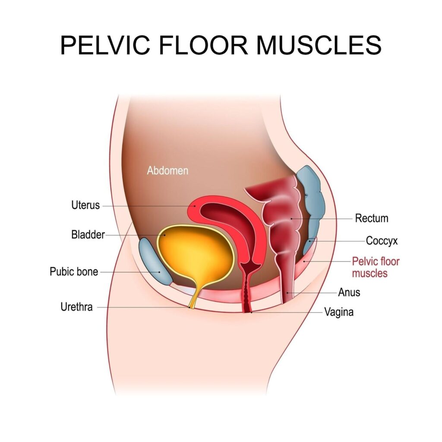
The pelvic floor muscles are not a single muscle, but a group of muscles that close off the bottom of the pelvis, resembling a "hanging net."
This strong group of muscles extends from the pubic bone to the coccyx and connects to the pelvic walls on both sides, supporting and maintaining the pelvic organs such as the bladder, urethra, uterus, vagina (female), prostate (male), and rectum in their normal positions.
Why are pelvic floor muscles so important?
Support function
This is its most essential function. Like a sturdy net, it firmly holds the pelvic organs such as the bladder, uterus, and rectum, maintaining them in their normal, stable positions and preventing them from prolapse (such as uterine prolapse, cystocele, and rectocele).
Control function:
They enclose the passageways of the urethra and rectum, helping to keep the passageways closed and prevent leakage, thereby helping to control bladder and bowel functions.
- Urinary control: When you cough, sneeze, laugh, jump, or run, the pelvic floor muscles contract rapidly, closing the urethra to prevent involuntary leakage of urine (stress urinary incontinence).
- Defecation control: Similarly, it controls the expulsion of gas and the leakage of feces.
- For men: The pelvic floor muscles are also related to erectile and ejaculatory function.
Sexual function:
Strong and flexible pelvic floor muscles are crucial for the quality of sexual life. For women, they affect vaginal tightness and sexual sensation; for men, they are related to erectile and ejaculatory control.
Supporting Pregnancy and Childbirth:
During pregnancy, the pelvic floor muscles need to provide extra support for the growing uterus and fetus. During childbirth, these muscles need to stretch dramatically to allow the baby to pass through, making them susceptible to injury.
What factors can damage the pelvic floor muscles?
Any factor that causes the pelvic floor muscles to be subjected to excessive pressure or directly damaged can damage them:
Pregnancy and childbirth:
This is the leading cause of pelvic floor muscle damage in women. Hormonal changes during pregnancy and the weight of the fetus continuously compress the pelvic floor, while vaginal delivery can directly lead to overstretching, tearing, or nerve damage of the muscles.
Aging:
As we age, muscle strength and elasticity naturally decline, just as skin loosens.
Prolonged increased abdominal pressure:
Chronic constipation, chronic cough (such as from smoking, asthma, or bronchitis), obesity, heavy physical labor, or incorrect exercise methods.
Surgery:
Procedures such as radical prostatectomy can damage the pelvic floor muscles in men.
What are the consequences of pelvic floor muscle damage?
If your pelvic floor muscles become weak or dysfunctional, you may experience the following symptoms:
Urinary incontinence:
Leaking urine when coughing, laughing, or exercising (stress incontinence); or sudden, intense urge to urinate that results in leakage before you can reach the toilet (urge incontinence).
Pelvic organ prolapse:
Feeling something protruding from the vaginal opening, or a feeling of heaviness or pulling in the lower body.
Sexual dysfunction:
Vaginal laxity, decreased sexual pleasure, or painful intercourse.
Breakfast:
Fecal incontinence, or difficulty defecating, requiring manual assistance.
Chronic pelvic pain:
Lower abdominal distension and pain.


Recommended for Pelvic Floor Muscle Strengthening and Repair
For professional medical aesthetic institutions seeking a safe, non-invasive, and highly effective pelvic floor muscle treatment solution, Newangie's EMS Tesla chair offers a reliable option.
It is a non-invasive shaping and muscle stimulation device that uses high-intensity focused electromagnetic (HIFEM) energy to stimulate deep muscle contractions. These contractions are believed to retrain and strengthen the pelvic floor muscles, improving their tension and function through a series of treatments. This muscle-strengthening training can effectively improve sexual function and reduce pelvic pain, repairing your pelvic floor muscles.

Advantages of the Newangie EMS Tesla Chair
No Consumables Required
Our EMS chair requires no additional consumables during patient treatment, reducing operating costs for beauty clinics.
Suitable for All
Our device primarily treats pelvic floor issues caused by aging, childbirth, or menopause.
Maximize Profitability
Newangie's EMS muscle therapy chair is a safe and effective non-surgical treatment that can increase clinic revenue.
Promotes Postpartum Recovery
Our EMS Tesla chair enhances blood circulation and nerve function in the pelvic floor, promoting postpartum recovery.
Non-invasive and Painless
As a non-invasive treatment, it requires no needles, no surgery, and has a very short recovery period. Clients can immediately resume their daily lives and work after the treatment.
What else can Newangie's EMS Tesla chair do for you?
The EMS massage chair stimulates the pelvic floor muscles by delivering high-intensity focused electromagnetic energy, promoting muscle contraction and relaxation. Its effects are stronger and more effective than voluntary contractions achieved through exercise.
In addition to repairing postpartum pelvic floor muscles and restoring their firmness and elasticity, our advanced EMS Chair can effectively improve urinary incontinence and vaginal laxity in women. Furthermore, it can improve body shape by burning fat and strengthening muscle fibers. A 30-minute session is equivalent to 20,000 to 50,000 sit-ups or squats, making it a good treatment for postpartum women to reduce abdominal fat.

The pelvic floor muscles are a vital group of muscles hidden deep within the body, silently bearing the crucial responsibilities of support, urinary and fecal control, and maintaining sexual function. Both men and women should pay attention to and actively exercise them from a young age, as this is essential for improving lifelong quality of life. Understanding the causes of pelvic floor muscle damage can help prevent risks in advance, and even if risks occur, scientific treatments can be used for repair.
As a leading manufacturer of medical aesthetic devices, Newangie's EMS Tesla chair has received high praise from numerous clients, providing a safe and effective solution for customers seeking pelvic floor muscle treatment.