



High-Intensity Focused Ultrasound (HIFU) has become an established technology for non-invasive facial lifting, skin tightening, collagen stimulation, and selected body-contouring applications. As the technology has evolved, clinics and beauty businesses can now choose from a wide range of HIFU machines with different treatment depths, handpieces, energy configurations, and multifunctional capabilities.
However, choosing the right HIFU machine requires more than comparing the number of handles or looking for the lowest price. Treatment depth, energy stability, cartridge configuration, intended applications, regulatory requirements, operator training, maintenance, and after-sales support can all affect the long-term value of the equipment.
This guide explains how HIFU technology works, which technical specifications matter, and what clinics, salons, and distributors should evaluate before selecting a professional system. If you are already comparing available models, explore ourprofessional HIFU machines for different facial and body treatment applications.
What is HIFU?
Learn how HIFU works
The Working Principle of High-Intensity Focused Ultrasound Treatment
A HIFU device precisely focuses dispersed ultrasound energy onto a tiny focal point within the deep layers of the skin. This causes the temperature to rise instantly and sharply-reaching between 60°C and 70°C-creating microscopic thermal coagulation points (precisely defined zones of thermal injury) beneath the surface. Throughout this entire process, the skin's surface remains completely intact and suffers no damage whatsoever.
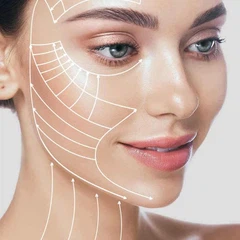
The human body interprets these thermal coagulation points as "micro-injuries" and automatically initiates a wound-healing response. Consequently, fibroblasts are activated and begin to produce large quantities of new collagen and elastic fibers. This newly generated collagen gradually replaces aging tissue, causing the skin to tighten from deep within. As the collagen network is reconstructed, sagging tissues are lifted upward, and facial contours become progressively more defined. This constitutes the fundamental principle behind HIFU technology's ability to achieve lifting, tightening, and wrinkle-reduction effects.
HIFU Treatment Cost |
|
|
Treatment Areas
|
Single
|
|
Forehead & Eyes
|
$498
|
|
Mid Face
|
$980
|
|
Neck + Double Chin
|
$498
|
|
Forehead to Neck
|
$1580
|
|
Body HIFU (800 shots)
|
$800
|
The Non-invasive Nature of High-Intensity Focused Ultrasound (HIFU)
"Non-invasive" is the core characteristic that distinguishes HIFU from traditional surgery.
| Features | Note |
|---|---|
| No Incisions | No scalpel required; leaves no scars. |
| No Needles | No injections needed, thereby avoiding risks associated with injections-such as allergic reactions or embolisms. |
| No Anesthesia | Requires only a topical anesthetic cream; no injectable or general anesthesia is necessary. |
| No Downtime | Patients can immediately resume their normal daily lives and work activities following treatment. |
| No Epidermal Damage | Energy penetrates directly through the epidermis to reach the deep tissue layers, while the epidermis remains intact. |
Special Note: Precisely because it is non-invasive, HIFU is often referred to as a "lunchtime beauty treatment"-allowing patients to undergo the procedure during their lunch break and return to work as usual that very afternoon. However, this can easily lead people to underestimate its medical nature and overlook the critical importance of selecting a reputable facility and a qualified, professional practitioner.
Common Skin & Beauty Issues Your Clients Struggle With
Primary Skin Concerns of Your Clients
🔹Sagging Skin: A Top Client Complaint
🔹Wrinkles & Fine Lines: Another Major Worry
🔹Stubborn Fat: Hard to Eliminate with Traditional Methods


🔹Loss of Skin Firmness: A Post-Aging/Weight Loss Concern
Why Traditional Solutions Fall Short?
Traditional approaches like surgery or basic beauty machines often come with high risks, long downtime, or underwhelming results. This is precisely why HIFU technology has become a booming trend in the aesthetic market-it provides a non-invasive, scientifically validated solution to all four of these common skin problems.
HIFU Clinical Benefits & Business Value
Key Clinical Benefits of HIFU
- HIFU Facelift
- Tightening the skin on the neck
- Eliminate double chin
- Lift sagging eyelids or eyebrows
- Smoothing wrinkles and fine lines
- Smooth and tighten chest skin
Business Value of HIFU for Clinics & Salons
For clinics and beauty salons, introducing HIFU devices means accessing a mature, non-invasive technology with no recovery period, simultaneously covering three high-demand areas: facial lifting, collagen regeneration, and body sculpting. This allows them to significantly expand their service menu with a single machine, meeting diverse customer needs from anti-aging to weight loss.
This not only helps institutions significantly increase revenue per customer and repeat purchase intentions but also builds a professional reputation with "immediately visible and continuous improvement," quickly differentiating themselves in a highly competitive market.
Furthermore, HIFU treatments are short, have a substantial fee per session, and the equipment is durable, allowing institutions to recoup costs and achieve sustained profitability in a shorter time, truly achieving a win-win situation of customer satisfaction and business growth.
What Factors Influence the Effectiveness of HIFU Treatment?
Given that two people may undergo the exact same HIFU procedure, why do some achieve remarkable results while others find the outcome less than satisfactory? The following factors are crucial:
Equipment and Energy Output
Legitimate, professional-grade HIFU equipment delivers a stable energy output. If the device's energy output is compromised-failing to reach the thermal injury threshold of over 60°C-collagen cannot be effectively regenerated. The nature of the treatment transducer (probe) is also critical; reusable probes not only pose a risk of infection but also suffer from diminished energy output over time.
Operator Expertise
his is the most critical factor affecting treatment outcomes. No matter how advanced the equipment, if the operator lacks professional machine treatment and operation skills, not only will the desired results not be achieved, but potential side effects may also occur. Therefore, when evaluating a medical facility, consider the following:
Is the angle of probe application precise?
Does the selected treatment depth correspond accurately to the individual's specific skin layers?
Is the density of overlapping energy pulses appropriate?
Is the identification of "exclusion zones" (areas to be avoided) accurate?
Special Note: The difference in results between an experienced physician and an operator who has undergone only short-term training can be night and day. Want to learn more about operating procedures, pre- and post-operative care, and potential side effects? Please read the relevant resources:
Individual Differences
Every individual possesses a unique constitution and specific skin condition; consequently, it is understandable that treatment outcomes may vary from person to person.
Age: Results are most pronounced in individuals aged 30 to 50 who are experiencing early signs of aging and sagging. For those over 60, collagen regeneration capabilities typically decline, meaning the results may be less than ideal.
Fat Thickness: Individuals with very thin facial tissue may experience heightened pain sensations during treatment; conversely, those with excessive facial fat may require adjunctive fat-reduction treatments to achieve visible results.
Degree of Skin Laxity: Results are optimal for cases of mild to moderate skin laxity; severe skin laxity may necessitate surgical intervention.
Post-Treatment Care
Adherence to post-treatment care protocols-specifically rigorous sun protection, adequate nutritional intake to support collagen synthesis (e.g., Vitamin C and high-quality protein), and the avoidance of high-temperature environments (such as saunas or prolonged sun exposure)-will ultimately determine the final success of collagen regeneration.

HIFU Safety, Regulation, and Professional Use

Whats the Difference Between HIFU and Pulse Lift?
| HIFU vs Pulse Lift | Working Principles | Improvements | Target Groups |
| HIFU | Through high-intensity focused ultrasound technology, energy is precisely applied to the SMAS fascia layer deep in the skin, using heat energy to stimulate the contraction and regeneration of collagen to achieve a firming and lifting effect. | It focuses on "deep lifting" and aims to address problems such as sagging skin, unclear jawline, and deep nasolabial folds. It achieves an overall improvement in facial contours by tightening the fascia layer, and the effect tends to be "anti-aging repair." | People over 35 years old with obvious deep skin sagging, or users who want to achieve a firming effect through non-surgical methods. |
| Pulse Lift | Based on EMS and RF dual technologies, on the one hand, EMS is used to stimulate facial muscle contraction and enhance muscle tension; on the other hand, RF radio frequency is used to heat the dermis to promote collagen production, taking into account the improvement of both muscle and skin layers. | It focuses on "muscle activation and skin firming" and is more suitable for improving problems such as sagging contours and decreased skin elasticity caused by loose facial muscles. The effect tends to be "rejuvenation". | Suitable for daily maintenance and prevention of sagging for people aged 25-40, whose skin is just beginning to age or whose contours are unclear due to muscle sagging. |
What if the two are combined?
For those seeking preventative measures against aging:
Pulse Lift can be used monthly as basic maintenance to prevent sagging;
HIFU treatment can be performed annually to deeply strengthen the fascia layer.
For those experiencing severe sagging:
HIFU can be used to tighten the fascia layer first to address the underlying sagging.
One month after treatment, Pulse Lift can be used regularly to promote collagen production in the dermis, simultaneously improving skin elasticity and muscle tone, and prolonging the effects of HIFU.
Key HIFU Machine Specifications to Compare Before Buying
Returning to the HIFU device itself, the following technical parameters should be emphasized when selecting one:
• Ultrasound frequency and energy output: This determines the penetration depth and thermal effect, affecting treatment outcomes. Low frequencies are suitable for deep lipolysis, while high frequencies can improve superficial firmness.
• Treatment depth: Multiple depth settings are necessary, including 1.5mm (epidermis), 3.0mm (dermis), and 4.5mm (SMAS layer), to suit different areas of the body, such as the periorbital area, face, and body.
• Energy and pulse control: Whether the device supports fine-tuning of energy and pulse intervals enhances personalized treatment results.
• Probe configuration: A larger number of probes allows for a wider treatment range; probes specifically designed for the periorbital area and the body are more competitive.
• Lifespan: The number of firing cycles per probe directly impacts operating costs.

How to Choose the Right HIFU Machine for Your Clinic?
For patients
- Determine your skin condition and expectations
- Consider your tolerance level.
For clinic and beauty salon owners
Before choosing the best HIFU device for your clinic or spa, it's best to clarify your goals and available resources.
Main Treatment Areas
Do you primarily focus on facial lifting, body sculpting, or vaginal tightening? Defining the treatment area helps in selecting the appropriate probe and depth.
Target Audience
Different clients have different needs based on age and skin type. Younger clients tend to focus on anti-aging, while clients over 40 require deeper lifting. Different probe depths offer different effects.
Treatment Volume and ROI Expectations
Estimate your expected monthly treatment volume, average treatment price, consumable cost, and equipment utilization before purchasing. A lower machine price does not automatically mean a faster return if treatment capacity, reliability, or available applications are limited.
Compliance and Regulations
Different regions have different requirements for medical aesthetic equipment. Ensure the purchased equipment complies with relevant regional certifications and clarify whether a licensed physician is required to operate it.
Personnel Training and After-Sales Support
HIFU equipment operation requires specialized skills. Manufacturer training and after-sales support directly impact treatment effectiveness and equipment lifespan. Clarify whether the manufacturer provides clinical training and remote technical support.
Budget Range
Compare total ownership cost rather than equipment price alone. In addition to the initial investment, consider cartridges or consumables, maintenance, replacement parts, training, shipping, warranty coverage, and potential downtime.
What Should You Evaluate When Choosing a HIFU Equipment Supplier?
Once you have identified the type of HIFU system your business needs, the next step is evaluating the company behind the equipment. Equipment specifications are important, but long-term reliability also depends on quality control, training, warranty coverage, replacement parts, and technical support.
Don't Prioritize Price Over Quality
Low prices can be tempting, but cheap HIFU machines almost always come with serious drawbacks. Common issues include unstable energy output, which leads to inconsistent treatment results and potential safety risks for clients. Poor handpiece durability means frequent replacements, eating into your profit margins. Additionally, many low-cost suppliers offer no after-sales support-leaving you stranded if the machine breaks down.
A slightly higher initial investment in a reliable manufacturer will save you thousands of dollars in repairs, replacements, and lost business in the long run.
Choose the Right Level of Functionality
Purchasing a single-function HIFU machine limits your service menu. Today's clients expect more than just one treatment option-they want lifting, tightening, body contouring, wrinkle reduction, eye lifts, and overall skin rejuvenation, all from a single trusted provider.
Multi-function systems can be valuable for businesses that plan to offer several treatment categories, while clinics focused on one core application may prefer a more specialized configuration. The right choice depends on your service menu, expected treatment volume, available space, and budget.
Evaluate Manufacturing and Technical Support Capabilities
There's a significant difference between buying from a genuine manufacturer and a trading company. A real manufacturer offers OEM and ODM services, enabling you to customize the machine with your own logo and packaging. They ensure consistent quality because they control the entire production process from start to finish. Technical support is faster because you're communicating directly with the team that builds the machines.
Long-term cooperation is also easier, as manufacturers are invested in building lasting partnerships rather than making quick sales.
If you're a distributor, always request OEM pricing directly from the manufacturer. This guarantees you get factory-direct rates and comprehensive support.
Which Type of HIFU Machine Fits Different Treatment Needs?
Different HIFU configurations are designed for different treatment strategies. Rather than choosing a system simply because it offers the largest number of functions, buyers should match the configuration to the services they actually plan to provide.
For clinics focused mainly on facial lifting and skin tightening, a professional facial HIFU system with appropriate treatment depths may be sufficient.
Businesses planning to combine facial treatments with body contouring may benefit from systems that include additional body-focused handpieces or configurations.
Clinics seeking a broader treatment menu can evaluate multifunctional HIFU platforms that integrate several applicators or treatment modes into one system.
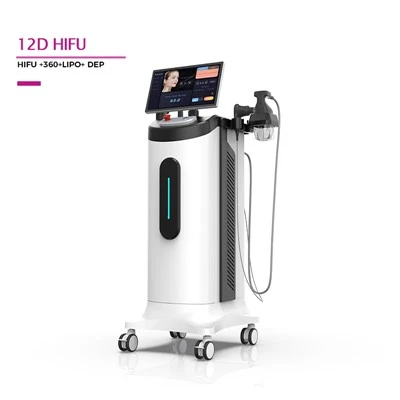
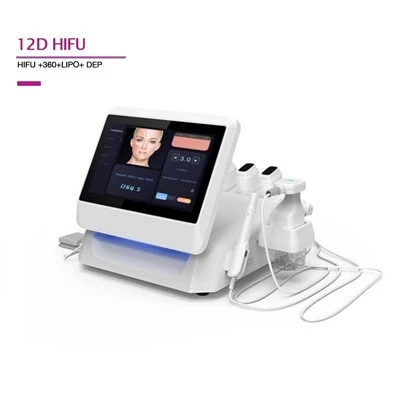
Newangie currently offers several HIFU configurations, including facial-focused systems, 12D/14D platforms, multifunctional HIFU systems, and other professional solutions for different treatment and business requirements.
Why Choose Newangie as Your Aesthetic Equipment Manufacturer?
For distributors, clinics, salons, and professional equipment buyers, choosing a supplier is not only about comparing machine specifications. Manufacturing capability, customization, delivery, training, and after-sales support all influence long-term cooperation. Newangie supports international B2B partners with integrated product development, manufacturing, and business support.
- Established Manufacturing Experience: Newangie has focused on the development and production of professional aesthetic and medical equipment since 2008, supporting customers across international markets.
- In-House Production Capability: Our self-operated factory covers approximately 6,000 square meters and is equipped with multiple production and assembly lines to support product manufacturing, quality control, and order fulfillment.
- OEM & ODM Customization: We support product configuration, appearance, branding, software interface, packaging, and other customization requirements according to the project and target market.
- Support for Distributors and Professional Buyers: From product selection and technical documentation to training, marketing materials, logistics coordination, and after-sales service, our team provides ongoing support throughout the cooperation process.
- Flexible Cooperation: Whether you are sourcing equipment for a clinic, building a distribution portfolio, or developing a private-label product line, Newangie can provide solutions based on your purchasing volume, market requirements, and customization needs.
Genuine 6-in-1 Multi-Functionality
One Newangie 6-in-1 HIFU machine covers six essential beauty functions: HIFU lifting, skin tightening, wrinkle reduction, body slimming, collagen regeneration, and eye & face contouring. This translates to lower cost per treatment for you, more services to offer your clients, and higher overall ROI for your clinic or salon.
Professional Handpiece with Switchable Depths
The energy system is stable and reliable, featuring a handpiece with switchable depth settings-1.5mm, 3.0mm, and 4.5mm-allowing you to treat different skin layers for various concerns with a single handpiece. The ergonomically designed handpiece ensures technician comfort during long sessions, it also ensures highly efficient treatment results. You can utilize Newangie's HIFU devices to provide your clients with comprehensive facial and body care.
Factory-Direct Support & Certification
Newangie is a professional aesthetic equipment manufacturer with years of experience in HIFU machine, picosecond lasers device, and so on. We implement strict quality control measures for every machine that leaves our factory.
We provide English-language training and after-sales support to help you and your clients succeed. Additionally, we offer full OEM and ODM capabilities-letting you build your own brand using our advanced technology.
When you choose Newangie, you're not just buying a machine-you're partnering with a manufacturer dedicated to your business growth. With CE and FDA certifications, our 6-in-1 HIFU machines have been trusted by over 500 clinics and distributors in more than 30 countries worldwide.

Frequently Asked Questions from Clinics/Spas
Does the machine need regular calibration? How often should it be calibrated?
Yes, it must be calibrated annually, and the daily energy output must be checked weekly using a standard sound source. Uncalibrated equipment may reduce treatment effectiveness or even cause safety incidents.
01
Can a spa purchase HIFU equipment without a licensed physician?
Licensing and operator requirements vary by country, region, device classification, and intended use. Before purchasing or offering HIFU treatments, clinics and spas should verify applicable local regulations and confirm whether physician supervision or specific professional licensing is required.
02
Does the probe have to be purchased from the original manufacturer?
It is recommended to purchase from the original manufacturer. Third-party probes may cause energy instability and directly void the device warranty, increasing subsequent maintenance costs.
03
Is 7D HIFU better than 3D HIFU?
Not necessarily. "D" represents the depth range that the probe can cover. 7D means more probe options (usually 5-7 depths), suitable for treating multiple areas of the body; 3D (3 depths) is sufficient for basic facial anti-aging needs. Blindly pursuing a high "D" value will increase procurement costs.
Explore Professional HIFU Machines & OEM Solutions
Once you have defined your treatment applications, required configuration, budget, and local compliance requirements, the next step is to compare suitable professional systems.
Newangie offers multiple HIFU machine configurations for clinics, salons, distributors, and aesthetic equipment businesses, together with OEM/ODM customization, product training, technical support, and after-sales service.
✅ WhatsApp: +86 18713519520
✅ Email: info@newangie.com / support@newangie.com
FAQ
Q: What is HIFU? How does it work?
A: HIFU treatment is a non-invasive cosmetic procedure that uses advanced high-intensity focused ultrasound technology to transmit energy approximately 1.5-4.5mm below the skin. This energy is then converted into heat to stimulate the skin's self-repair mechanisms, triggering a wound healing response and promoting collagen and elastin production. This results in lifting, firming, and contouring.
Q: How many treatments do I need? How often should I wait between treatments?
A: Visible results are usually seen after just one treatment, but some patients may require multiple sessions depending on their skin condition. It is recommended that the next treatment be scheduled three months after a single treatment.
Q: Is HIFU treatment safe? Is there a recovery period? Is it painful?
A: HIFU is a non-invasive treatment that requires no surgery, needles, or downtime, allowing you to quickly return to your normal life. Slight redness and swelling may occur after the procedure, but this will subside quickly and won't affect your daily life.
Q: How long does the treatment take? When can you expect to see results?
A: Depending on the treatment plan, treatments typically last 40-60 minutes. Visible results are immediately noticeable, with peak results reaching 2-3 months later.
Q: How long do the results last?
A: The effects of HIFU treatment can last a year or longer. We can't give an exact timeline, as results depend on your individual collagen production process and other lifestyle factors that may affect aging. The reality is that we age every day, but HIFU can slow the aging process.
Q: Who can benefit from HIFU?
A:
Adults over 30 with mild to moderate skin laxity
People seeking a non-surgical face lift and anti-aging solution
People who prefer not to go under the knife and are sensitive to pain but want fast, noticeable results
Q: What areas can be treated with HIFU?
A:
Face-cheeks, jawline, forehead
Neck and double chin
Eyebrows and eyelids
Neck and upper chest
Abdomen, thighs, upper arms
We recommend that you treat the entire face and neck for optimal results.
Q: Who should not undergo HIFU treatment?
A:
Pregnant women
Those with broken skin, dermatitis, or allergies in the treatment area
Those with metal or mechanical implants (such as heart stents) should not undergo HIFU treatment on metal-containing areas
Those who have had minor cosmetic fillers in the treatment area for less than three months
Those with photosensitivity or currently taking photosensitizing medications (such as isotretinoin) should wait one month before undergoing HIFU treatment
Those who have undergone photorejuvenation should wait seven days before undergoing HIFU treatment
Those who have recently received facial fillers or Botox
Explore More Professional Resources >>
If you're still researching before purchasing, explore our expert buying guides and educational resources: