



Who doesn't desire smooth, supple skin? Beyond a healthy lifestyle and a balanced diet, HIFU treatment stands out as one of the most popular non-invasive methods for achieving skin tightening. However, booking the session is merely the first step; the care you take in the hours, days, and even weeks following the procedure will directly influence your comfort during recovery and the ultimate tightening results.
This guide provides a detailed breakdown of post-HIFU facial care essentials to help you maximize the treatment's benefits, while also establishing a standardized post-procedure care protocol for beauty salons, clinics, and distributors.

What is HIFU treatment?
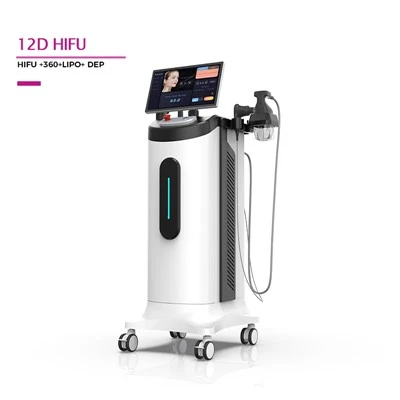
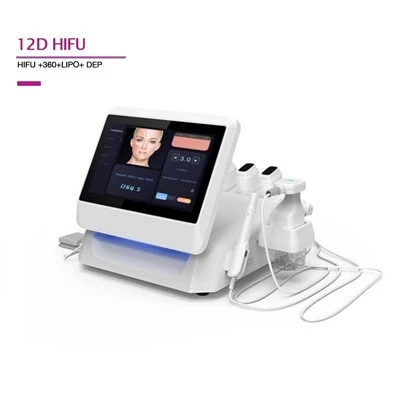
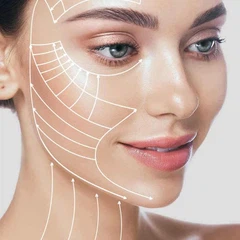
HIFU (High-Intensity Focused Ultrasound) is a non-invasive medical aesthetic treatment. HIFU devices safely transmit ultrasound energy through the skin's surface, focusing it at specific depths beneath the skin-specifically, the SMAS layer, which is the same tissue layer surgeons tighten during a facelift. At this focal point, controlled heat triggers the body's natural healing mechanisms and stimulates the production of new collagen, resulting in skin tightening, or safely destroys targeted pathological cells.
(Correction: Although the term "HIFU laser treatment" is widely used, HIFU is not a laser. Lasers utilize light energy acting on the skin's surface, whereas HIFU employs sound waves that act beneath the skin.)
| What should you do immediately after HIFU treatment?
You may notice some changes in your skin following a HIFU facial treatment; the following are normal and expected reactions:
• Mild redness and a sensation of warmth
• Slight swelling or a feeling of fullness
• Mild tenderness or soreness when touched
• Occasional tingling or patchy numbness
There is no need to worry or panic if you experience these symptoms, as they are normal post-treatment reactions that typically subside on their own within 24 hours. However, if you wish to take additional care, you may follow these guidelines:
• If you experience swelling or a stinging sensation, apply a cold compress for 5–10 minutes at a time (wrap the compress in a cloth; do not apply ice directly to the skin).
• Cleanse your face with lukewarm water (37°C) using a non-foaming, non-irritating cleanser.
• Drink plenty of water to ensure your body remains well-hydrated.
• Get plenty of rest; sleep helps promote the skin's repair processes triggered by the treatment.
Precautions:
• Avoid wearing makeup for one week after treatment.
• Avoid washing your face with hot water; do not use saunas, steam rooms, or hot springs.
• Avoid strenuous exercise.
• Do not subject the treated area to vigorous massage, *Gua Sha*, or heavy pressure.
| Days 1–3: Skincare During the Barrier Repair Phase
In the first one to three days following HIFU facial contouring or lifting treatment, the skin may appear slightly dry and flushed. This is due to temporary transepidermal water loss rather than actual tissue damage.
Enhance Moisturization
For 1-3 days after surgery, your skin may appear slightly dry and red. This is due to a temporary loss of epidermal moisture. It's recommended to use a gentle, medical-grade moisturizing mask 1-2 times daily for 15 minutes for a week. Avoid makeup the day after surgery. Avoid using harsh or irritating products in your daily skincare routine to minimize burden on your skin.
Strictly follow sun protection guidelines
After hifu treatment, your skin becomes more sensitive to UV rays, which can exacerbate redness and cause hyperpigmentation. Therefore, sun protection is essential when going outdoors:
- Apply a sunscreen with strong sun protection 30 minutes before going outdoors.
- You can also use wear a hat and mask to block the sun.
- In addition, avoid prolonged outdoor activities for one week after surgery, especially during midday sun exposure.
Dietary Considerations
Avoid spicy foods and alcohol; limit seafood and other common allergens; and consume plenty of Vitamin C-rich fruits (such as oranges and kiwifruit) to support collagen synthesis.
Simplify Your Skincare Routine
Avoid using new products, products containing active ingredients, or skincare items with added fragrances.

Don't blindly combine treatments
The optimal results of HIFU treatment take time to manifest. In addition to maintaining the above care methods, you just need to be patient and wait.
Do not rush into other cosmetic procedures (such as laser or acid peels) within one month after surgery to avoid over-irritating the skin and affecting the treatment's effectiveness.
If you experience slight swelling or stinging, apply a cold compress for 5-10 minutes to soothe it. This swelling will typically subside on its own within 1-2 days, so there's no need to worry.
Non-invasive HIFU treatments are indeed very effective in skin tightening, rejuvenating, and improving pigmentation, but post-operative care is also essential.
| Weeks 2–12: Collagen Remodeling Phase
This is the aspect most frequently misunderstood by clients and the reason why many question the effectiveness of their HIFU facial treatment:
🔹The immediate tightening sensation felt on the day of treatment stems from the instantaneous contraction of tissues. While this phenomenon is real, it does not represent the final result.
🔹Structural improvements-such as the generation of new collagen and increased firmness in the jawline and cheek areas-occur gradually, typically becoming most apparent about 2 to 3 months after treatment.
During this period, please:
•Apply sunscreen daily;
•Maintain consistent hydration and a stable body weight;
•Quit smoking and limit alcohol consumption;
•Take standardized before-and-after photos (using the same angles, lighting, and distance) to objectively assess the results;
•Schedule a follow-up session only after a professional assessment at the 3-month mark.
When to Contact Your Practitioner?
Most people experience only mild reactions to HIFU facial treatments, which typically resolve within 1 to 2 days. Please contact your practitioner or seek medical attention promptly if you experience any of the following:
• Swelling that continues to worsen after 48–72 hours instead of gradually subsiding
• Blisters, scabs, or burn-like changes on the skin
• Distinct depressions, lumps, or hard, cord-like structures beneath the skin
• Symptoms such as numbness, drooping, or asymmetry persisting beyond the timeframe described by your practitioner
• Fever, localized heat, or any signs of infection

| FAQs:HIFU (High-Intensity Focused Ultrasound) Post-Treatment Care
🔹How soon can I apply makeup after a facial HIFU treatment?
Most professionals recommend avoiding makeup on the day of treatment and the following day. Once any redness has subsided, you may start using simple, non-irritating skincare products.
🔹Can I use a sheet mask immediately after treatment?
Yes-using a gentle, medical-grade hydrating mask is highly beneficial. However, avoid masks containing acids, alcohol, strong fragrances, or active "whitening" ingredients.
🔹When can I resume exercising?
Avoid strenuous exercise, hot yoga, and any activities that cause a rapid rise in skin temperature for 24 to 48 hours post-treatment; light walking is acceptable.
🔹Can I consume alcohol after HIFU treatment?
It is best to avoid alcohol during the first few days after treatment. Alcohol can cause dehydration and vasodilation, potentially worsening skin redness and swelling.
🔹Can HIFU be combined with RF (Radiofrequency), injectables, or laser treatments?
Combination treatments are common in professional aesthetic practice, but the sequence and timing are crucial. A gap of approximately one month is usually required before undergoing other skin remodeling or resurfacing procedures; always have a professional design your treatment plan rather than scheduling sessions yourself.
🔹My friend didn't experience any reaction; does a mild reaction mean the treatment was ineffective?
No. The intensity of immediate reactions does not determine the final outcome. Factors such as skin thickness, treatment depth, parameter settings, and individual constitution all influence the reaction.
🔹How often should HIFU treatments be performed?
This depends on skin condition, age, and the treatment area; the schedule should be determined by a professional during an assessment (usually after observing results three months post-treatment).
🔹Is HIFU a type of laser treatment?
No. Although the term "HIFU laser" is commonly used, HIFU utilizes focused ultrasound energy rather than light energy. Please refer to the earlier explanation in this guide.