
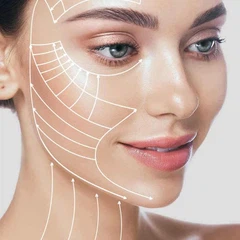



High-Intensity Focused Ultrasound (HIFU) is a non-invasive therapeutic modality that has garnered widespread attention in recent years-particularly in the fields of facial rejuvenation and body contouring-due to its distinctive characteristics: "no incisions, no downtime, and remarkable results."
However, as with any medical technology, HIFU treatment carries potential risks and is no exception to this rule. Ranging from transient skin redness and swelling to rare instances of nerve damage, and from minor blistering to persistent skin depressions, these complications not only compromise treatment outcomes but may also inflict significant physical and psychological distress upon patients seeking aesthetic enhancement.
Consequently, the question of how to effectively prevent and manage potential complications-while simultaneously enjoying the ideal therapeutic results offered by HIFU technology-is a critical issue that demands the attention of both consumers and practitioners within the medical aesthetics industry.
What are HIFU treatment contraindications?
Strictly speaking, contraindications vary depending on the specific HIFU device. Before treatment, it is essential to consult the device-specific contraindication guidelines and local regulatory requirements.
Treatment should be postponed or avoided if you or your patient fall into any of the following categories:
Pregnancy or breastfeeding: There is insufficient safety data regarding cosmetic HIFU use in these situations; as a precaution, it is generally recommended to wait until the patient has consulted a qualified medical professional regarding the timing of treatment.
Open wounds or active infections: Do not treat areas with open skin wounds, active herpes outbreaks, bacterial infections, severe inflammatory lesions, or other untreated pathological conditions.
Unexplained or active lesions: If the intended treatment area contains suspicious lumps, skin lesions, or known or suspected malignancies, medical evaluation is required before considering cosmetic energy-based treatment.
Implanted electronic devices or other implants: For pacemakers, cochlear implants, neurostimulators, pumps, and other implants, contraindication status depends on the specific device and treatment area; the manufacturer's specific operating instructions must be strictly followed.
Areas containing contraindicated implants or materials: Some device manuals advise against direct treatment over specific metal implants, medical implants, or dermal fillers; as these requirements are specific to the device and treatment site, patients must accurately disclose the type and location of any implants or injectable materials.
If contraindications are unclear, treatment should be postponed until a practicing physician has reviewed the device manual and the patient's medical history.
Situations Requiring Individualized Assessment
Certain factors do not constitute absolute contraindications but may affect patient safety and entail specific risks:
• Recent procedures in the intended treatment area, such as dermal fillers, biostimulators, botulinum toxin (Botox), thread lifts, laser treatments, chemical peels, or surgery.
• Use of anticoagulants or antiplatelet drugs, which may increase the risk of bruising; patients must truthfully disclose such medication use and must not discontinue prescribed medications without the guidance of the prescribing physician.
• History of facial nerve paralysis, facial sensory abnormalities, or other neurological disorders.
• Extremely thin skin, limited subcutaneous tissue, or significant facial volume loss; these conditions may lead to excessive thermal injury or unintended contour changes.
• Active autoimmune skin disease, uncontrolled underlying medical conditions, or impaired healing capacity.
• History of atrophic or hypertrophic scarring.
HIFU areas to avoid or treat with special caution
Before undergoing HIFU treatment, it is advisable to familiarize yourself with certain areas that should generally be avoided-unless the specific HIFU device's manual explicitly permits treatment in these zones and the operator has received appropriate training.
Major Blood Vessels and Vital Nerves
These are critical areas that must be avoided or carefully localized during HIFU treatment. Improper treatment depth, excessive energy levels, or overlapping pulses could lead to pain, sensory abnormalities, or motor nerve symptoms.
Thyroid Gland, Thyroid Cartilage, and Trachea
The thyroid gland, thyroid cartilage, and trachea must be avoided during HIFU treatments aimed at facial or neck skin tightening.
Eyelids and Orbital Areas
The skin of the eyelids and the tissue surrounding the eyes are thin, and the internal structures of the eyeball are delicate; accidental thermal injury could result in damage.
Bony Prominences and Areas with Minimal Soft Tissue Coverage
Areas such as the temples, zygomatic arches (cheekbones), mandibular borders (jawline), forehead, and other bony prominences often have limited tissue cushioning. Depending on the device and transducer used, the energy delivered could cause significant periosteal pain or result in incorrect treatment depth.
Does HIFU treatment have any side effects?
Although HIFU is widely promoted as being "safe and non-invasive," various side effects can still occur in clinical practice. Based on their severity, these can be categorized into the following three levels:
Common Side Effects
Following the procedure, you may experience localized skin redness, swelling (edema), or mild tingling and tenderness to the touch. You may also observe scattered bruising caused by ruptured capillaries, as well as skin dryness and flaking (a normal reaction following temporary disruption of the skin's natural lipid barrier). These are all normal post-treatment phenomena that will subside quickly; they require no significant intervention and will not interfere with your daily routine or social activities.
Rare Potential Complications
- Blistering or Burns: Improper technique or the use of excessively high energy levels can result in thermal injury; if not treated appropriately, this may lead to residual hyperpigmentation or scarring.
- Post-Inflammatory Hyperpigmentation: This is observed most frequently in individuals with darker skin tones or those who fail to strictly adhere to sun protection protocols after treatment.
- Facial Nerve Injury: A rare form of temporary nerve damage that causes numbness, manifesting as symptoms such as asymmetry of the mouth, incomplete eyelid closure, or the disappearance of forehead lines.
- Facial Contouring Irregularities (Depressions): This results from atrophy of subcutaneous fat or excessive damage to the fascial layer, conditions that are unlikely to resolve spontaneously.
To learn more about the side effects of HIFU treatment, please read: What Are The Side Effects Of Hifu Treatment
Causes of These Side Effects
Understanding the underlying causes of potential side effects associated with HIFU treatment allows for proactive preventive measures.
Operational Factors
- Lack of Anatomical Knowledge: The practitioner fails to accurately identify the specific pathways of facial nerve branches, resulting in the application of excessive energy within high-risk zones.
- Excessive Energy Accumulation: This occurs due to repeated passes over the same area, probes being positioned too closely together, or the use of excessively high energy levels per single pulse.
- Incorrect Depth Selection: Using probes designed for deeper penetration in areas with thin skin (such as the lower eyelids or neck) leads to excessive damage to underlying tissues.
- Improper Technique: The probe is not in firm contact with the skin, the sliding speed is inconsistent, or the treatment head is held at an incorrect angle.
Patient Factors
- History of Previous Treatments: Patients who have recently received dermal fillers, Botox injections, thread lifting, or ablative laser treatments have altered tissue conditions; undergoing HIFU treatment subsequently may trigger unpredictable reactions.
- Skin Condition: The risk of complications is elevated in patients with active acne, skin infections, or a severe predisposition to keloid scarring.
- Medication Use: The use of anticoagulant medications, non-steroidal anti-inflammatory drugs (NSAIDs), or certain traditional Chinese medicines may increase the risk of bleeding and bruising.

Equipment and Consumable Factors
- Equipment Malfunction: Unstable energy output, or actual output values that deviate significantly from the preset parameters.
- Probe/Consumable Issues: The use of non-original (third-party) probes, or probes that have exceeded their maximum recommended usage limit.
Post-Treatment Care Factors
- Failure to Strictly Avoid Sun Exposure: Ultraviolet (UV) radiation acts as a trigger that induces or exacerbates post-inflammatory hyperpigmentation.
- Premature Exposure to High Heat: Activities such as using saunas, applying hot compresses, or engaging in strenuous exercise can aggravate local inflammatory reactions.
- Scratching or Improper Handling: Picking at or mishandling the treated area can lead to the rupture of blisters, resulting in secondary infections and an increased risk of permanent scarring.
How to Safely Mitigate Potential Risks Associated with HIFU Treatment?
Once aware of the potential risks that HIFU treatment may entail, we can take targeted measures and implement preventive safeguards in advance to ensure both the safety and efficacy of the procedure.
Prior to treatment, it is imperative to select an experienced clinician who holds a valid professional license; this helps prevent complications such as nerve damage or unwanted fat loss. Additionally, you must fully disclose your medical history-including any allergies or existing health conditions-to the doctor to avoid contraindications. A face-to-face consultation ensures that the proposed treatment plan is precisely tailored to your specific symptoms and desired outcomes.
Furthermore, for at least 2 to 4 weeks leading up to the procedure, avoid undergoing other aesthetic treatments-such as chemical peels, laser therapy, or dermal injections-in the targeted area, so as to prevent any interference with the HIFU treatment.
During the procedure, if you experience any pain that feels intolerable, you must immediately alert the practitioner; such discomfort may indicate that the energy parameters or probe depth settings are inappropriate.

Post-treatment care is equally crucial, as it significantly influences the realization of long-term results. When venturing outdoors, be sure to apply a high-SPF sunscreen and combine it with physical sun protection (such as wearing a hat, face mask, or UV-protective clothing) to prevent post-inflammatory hyperpigmentation. To minimize inflammation, avoid exposure to high-heat environments-including hot showers, baths, or saunas-for at least 24 to 48 hours following the treatment.
Additionally, staying well-hydrated is essential, as it supports the body's natural healing processes. Finally, refrain from using skincare products containing harsh or irritating ingredients for at least one week after the procedure.
Who is HIFU Treatment Most Suitable For?
- Individuals with mild to moderate skin laxity:
Those aged 30–55 who exhibit facial sagging that has not yet reached a severity requiring surgical facelift.
- Those with an undefined jawline:
Individuals with a moderate amount of subcutaneous fat and reasonably good skin elasticity.
- Individuals with localized fat accumulation:
Those with stubborn fat deposits in areas such as the abdomen, flanks, or thighs, provided there is no severe accompanying skin laxity.
- Those seeking non-invasive treatment:
Aesthetic patients who wish to avoid the risks associated with surgery, as well as the lengthy recovery periods.
High-Risk Groups for HIFU Treatment
The following individuals are considered to be at relatively or absolutely high risk regarding HIFU treatment; they should undergo a prudent assessment and consult with a medical professional before making a decision.
- Individuals with excessively thin or fragile skin.
- Individuals who have recently undergone other facial treatments.
- Individuals with neurological disorders or a history of facial paralysis.
- Individuals with a severe predisposition to keloid scarring.
- Individuals with blood clotting disorders.
- Pregnant or breastfeeding women: Due to insufficient evidence regarding safety, this is generally considered a contraindication.
As a leading example of non-invasive aesthetic treatments, the safety of HIFU technology rests upon a foundation of rigorous pre-treatment assessment, precise intra-operative execution, and comprehensive post-treatment management.
For operators of aesthetic clinics, a deep understanding of the mechanisms underlying potential complications-coupled with a skilled command of response strategies-is not merely an act of responsibility toward patients, but also a vital safeguard for their own business.
For patients, a rational understanding of the technology's benefits and risks-along with the prudent selection of a reputable facility and an experienced practitioner-constitutes the fundamental guarantee of receiving safe and effective treatment.

When administering HIFU (High-Intensity Focused Ultrasound) therapy, the safest approach is to avoid applying a standardized treatment protocol to all patients or anatomical sites. Practitioners should be familiar with HIFU contraindications and assess each patient's suitability for the procedure based on their individual circumstances. Together, these steps support preventing hifu potential complications without overstating the benefits or minimizing the risks.
Furthermore, HIFU treatment should be performed by appropriately trained and qualified professionals using equipment and protocols suitable for the intended indication. If a patient's medical history is unclear or the equipment instructions are ambiguous, the best course of action is to postpone the treatment.
Technological advancement does not signify the elimination of risk, but rather an enhanced capacity to identify, prevent, and control it. Regardless of the specific aesthetic medical procedure one undergoes, safety must always be the paramount priority.
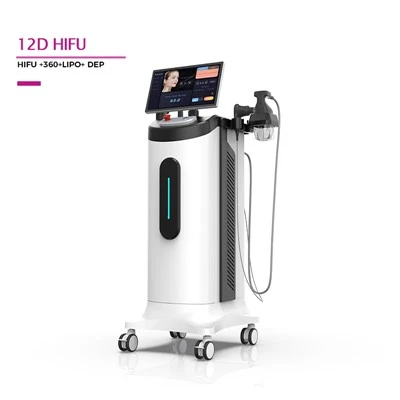
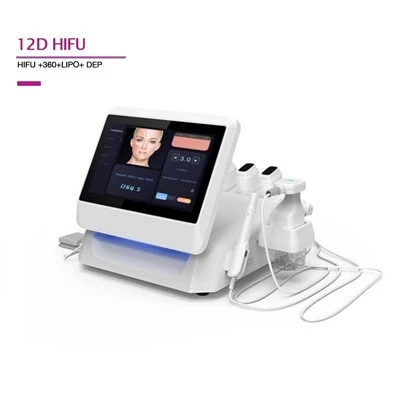
Click here to read more about HIFU equipment; this information will serve as a valuable reference when selecting a HIFU device for your clinic or beauty salon.