



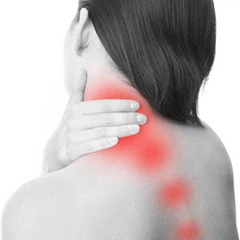


Tattoo removal has become increasingly popular in recent years, thanks to laser technology that can safely and effectively remove excess ink. But one of the most common questions people ask before undergoing tattoo removal surgery is: Does tattoo removal leave scars?
In short, usually not - if performed correctly by a trained professional using modern equipment and with proper post-operative care, tattoo removal surgery generally does not leave scars. However, there are some exceptions, and knowing about them can help you make an informed choice and minimize your risks.
How Laser Tattoo Removal Works?
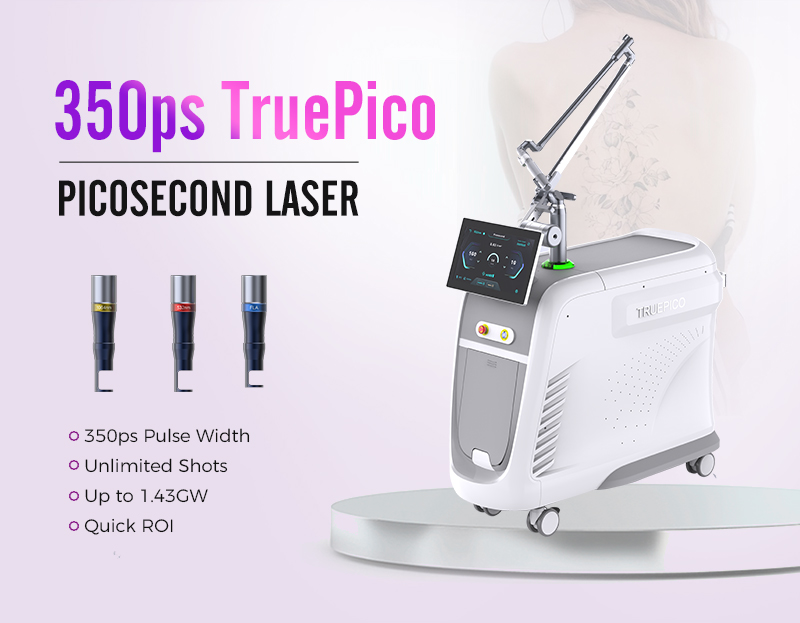
Laser tattoo removal uses high-intensity light pulses to break down tattoo ink particles embedded in the dermis layer of the skin. These broken-down particles are then gradually flushed out by your body's immune system.
Modern technologies such as Q-switched lasers and picosecond lasers are designed to target ink with precision while minimizing damage to surrounding skin tissue. When performed correctly, the skin typically heals without leaving scars.
Common Side Effects vs. Scarring
It's important to distinguish between normal side effects and actual scarring:
| Side Effect | Is It Normal? | Duration |
|---|---|---|
| Redness and swelling | ✅ Yes | Few hours to 2 days |
| Blistering and scabbing | ✅ Yes | 1–2 weeks |
| Temporary pigment changes | ✅ Yes | Several weeks to months |
| Textural changes | ⚠️ Sometimes | Usually temporary |
| Permanent scarring | ❌ Rare | May be long-term |
Blisters and scabs are a normal part of the healing process and should not be picked at, as this increases the risk of scarring.
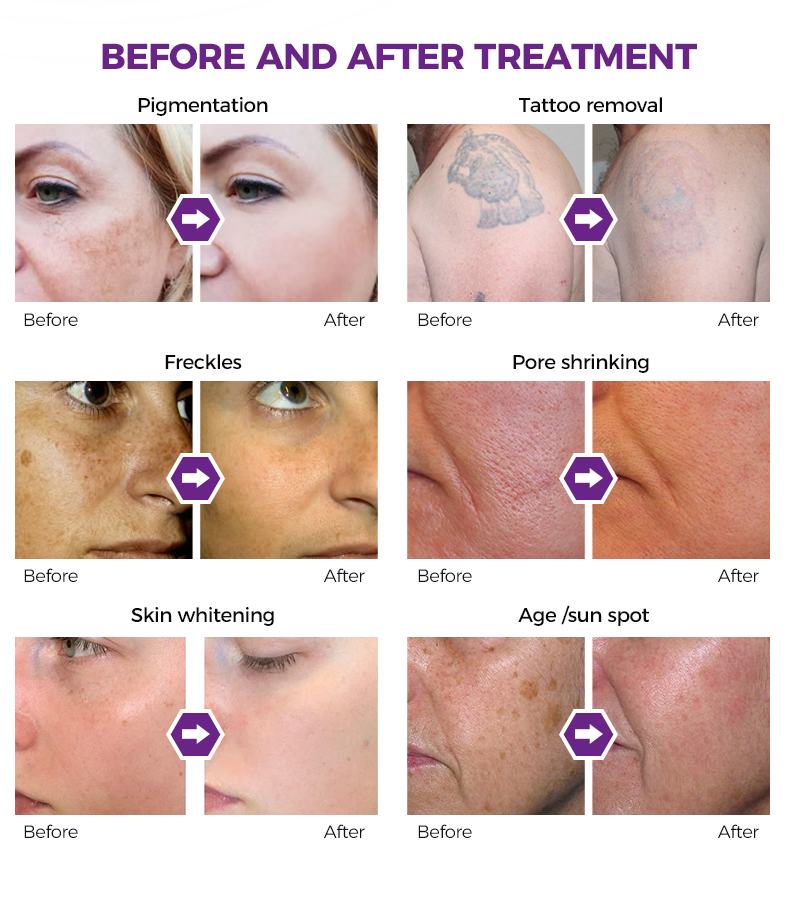
What Causes Scarring After Tattoo Removal?
Although rare, scarring can occur due to the following factors:
1. Improper Technique
If the technician uses excessive laser energy or treats the area too aggressively, it can cause thermal damage to the skin, resulting in scars.
2. Inexperienced Provider
Tattoo removal should always be performed by a certified medical professional or trained laser specialist. Unqualified operators may misuse the equipment.
3. Pre-existing Scar Tissue
If the tattoo was originally applied with heavy ink or if you already had scar tissue in the area, removing the tattoo may highlight or aggravate that tissue.
4. Poor Aftercare
Failing to follow aftercare instructions-such as exposing the area to sunlight, picking at scabs, or using harsh chemicals-can lead to complications and scarring.
5. Skin Type and Genetics
Some individuals are prone to keloids or hypertrophic scars due to genetic predisposition. If you have had unusual scarring in the past, be sure to tell your healthcare provider.
How to Minimize Scarring Risk
✅ Choose an Experienced Provider
Always choose a licensed clinic that specializes in tattoo removal and uses FDA-approved laser devices such as PicoWay, PicoSure, or Q-switched Nd:YAG.
✅ Get a Skin Assessment
A skin test can be performed to assess how your skin will respond to laser treatment, especially for clients with dark skin or a history of scarring.
✅ Follow Post-Operation Care Instructions
Proper post-operative care can significantly reduce the risk of complications:
- Keep the treated area clean and dry
- Avoid direct sunlight
- Antibiotic ointment is recommended
- Avoid scratching or picking at the treated area
- Wear loose clothing to reduce friction
✅ Stay Hydrated and Healthy
During your recovery, boost your immune system by staying hydrated, eating nutritious foods, and avoiding smoking or drinking alcohol.
What to Do If Scarring Occurs?
In the rare event that you develop a scar after tattoo removal, here are some options:
- Silicone scar gels or sheets: Help flatten and lighten scars over time.
- Microneedling: Can improve skin texture by stimulating collagen.
- Fractional CO2 laser treatments: Used to resurface the skin and reduce the appearance of scars.
- Steroid injections: For hypertrophic or keloid scars, a dermatologist may recommend corticosteroid treatments.
It's essential to consult a skin specialist to determine the best course of treatment for any long-term marks.
While scarring from laser tattoo removal is rare, it is not impossible. The good news is that most patients experience little to no lasting marks when treated by skilled professionals using the right equipment and care protocols.
By understanding the process, selecting a reputable provider, and committing to proper aftercare, you can greatly reduce your chances of scarring and achieve clean, healthy skin after your tattoo is gone.
Interested in Laser Tattoo Removal Equipment or Training?
At NewAngie, we offer advanced tattoo removal systems such as Q-switched Nd:YAG and picosecond lasers, trusted by clinics worldwide for their effectiveness and safety. Whether you're a practitioner or clinic owner, contact us for expert guidance and wholesale pricing.
WhatsApp: +86 18713519520
Email: info@newangie.com
Web: https://www.newangie.com/


