



For those seeking aesthetic enhancement, even with today's advanced beauty technologies and their impressive therapeutic outcomes, the lengthy recovery periods and inherent risks often deter many potential patients. Consequently, finding the optimal balance between efficacy and safety remains a central concern shared by both clinicians and patients alike. While traditional ablative lasers yield remarkable results, they cannot fully guarantee safety; conversely, while non-ablative lasers offer safety, they sometimes struggle to achieve truly satisfactory therapeutic outcomes.
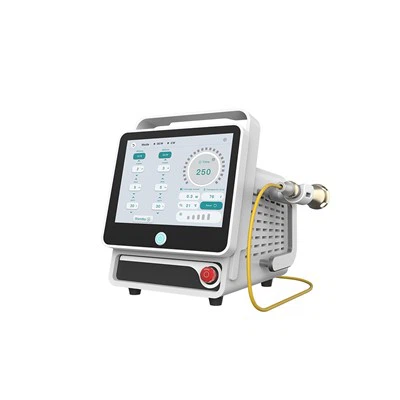
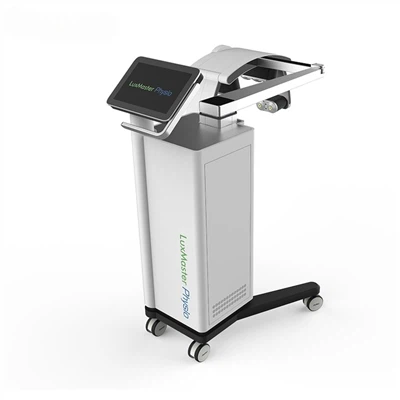
The advent of the 1927nm Thulium laser offers a novel solution to this dilemma. Its unique wavelength characteristics position it precisely at the intersection of "non-ablative" and "ablative" effects, enabling it to effectively target both the epidermis and the superficial dermis while keeping side effects to an absolute minimum. This article provides a systematic overview of the principles, indications, advantages, and safety profile of the 1927nm Thulium laser, serving as a comprehensive guide for its application.

Key Summary
- The 1927nm wavelength effectively targets water within the epidermis, utilizing fractional thermal injury to stimulate the skin's natural self-repair mechanisms.
- The 1927nm Thulium laser is highly effective for treating pigmentation issues and improving overall skin texture.
- It offers a balance of efficacy and safety, features a short recovery period, is suitable for individuals with darker skin tones, and yields high patient satisfaction.
- An average of three treatment sessions-spaced approximately four weeks apart-are typically required, with results lasting for several months.
- The vast majority of modern medical aesthetic clinics have adopted this technology to provide patients with comprehensive solutions for a wide range of skin concerns.
What is a 1927nm Thulium Laser? How Does It Work?
The 1927nm thulium laser is a fractional laser device operating within the near-infrared spectrum, primarily utilized for skin resurfacing, pigment removal, and skin rejuvenation. Its exceptional efficacy is largely attributed to the absorption coefficient of water at this specific wavelength.
When a laser interacts with the skin, its primary target chromophore is the water contained within the tissue. Different laser wavelengths are absorbed by water to varying degrees:
- 1440nm Laser: Exhibits a relatively low water absorption coefficient and acts primarily within the dermis.
- 2940nm Er: YAG Laser: Possesses an extremely high water absorption coefficient and is classified as a strongly ablative laser.
- 1927nm Laser: Its water absorption coefficient falls between the two aforementioned wavelengths, positioning it within a transitional zone between "non-ablative" and "ablative" treatments.
This characteristic endows the 1927nm thulium laser with unique versatility. It is capable of treating a wide range of skin concerns-specifically those located within the top 200 microns of the skin's surface-such as hyperpigmentation, melasma, rough skin texture, and uneven skin tone. Furthermore, because water absorption rates drop rapidly below the epidermis, the 1927nm wavelength can effectively improve skin condition without generating excessive heat or causing unnecessary thermal damage to the underlying dermis.
In other words, it can generate a continuous spectrum of effects ranging from sub-epidermal non-ablative stimulation to superficial ablation; this specific outcome is controlled by adjusting the laser's pulse energy:
- Low Energy Settings (3mJ): The effect is primarily confined to the epidermis, creating sub-epidermal micro-fissures.
- High Energy Settings (15–20mJ): Thermal effects expand laterally and penetrate deeper, reaching into the superficial dermis.
During treatment, the laser is delivered in a fractional pattern, creating microscopic zones of thermal injury-known as "Microthermal Treatment Zones" (MTZs)-within the skin. These microthermal zones are surrounded by intact, healthy skin tissue, which facilitates rapid healing and recovery. The damaged tissue is naturally metabolized by the body, transported to the epidermal surface, and subsequently shed, while simultaneously stimulating the synthesis and remodeling of new collagen.
What Skin Concerns Can Be Treated with the 1927nm Thulium Laser?
The 1927nm Thulium laser is highly regarded for its ability to effectively address a wide range of skin concerns. It demonstrates exceptional precision and efficacy in treating pigmentation issues and improving overall skin condition. Through 1927nm Thulium laser treatments, you can effectively resolve various skin issues you wish to correct.


Photoaging
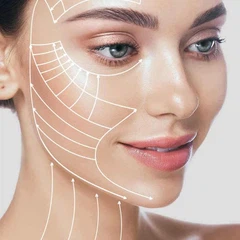
This is the most common and well-established indication for this laser. The 1927nm Thulium laser can significantly refine skin texture, transforming rough skin into a finer, smoother surface; it corrects uneven skin tone, brightens dull complexions, and improves overall color uniformity. Furthermore, it eliminates fine lines and wrinkles-particularly the delicate lines around the eyes and mouth-and effectively addresses enlarged pores while enhancing skin firmness.
Pigmentary Disorders
The 1927nm Thulium laser is effective against a variety of pigmentary issues, excelling particularly in the treatment of epidermal and superficial pigmentation concerns, such as melasma, solar lentigines (sunspots), freckles, and age spots.
Acne Scars
The 1927nm Thulium laser yields definitive results in treating atrophic acne scars (pitted scars). Its therapeutic efficacy is comparable to that of the 2940nm Er: YAG laser, yet it offers a superior safety profile and a shorter recovery period.
Actinic Keratosis
This condition is a precancerous skin lesion caused by prolonged sun exposure. The 1927nm Thulium laser has been proven to be an effective treatment option for clearing these precancerous lesions.
Advantages of 1927nm Thulium Laser for Skin Regeneration
Compared to other laser technologies, the 1927nm Thulium laser offers the following core advantages in the field of skin regeneration:
Precise and Controllable Depth of Action
Leveraging its unique water absorption coefficient, the 1927nm laser can precisely target the epidermis and the superficial dermis-the very layers where photoaging and pigmentation issues are most concentrated. Compared to the deeper-penetrating 1550nm laser, the 1927nm laser is better suited for treating epidermal concerns.
Shorter Recovery Period
Unlike traditional ablative laser treatments, which typically require an extended recovery period, 1927nm Thulium laser treatment entails an extremely short downtime. Patients can resume their daily routines and work very quickly after treatment, making it an ideal option for individuals who do not have sufficient time available for skin recovery.
Safety for Individuals with Darker Skin Tones
For individuals with darker skin tones (Fitzpatrick skin types III–VI), post-inflammatory hyperpigmentation represents a primary risk associated with laser treatments. Due to its non-ablative or micro-ablative characteristics, the 1927nm Thulium laser has demonstrated an excellent safety profile within this demographic, with severe adverse reactions occurring rarely.
Is 1927nm Thulium Laser Treatment Safe?
1927nm Thulium laser treatment is widely considered to be a safe skin resurfacing therapy. This laser treatment offers significant efficacy with minimal invasiveness, making it suitable for superficial skin resurfacing, addressing pigmentation issues, and skin rejuvenation. Studies indicate high patient satisfaction rates and a very low incidence of adverse reactions. When administered correctly, it is safe for all skin types-including darker skin tones-and can be utilized to treat post-inflammatory hyperpigmentation.
How many sessions of 1927nm Thulium laser treatment are required?
To achieve optimal results, 3 to 4 sessions are typically needed to improve skin texture and treat sun damage or melasma. These sessions are spaced 4 to 6 weeks apart to allow for skin healing. For the treatment of acne scars, 5 to 6 sessions are recommended. While some improvements may be visible early on, the specific number of sessions required should be determined by a qualified professional based on your unique skin concerns and treatment goals.
The 1927 nm Thulium laser compared to lasers of other wavelengths
When exploring laser treatment options, it is crucial to understand the differences between the 1927nm Thulium laser and other technologies-such as the Er:YAG laser, CO₂ laser, or 1550nm Erbium laser.
| Laser Type | wavelength | Mechanism of Action | Primary Indications | Recovery Period | Safety for Dark Skin Tones |
|---|---|---|---|---|---|
| 1927 nm Thulium Laser | 1927nm | Non-ablative to minimally ablative | Pigmentation, Photoaging, Superficial Scars | Short (1–3 days of peeling) | High |
| 1550 nm Erbium-Glass Laser | 1550nm | Non-ablative | Wrinkles, Scars (Primarily Dermal) | Short | Higher |
| 2940 nm Er:YAG Laser | 2940nm | Ablative | Deep Wrinkles, Deeper Scars | Long (7–14 days) | Lower |
| 10640 nm CO₂ Laser | 10640nm | Ablative | Severe Photoaging, Deep Scars | Very Long (2–4 weeks) | Low |
Compared to ablative lasers, the 1927nm laser features a significantly shorter recovery period and a lower risk of post-inflammatory hyperpigmentation; however, the results of a single treatment are relatively mild, necessitating multiple sessions to achieve comparable outcomes.
Compared to the 1550nm non-ablative laser, the 1927nm laser targets shallower depths and is more effective for addressing epidermal pigmentation issues. The two are frequently used in combination to achieve "full-layer" skin rejuvenation.
For more information on buying The Latest 1927nm Thulium Laser, please visit https://www.newangie.com/for-clinics-the-latest-1927nm-thulium-laser-buying
Conclusion
Distinguished by its unique water absorption characteristics, the 1927nm Thulium laser has pioneered a precise therapeutic niche within the field of aesthetic medicine-one characterized by an overlap between non-ablative and micro-ablative treatment modalities. It effectively addresses common concerns such as pigmentation irregularities, photoaging, and superficial scarring; moreover, thanks to its brief recovery period and exceptional safety profile, it stands as an ideal treatment option suitable for a broad spectrum of patients-including those with darker skin tones.
As medical aesthetic technologies continue to advance, the future prospects for the application of the 1927nm Thulium laser are poised to become even more expansive. If you are considering undergoing this treatment, it is highly recommended that you select an experienced medical facility and physician capable of formulating a personalized treatment plan tailored to your specific condition, thereby ensuring the attainment of optimal therapeutic results.