


Introduction
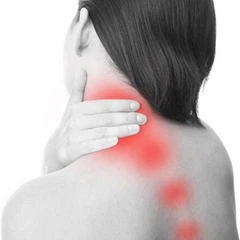
Do you frequently experience muscle soreness after high-intensity training or competition, and sometimes even suffer accidental muscle strains? Such sports injuries are inevitable for athletes and those who exercise regularly. Traditional recovery methods such as rest, stretching, and massage can alleviate discomfort to some extent, but their effectiveness is often limited for deep tissue injuries or long-standing musculoskeletal problems. Therefore, shockwave therapy is increasingly being widely adopted in the field of sports medicine and rehabilitation, becoming a modern, non-invasive solution for muscle recovery. This article will systematically introduce the principles of shockwave therapy, the types of sports injuries it is suitable for, and its core advantages in sports rehabilitation.

What Is Shockwave Therapy?
Shockwave therapy is a non-invasive treatment that stimulates the body's natural healing mechanisms through high-energy sound waves. Unlike surgery or medication, shockwave therapy does not require breaking the skin's surface; instead, it precisely applies mechanical energy to the affected tissue from outside the body. This therapy is widely used for various sports-related musculoskeletal problems, such as tendon injuries, muscle tension, and chronic pain caused by overuse or repetitive stress.
Types of Shockwave Therapy
There are generally two types of shockwave therapy methods: radial shockwave therapy and focused shockwave therapy. Each has its own characteristics, as described below.
|
Type |
Radial Shockwave Therapy |
Focused Shockwave Therapy |
|
Energy distribution |
Dispersed over a wider area |
Concentrated at a specific depth |
|
Treatment depth |
Shallow to medium tissues |
Deep tissue penetration |
|
Typical applications |
Muscle tightness, general pain |
Tendon injuries, chronic conditions |
|
Common users |
Physiotherapy & sports clinics |
Orthopedic & rehabilitation centers |
How Shockwave Therapy Helps Muscle Recovery


The core physiological mechanism by which shockwave therapy accelerates muscle recovery involves the transmission and transformation of mechanical stress, which activates muscle tissue repair pathways, improves the microenvironment, and regulates inflammatory responses. This can be divided into the following five key aspects:
Mechanical Stress Activates Cell Repair Pathways
Shockwaves apply pulsed mechanical energy to muscle fibers and surrounding connective tissue, providing a gentle, controlled stretching stimulus to the cells. This mechanical stimulation promotes the activation of myoblasts. Myoblasts are key cells in muscle repair. Their proliferation and differentiation contribute to the regeneration of damaged muscle fibers and encourage collagen production, making the repaired muscle structure more stable and resilient.
Improved Local Blood Circulation and Oxygen Supply
Shockwaves optimize local muscle blood supply through two pathways:
• Directly acting on vascular smooth muscle, promoting vasodilation and increasing local blood flow;
• Stimulating the release of angiogenesis-related factors, promoting the formation of new microvessels.
Sufficient blood supply delivers more oxygen and nutrients to the damaged muscle tissue, while simultaneously accelerating the removal of lactic acid and inflammatory metabolites, creating a favorable microenvironment for repair.
Regulating Inflammatory Response and Accelerating Inflammation Resolution
Muscle injury is accompanied by an acute inflammatory response. Moderate inflammation is a prerequisite for repair, but excessive inflammation can delay recovery.
The effect of shockwaves is reflected in the bidirectional regulation of inflammation:
• In the early stages, it helps immune cells clear necrotic tissue.
• In the recovery phase, it reduces the release of pro-inflammatory factors and promotes the production of anti-inflammatory factors, shortening the duration of inflammation and reducing the risk of chronic inflammation and tissue fibrosis.
Relieving Muscle Spasms and Pain
Muscle injury is often accompanied by spasms and pain, and pain can further induce continuous muscle contraction, forming a vicious cycle.
The mechanical vibration of shockwaves acts on receptors that regulate muscle tension, helping to reduce excessive muscle excitability and relieve spasms. At the same time, it can inhibit the transmission of pain signals and promote the release of the body's own analgesic substances, thereby quickly reducing pain and allowing the muscle to return to a relaxed, repairable state.
Releasing Adhesions and Restoring Muscle Elasticity
In cases of repeated injury or prolonged immobilization, adhesions easily form between muscles, fascia, and tendons, limiting the range of motion and increasing the risk of re-injury. The physical effects produced by shockwaves in the tissue help to loosen these adhesions, break down stiff scar tissue, and restore the gliding motion between muscles and surrounding tissues.
Sports Injuries That Benefit from Shockwave Therapy
As a non-invasive treatment method, shockwave therapy is not a panacea, but it is most effective in treating the following sports injuries:

Tendinitis

Muscle Strains and Tears

Plantar Fasciitis

Tennis Elbow/Golfer's Elbow

Chronic Muscle Strain
Why Choose Shockwave Therapy Over Traditional Treatments?
The preference for shockwave therapy stems not only from its effectiveness but also from its ability to provide a viable alternative to traditional treatments that typically rely on medication or surgery.
Reduced Reliance on Medication
Long-term use of painkillers can lead to gastrointestinal discomfort or other side effects. Shockwave therapy, however, works by physically stimulating the source of pain without involving medication, making pain relief safer.
Avoidance of Surgical Intervention
Surgery often means higher risks and longer recovery periods. As a non-invasive option, shockwave therapy offers a non-surgical solution for various musculoskeletal problems.
Fast and Efficient Treatment
In practice, shockwave therapy is also more time-efficient. Treatment sessions are short, and there is no recovery period, allowing patients to resume normal work and life immediately after treatment.
Safe and Easy to Use
This therapy is known for its safety and non-invasiveness, making it an excellent choice for those seeking an effective pain management solution.
What to Expect During and After Shockwave Therapy Treatment
During Treatment
• A single treatment session typically lasts 10-20 minutes.
• Mild discomfort may be experienced during the treatment, which is normal and well-tolerated by most people.
• If you experience discomfort, please inform your therapist.
After Treatment
• Mild soreness may occur after treatment and usually subsides within 24-48 hours.
• It is recommended to avoid strenuous exercise for a short period after treatment.
• Depending on the specific condition, significant improvement is usually felt after several treatment sessions.
Why Choose Shockwave Therapy Equipment from Newangie?


ESWT (Extracorporeal Shockwave Therapy) is primarily implemented using radial and focused shockwave therapy machines. As a professional supplier of shockwave therapy machines, Newangie offers shockwave therapy equipment with the following features:
• Wide range of treatment applications
• No surgery or medication required
• Each treatment takes only 20 minutes
• Rapid improvement in 5-10 sessions
• FDA/CE certified and compliant with international standards
• OEM/ODM solutions available
Our company provides you with full-cycle services support:
• Continuous technical training
• Targeted marketing solutions
• Guaranteed global delivery support
• One-year warranty
Conclusion
As a modern therapeutic approach in sports medicine, shockwave therapy offers a reliable solution for muscle recovery and the treatment of sports injuries due to its safety, non-invasiveness, and high efficacy. It can activate the body's own repair mechanisms, helping athletes and sports enthusiasts recover to their optimal condition more quickly and stably. A shockwave therapy machine is an essential piece of equipment for performing shockwave therapy. Contact us today to find the best shockwave therapy machine for your needs.