
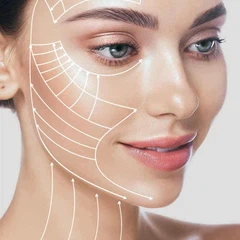



From filling deep pitted scars and lifting a sagging jawline to refining and minimizing enlarged pores, RF microneedling delivers more than just surface-level skin improvement-it fundamentally transforms the skin's underlying structure.
Widely recognized in the global medical aesthetics industry as the "ultimate all-around restorative treatment," it leverages exceptional collagen remodeling capabilities to achieve visible, age-defying results with minimal downtime. It is highly acclaimed by consumers and serves as a key driver for professional clinics looking to boost client satisfaction and retention rates.
For clients interested in the treatment but still undecided, seeing real-world results acts as a powerful catalyst for making that decision. This guide addresses the question: "Is RF microneedling really as effective as people say?" We provide an in-depth analysis of its core advantages, reveal the key factors that determine the ceiling of its effectiveness, and explore the genuine business value and clinical significance behind this high-impact investment.
What is RF Microneedling?
RF Microneedling (Radiofrequency Microneedling) is a minimally invasive cosmetic procedure widely recognized in the medical aesthetics industry as a highly effective anti-aging treatment. It seamlessly combines microneedling-which induces collagen production-with the thermal tightening effects of radiofrequency energy to stimulate the synthesis of collagen and elastin in the deeper layers of the skin. Designed for skin rejuvenation and tightening, it is particularly effective for addressing concerns such as acne scars, fine lines, skin laxity, uneven skin tone, and rough texture.
Unlike traditional microneedling, this procedure utilizes ultra-fine, gold-plated needles to penetrate the skin to specific depths, instantly delivering controlled radiofrequency thermal energy at the needle tips. This dual-action approach targets the dermis directly to trigger deep collagen remodeling without causing excessive thermal damage to the epidermis-as lasers might-making it suitable for a wide range of skin tones (Fitzpatrick Skin Types I–VI).
Why Is RF Microneedling a Global Trend in Skin Rejuvenation?
RF microneedling is more than just a cosmetic procedure; it is a powerful tool for medical aesthetic clinics to attract clients and build a strong reputation. Its enduring global popularity stems from five key differentiating advantages.
Comprehensive Versatility
By combining microneedling with RF thermal energy, the treatment simultaneously addresses a range of stubborn issues, including wrinkles, skin laxity, acne scars (pockmarks), enlarged pores, and stretch marks. For clinics, a single device can meet the vast majority of dermatological treatment needs.
Precision Dermal Delivery
Unlike lasers that primarily target the surface, RF microneedling allows for precise adjustment of needle depth (0.5mm–3.5mm) based on the treatment area (e.g., around the eyes, cheeks, or abdomen). Energy bypasses the epidermis to reach the deep dermis directly; this "inside-out" remodeling approach ensures deep, long-lasting results.
Non-Surgical Facelift
It is hailed as the pinnacle of non-surgical anti-aging treatments. The immediate collagen contraction triggered by RF energy provides instant tightening, while long-term neocollagenesis achieves a natural lifting effect, avoiding the unnatural stiffness and high risks associated with surgical facelifts.
Minimal Downtime & Safe for All Skin Types
RF microneedling offers inherent advantages in protecting the epidermis, significantly reducing the risk of post-inflammatory hyperpigmentation (PIH). This makes it a safe anti-aging choice for darker skin tones (Fitzpatrick types IV–VI). For busy urbanites, the minimal downtime makes "lunch-break treatments" a viable option.
High ROI for Clinics
Thanks to the striking visual impact of "before-and-after" results, RF microneedling boasts conversion and repeat-visit rates far higher than standard light- or energy-based treatments. Coupled with steady revenue from consumables (disposable sterile needle tips), it has become a core growth driver for boosting profitability in aesthetic clinics.
Before-and-after comparison of RF microneedling treatment
Understanding the general recovery process in advance helps manage client expectations.
| Period | Phenomena | Scientific Explanation |
|
Immediate Phase (1–3 hours post-treatment) |
Skin redness, swelling, and heat, accompanied by a burning sensation similar to a mild sunburn. |
Collagen fiber contraction: RF energy causes immediate contraction of subcutaneous collagen fibers, providing an initial tightening effect. |
| Short-term Repair Phase (3–7 days post-treatment) |
Redness and swelling largely subside; tiny, visible micro-scabs may appear on the surface, and the skin may feel slightly rough to the touch. | Barrier reconstruction and metabolism: The skin enters a period of rapid metabolism. Internal repair mechanisms are fully activated; intensive hydration and physical sun protection are required. |
| Intermediate Phase (4–6 weeks post-treatment) |
Skin texture becomes noticeably refined, pores tighten, the depth of acne scars (pits) decreases, and fine lines fade. | Neocollagenesis: This is the peak period for treatment results; fibroblasts produce large amounts of new collagen, filling in skin depressions and improving elasticity. |
| Long-term Phase (3–6 months post-treatment) |
Deep tissue remodeling is complete; skin tightness reaches its peak, and facial contours are significantly enhanced. | Dermal structural reorganization: Collagen and elastic fibers achieve optimal structural alignment, ensuring long-lasting, stable results. |
*It is recommended to evaluate the need for follow-up sessions during the long-term stabilization phase to consolidate the results.
Clinical Support: A landmark study published in Dermatologic Surgery indicates that, following fractional radiofrequency microneedling treatment, biopsy samples revealed a significant increase in Type I and Type III collagen content within the dermis, alongside a nearly 400% increase in elastin density. Additionally, the wound-healing response triggered by thermal injury resulted in an average increase of approximately 15%–25% in overall dermal thickness after three months.
Source: Hantash, B. M., et al. "Bipolar fractional radiofrequency treatment induces neoelastogenesis and neocollagenesis." Dermatologic Surgery (2009).
Clinical assessments of moderate facial laxity showed an average improvement of 1.6 points (on a 4-point scale) in laxity scores six months post-treatment, demonstrating exceptional results for a non-surgical lifting procedure. Furthermore, data from large-scale multicenter studies indicate an overall patient satisfaction rate of 92% with microneedle radiofrequency treatment.
Source: Luebberding, S., et al. "Radiofrequency in Cosmetic Dermatology." Journal of Cosmetic and Laser Therapy (2014).
Real Results, Real Satisfaction: Voices from Our Global Clients

Real Results, Real Satisfaction
Voices from Our Global Clients


Here is genuine feedback from Karla, a client in Puerto Rico. After just a single treatment, her previously loose abdominal skin showed significant tightening. The comparison images clearly demonstrate a marked reduction in skin folds across the lower abdomen and a visible improvement in skin tension.
This immediate, "skin-smoothing" transformation stems from the precise delivery of radiofrequency energy to the dermis. It not only triggers the immediate contraction of collagen fibers but also initiates the skin's long-term self-repair process. For addressing postpartum skin laxity or managing skin changes following body contouring, this high level of efficacy is precisely why microneedle radiofrequency is favored by clinics worldwide.
Key Factors for Achieving Exceptional "Before & After" Results
Why do some people see dramatic skin improvements with the same treatment, while others experience only mediocre results? This is no coincidence; treatment outcomes are influenced by several key factors.
Energy Output Stability
High-quality RF microneedling devices (such as the Newangie professional series) ensure that the energy released in every pulse is consistent and precise. Significant energy fluctuations can lead to uneven heating-compromising results-or even cause epidermal burns due to momentary energy spikes. Stable energy output is the foundation of effective treatment.
Intelligent Impedance Monitoring & Visualization
Every individual's skin differs in moisture content, thickness, and electrical conductivity (impedance). Impedance monitoring technology adjusts output power based on real-time feedback from the skin at different treatment sites. Devices with impedance visualization allow practitioners to see exactly whether energy is being delivered precisely to the dermis, ensuring maximum efficacy within safe limits.

Consumable Needle Technology & Quality
- Gold-plated needles: Offer excellent biocompatibility, ensure more uniform thermal energy conduction, and reduce the risk of allergic reactions.
- Insulated vs. non-insulated options: Insulated needles release energy only at the tip, protecting the epidermis from thermal damage-ideal for anti-aging treatments on darker skin tones. Non-insulated needles provide full-depth heating, making them better suited for acne scar repair and deep skin rejuvenation. Needle sharpness directly determines patient comfort during insertion and the speed of post-treatment recovery.
Customized Treatment Solutions
Skin thickness varies widely, ranging from 0.5mm around the eyes to 3.5mm on the abdomen. Skilled practitioners can precisely adjust needle insertion depth. Tailoring energy density and insertion depth to the client's specific needs is the key to achieving personalized aesthetic results.
Expected Outcomes: What to Expect from Your Treatment?
Tightens loose skin
Defines the jawline
Reduces double chin
Refines skin texture
Minimizes enlarged pores
Balances oil secretion
Improves rough, dull skin
Fades stretch marks and growth marks
Improves body skin firmness
Improvement of acne scars
In a study involving 30 patients with moderate-to-severe acne scarring, 75% of patients demonstrated significant improvement (an upgrade of at least one grade on the Goodman & Baron Scale) following three sessions of fractional radiofrequency microneedling, with an objective improvement rate of 50%–70% in the depth of acne pits.
Source: Cho, S. I., et al. "Evaluation of the clinical efficacy of fractional radiofrequency microneedling for acne scars." Journal of Cosmetic and Laser Therapy (2012).
How can you prepare your skin for the treatment?
Achieving optimal results requires precise pre-treatment care. To ensure the even transmission of radiofrequency energy and minimize the risk of sensitivity, the following steps are recommended:
2 weeks prior:
Discontinue the use of products containing high concentrations of retinoids (Vitamin A acid), AHAs (alpha-hydroxy acids), salicylic acid, or physical exfoliants. These ingredients can compromise the skin's barrier function, increasing the risk of excessive irritation or redness post-treatment.
1 week prior:
Avoid sunbathing or excessive sun exposure; treatment is not recommended for skin suffering from active sunburn or inflammation.
Consult your doctor about temporarily discontinuing blood-thinning medications or supplements to reduce the likelihood of bruising after the procedure.
3 days prior:
Radiofrequency energy conducts more evenly and efficiently in tissues with high water content. A three-day regimen of intensive hydration treatments boosts moisture levels in the dermis, effectively enhancing comfort during the procedure and promoting rapid collagen regeneration afterward.
Post-Treatment Care: Maximizing Your Transformation
Post-treatment care is a crucial factor influencing the results of RF microneedling:
Within 72 hours post-treatment
The skin is in a state of heightened sensitivity. Cleanse the area using only medical-grade sterile repair dressings and normal saline. Strictly avoid consumer skincare products containing alcohol, fragrances, or preservatives to prevent allergic dermatitis.
One week post-treatment
The skin's natural defense against UV radiation is significantly compromised. Strict sun protection using physical barriers (such as parasols or wide-brimmed hats) is mandatory. Once the skin barrier has fully healed, apply a gentle, high-SPF sunscreen to prevent post-inflammatory hyperpigmentation (PIH).
Synergistic Enhancement
The post-treatment period is a "golden window" for product absorption. Incorporating exosomes, EGF, or high-purity hyaluronic acid can accelerate basement membrane repair, reduce downtime by approximately 30%, and amplify the ultimate collagen-boosting results.
Gentle Exfoliation Control
The appearance of fine scabs is a normal part of the healing process. Do not pick or scratch at them; allow them to shed naturally over 5–7 days to ensure the newly formed epidermis remains smooth and even-toned.
Equipment Investment Analysis: Understanding RF Microneedle Machine Costs
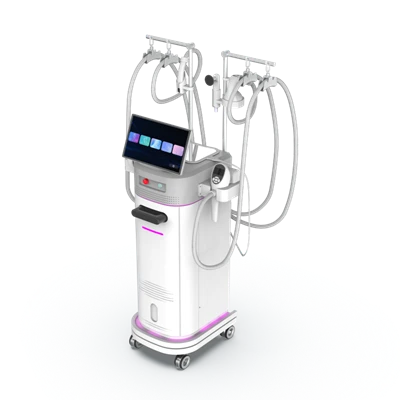
Create a comprehensive solution for efficient human theft manag
Product drawing


| Device Level | Price Range | Features & Scenarios | Profit Potential |
| Entry-Level / Portable Devices | $2,000 – $5,000 | Features: Compact size; utilizes basic RF technology. Scenarios: Start-up studios or small beauty salons; primarily for basic skin rejuvenation treatments. |
Low investment, low gross margin: Minimal initial financial outlay, but energy stability limitations make it difficult to support high-ticket, deep-repair treatments. |
| Professional-Grade Platforms | $8,000 – $25,000+ |
Features: Integrated smart impedance monitoring, visual interfaces, and multiple output modes. Examples: Professional series (e.g., Newangie) featuring high-precision control systems. |
High conversion, strong reputation: Exceptional safety and impressive clinical results (Before & After); ideal for professional clinics aiming for high-ticket pricing and long-term brand reputation. |
| Consumables & Marginal Profit | Depends on unit price of needle tips | Key Factor: Quality and biocompatibility of disposable, sterile, gold-plated needle tips. Logic: High-quality tips effectively reduce the risk of post-procedure allergic reactions and shorten recovery time. |
Core Profit Driver: High-quality equipment supports higher-priced treatment packages; significant results lower customer acquisition costs, leading to a faster ROI (typically 3–6 months to break even). |
Choosing the Right Supplier: A Strategic Decision Beyond Price
In the aesthetic device market, the initial purchase price of RF microneedling equipment is just one small part of the overall picture. Whether the project yields long-term profitability or entails medical risks depends entirely on the supplier you choose.
- Certifications: Does the supplier hold CE, FDA, or ISO certifications? These are fundamental to import/export compliance and clinical safety.
- Technical Support and Training: Does the supplier provide professional operation manuals, video training, and guidance on clinical parameters?
- After-sales Responsiveness: What are the warranty policies for core components? Is rapid repair support available?
- Brand Reputation: Does the company have a long-standing business track record and positive customer reviews within the aesthetic equipment industry?
FAQ
Q: Is RF microneedling painful?
A: A topical anesthetic is applied before the procedure. During treatment, you may experience only a mild stinging sensation and a feeling of heat; the discomfort is manageable for most people and generally considered mild to moderate.
Q: How many sessions are usually needed to see significant results?
A: While results can be seen after a single session, a full course of 3–5 treatments (spaced 4–6 weeks apart) is recommended. Collagen regeneration is a cumulative process, and a complete treatment series yields longer-lasting results.
Q: What is the specific downtime after the procedure?
A: Redness and swelling typically subside within 24–72 hours. Tiny micro-scabs may appear 3–5 days post-treatment but usually fall off naturally within a week. You can resume normal social activities the day after the procedure.
Q: How does RF microneedling differ from standard microneedling?
A: Standard microneedling relies solely on the skin's healing response to physical injury. RF microneedling incorporates thermal energy that penetrates deep into the dermis to induce collagen contraction, making it far superior to traditional microneedling for skin tightening, lifting, and repairing acne scars.
Q: Is RF microneedling safe for darker skin tones?
A: It is very safe. Because the energy targets the deep dermis while bypassing the epidermis, it effectively minimizes the risk of post-inflammatory hyperpigmentation (PIH) compared to laser treatments, making it a preferred anti-aging option for darker skin tones.