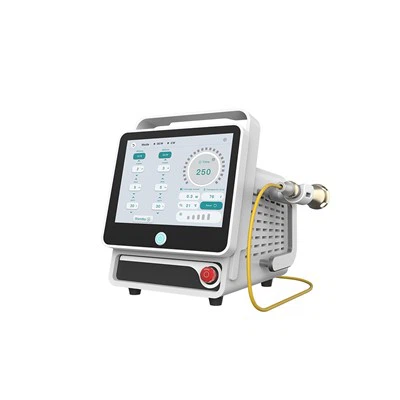

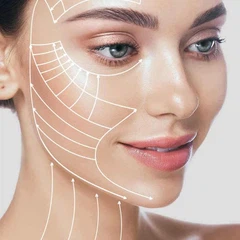



In the field of aesthetic dermatology, fractional CO2 laser therapy is hailed as the ideal choice for scar treatment. Whether addressing the acne scars and marks that plague countless young people, surgical scars left behind by trauma, or even the wrinkles etched onto the face by the passage of time, fractional CO2 lasers offer a tangible and effective solution. This technology combines the powerful ablative capabilities of traditional CO2 lasers with the minimally invasive philosophy of the fractional mode, striking a balance between remarkable results and controllable risks; consequently, it has become a highly favored technique among dermatologists and aesthetic practitioners alike.
However, as fractional CO2 laser therapy is, by nature, an ablative and invasive procedure, the post-treatment recovery care, patient selection, and treatment scheduling all directly influence the final outcome. Therefore, this article will provide a comprehensive and systematic guide to fractional CO2 laser treatment, examining it from multiple perspectives.
What is Fractional CO2 Skin Resurfacing Technology?
The ingenuity of this design lies in its "focal photothermal effect": the laser creates numerous microscopic zones of thermal injury within the skin; however, each injured zone is surrounded by intact, healthy tissue. This surrounding healthy tissue facilitates rapid wound healing. Consequently, the technique preserves effective therapeutic action on the target tissue while significantly shortening recovery time and minimizing the risk of adverse reactions.
How does CO2 laser resurfacing work?
The fractional CO2 laser operates at a wavelength of 10,600 nm, which is efficiently absorbed by the water content within skin tissue. When the laser beam strikes the skin, the water within the tissue instantly absorbs the energy and vaporizes, thereby enabling the precise cutting, vaporization, or coagulation of the tissue.

By employing a fractional scanning pattern, the beam is fractionated into a multitude of tiny micro-beams-each with a diameter of less than 500 μm-creating a regularly arranged pattern of microscopic thermal injury zones on the skin surface. These micro-injury zones penetrate directly into the dermis, instantly vaporizing and ablating aged tissue while simultaneously generating a thermal stimulus.
Crucially, areas of intact, normal tissue remain preserved around each micro-injury zone; this facilitates the rapid activation of the skin's natural repair mechanisms, stimulating fibroblasts to synthesize abundant new collagen and elastic fibers. Consequently, this approach achieves therapeutic outcomes-including deep collagen remodeling, skin tightening and lifting, and scar repair-with minimal invasiveness.
What conditions can be treated with Fractional CO2 Laser?
The clinical applications of Fractional CO2 Laser are extensive, yielding significant and long-lasting results.
Scar Treatment:
Improves the texture and appearance of scars by smoothing the skin surface. It effectively treats depressed acne scars, traumatic scars, surgical scars, hypertrophic scars, and more.
Skin Aging and Wrinkles:
Fractional CO2 Laser stimulates collagen regeneration, thereby effectively addressing issues such as skin laxity and loss of elasticity; it also efficiently eliminates wrinkles and fine lines.
Skin Texture Improvement:
Various skin concerns-such as enlarged pores, rough skin texture, and uneven skin tone-can be effectively improved through Fractional CO2 Laser treatment.
Treatment of Benign Skin Growths:
Including skin tags, flat warts, syringomas, seborrheic keratoses, and similar conditions.
Benefits of Fractional CO2 Skin Treatments
Fractional CO2 laser treatment offers the following advantages:
- Minimal Trauma:
Avoids the extensive damage to surrounding healthy tissue typically associated with traditional continuous-wave CO2 lasers.
- Relatively Rapid Recovery:
Wound healing takes 5–10 days, averaging 7 days.
- Quick Results:
Improvements in skin texture and tone are generally observable on the very day the treatment concludes; furthermore, results gradually intensify as continuous collagen production takes place.
- Broad Applicability:
Effective in treating a wide variety of skin concerns.
- Long-Lasting Effects:
With proper post-treatment care, the therapeutic results can be sustained for an extended period.
Post-Treatment Care: How to Best Maintain Results
Laser treatment is crucial for achieving optimal results.
Immediate Care (Days 1–3)
- Gentle Cleansing: Cleanse your face 2–4 times daily using lukewarm water and a mild cleanser, or as directed by your physician.
- Reducing Swelling: Immediately after treatment, apply cold compresses (for 10–15 minutes); when sleeping, elevate your head with pillows to minimize facial swelling.
Recovery Phase (Days 4–10)
- Do Not Pick: Your skin will begin to flake and peel. Do not pick, rub, or exfoliate the skin, as this may lead to scarring.
- Transitional Care: As your skin heals, you may switch to a gentle moisturizer; however, continue to apply Aquaphor to any areas that remain dry or red.
- Pain/Itch Management: As advised by your physician, Tylenol (acetaminophen) or ibuprofen may be used to alleviate discomfort, while Benadryl (diphenhydramine) can help relieve itching.
Long-Term Care (Beyond 1 Week)
- Sun Protection: Your newly regenerated skin is extremely susceptible to sun damage. Avoid direct sun exposure completely during the first few weeks; thereafter, apply a broad-spectrum mineral sunscreen (SPF 30+) daily.
- Resuming Skincare: Please wait for your physician's approval before resuming the use of retinoids, Vitamin C, or other active skincare products; this is typically permitted after 2–4 weeks.
How many sessions are required to achieve optimal results?
The therapeutic effects accumulate gradually, typically reaching their peak approximately three months after the final treatment session.
Some individuals may require additional treatments to achieve satisfactory results.
The effects typically last for about 1 to 3 months; as time passes, the results may begin to diminish. You may consult your physician regarding further treatment.
Does fractional CO2 laser treatment have side effects?
Fractional CO2 laser therapy is an ablative, invasive treatment. While generally considered safe, it does carry a risk of certain side effects and adverse reactions. For instance, post-treatment symptoms such as skin redness, mild swelling, and crusting may occur; however, the vast majority of these reactions are temporary-considered normal post-operative responses-and will subside quickly without interfering with your daily life or work.
Nevertheless, certain rare complications may arise, including hypertrophic scarring, persistent erythema (redness), permanent pigmentary changes, and burns. In the vast majority of cases, these complications result from excessive energy levels, improper parameter settings, equipment malfunction, or a lack of experience on the part of the practitioner.
Key Factors Influencing the Risk of Side Effects
Physician Factors:
Experienced physicians can precisely select energy parameters based on the patient's skin type and the severity of the condition, thereby avoiding excessive treatment depth or excessive overlap of laser pulses.
Equipment Factors:
Certified medical devices provide stable energy output, ensuring a higher level of safety.
Patient Factors:
Individuals with a predisposition to keloid formation (scarring diathesis), photosensitivity disorders, a history of recent sun exposure, or poor compliance (inadequate post-operative care) face a higher risk.
Post-operative Care:
Sun protection is the critical factor in preventing post-inflammatory hyperpigmentation, while infection prevention serves as the fundamental basis for ensuring a safe recovery.
Conclusion
Fractional CO2 laser treatment is a mature and effective skin treatment technology that has demonstrated remarkable results in resolving and improving various skin problems. However, this technology also places higher demands on both doctors and patients-doctors need to precisely control the indications and treatment parameters, while patients need to fully understand the recovery process and strictly adhere to post-operative care.
Choosing a reputable medical institution, communicating thoroughly with your doctor, and making proper preparations before and after treatment are fundamental principles for achieving ideal results and minimizing risks. After reading this guide to fractional CO2 laser technology, you will be fully prepared before undergoing CO2 treatment.