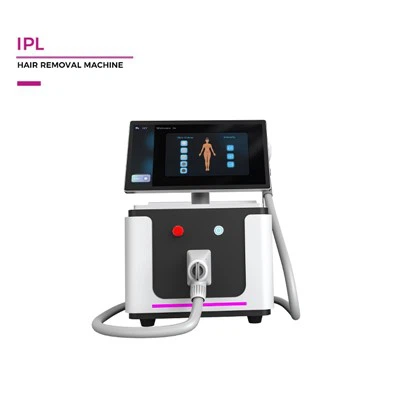

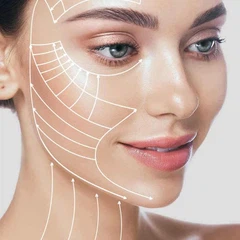



Undoubtedly, most people have beauty concerns, such as excessive hair growth, poor skin condition, stubborn acne scars and pits, sunspots, and melasma. However, resolving these issues requires multiple treatments, which is quite expensive for most people. IPL devices offer a cost-effective solution, requiring only one device to meet both hair removal and skin rejuvenation needs.
Beginners may not be familiar with this device, so I've provided this IPL device user guide for your reference.
Overview:
- IPL's ability to emit light of multiple wavelengths allows it to treat a variety of cosmetic conditions.
- Pre- and post-treatment care is crucial for any cosmetic treatment. Following the guidelines provided ensures better results while maintaining your safety.
- Newangie's high-performance IPL laser devices offer safe and effective solutions for hair removal, skin whitening, skin rejuvenation, and pigmentation treatments.
- Not everyone is a suitable candidate for IPL treatment. If you are unsure, consult a professional beforehand.
- Strictly speaking, there is no such thing as permanent hair removal, but IPL devices can help you permanently reduce hair. After several treatment sessions, you will achieve long-term, stable hair removal results.
Working principle of intense pulsed light (IPL)
IPL (Intense Pulsed Light) is a type of skin-penetrating, broadband light with a wavelength range of 420nm to 1200nm. This means it can emit pulses of multiple wavelengths, which are absorbed by target pigment clusters and converted into heat energy. It targets specific structures and chromophores, heating and destroying them, which are then reabsorbed by the body. Unlike laser therapy, the broadband nature of IPL allows it to treat a variety of diseases, achieving a "one-stop shop" effect.
What conditions can IPL technology treat?
Hair Removal
The light pulses emitted by the IPL device penetrate the skin to reach the hair follicle. Absorbed by melanin, they are converted into heat energy, damaging the follicle and inhibiting its ability to produce new hair. This process puts the hair into a resting phase; over time, the hair will naturally fall out, and when it regenerates, it will be finer, softer, and less abundant.


Improving Pigmentation
The pulsed light emitted by IPL is absorbed by pigment cells and converted into heat energy, breaking them down into smaller fragments. These tiny pigment particles are eliminated from the body through natural metabolism, causing dark spots to fade or disappear, resulting in a brighter, more even skin tone.
Reducing Redness and Capillary Rupture
By damaging small blood vessels, it effectively treats rosacea, spider angiomas, and other redness and swelling caused by ruptured capillaries.
Treating acne
IPL can reduce active acne and fade acne scars, thereby promoting a clearer complexion.


Improving Skin Texture
In addition to breaking down pigment, the heat generated by IPL treatment can stimulate the production of collagen and elastin, thus helping to improve skin texture and firmness.
Precautions for using an IPL hair removal device
Before Treatment:
-
Avoid Sun Exposure:
Using IPL hair removal on freshly tanned or sunburned skin may cause severe irritation or even hyperpigmentation. Therefore, avoid sun exposure and the use of tanning beds or tanning products for at least two weeks before treatment.
-
Patch Test:
To ensure you don't have an adverse reaction to IPL, it's best to perform a patch test on a small, inconspicuous area at least 24 hours before your first full treatment session. This will help you determine the most suitable intensity level for you.
-
Do Not Wax or Pluckle:
Using wax or plucking to remove unwanted hair in the target area will obstruct the IPL light therapy, resulting in poor hair removal results. You can gently shave the surface hair with a razor before treatment. This keeps the skin smooth and avoids the irritation associated with waxing, allowing for better IPL hair removal results.
-
Keep the Treatment Area Clean:
To avoid infection, you need to keep the treatment area clean and free of lotions, oils, or deodorants before treatment.
Post-treatment Care:
- After each IPL hair removal treatment, post-treatment care is necessary to stabilize your skin and prepare it for the next treatment.
- Avoid hot baths or showers, saunas, and swimming in chlorinated pools for at least 24 hours after the treatment.
- Do not use irritating skincare products on the treated area for several days.
- Apply soothing lotion or aloe vera gel to calm the skin.
- Avoid direct sunlight as much as possible. When going out, always apply high-SPF sunscreen and wear UV-protective clothing.
Contact a Specialist If Necessary
If you are using a high-quality, safe IPL device, serious side effects are rare. However, carelessly using inferior devices can make your skin more susceptible to damage.
Therefore, if you experience extreme redness, burning, inflammation, or any adverse side effects, please contact your doctor.
How to Buy a High-Quality and Safe Hair Removal Device?
Safety is the primary consideration when purchasing beauty equipment. However, this alone is not enough; high quality and high performance are also essential. Therefore, we recommend Newangie's IPL devices.
What are the benefits of purchasing an IPL device from Newangie?
- Purchasing an IPL device can address multiple skin problems, including hair removal, acne-induced pigmentation, skin whitening and regeneration, sun damage, and acne scars.
- By changing filters or the handpiece, specific wavelengths can be output for treatment based on different skin conditions or needs.
- Newangie has its own IPL laser machine factory, with a professional quality inspection team conducting quality checks during the production process to ensure long-term machine use and reduce maintenance costs.
- Compared to other hair removal devices, the Newangie IPL laser machine is suitable for various hair colors and skin tones.
- It is easy to operate, requiring only minimal training, and is affordably priced, eliminating the need for high upfront costs.
Frequently Asked Questions about IPL Equipment Use
When should IPL treatment be avoided?
+
-
- Darker skin tone: People with darker skin (Fitzpatrick IV-VI) are more prone to hyperpigmentation.
- Tanned skin: If you have a tan, avoid treatment to prevent heat damage to the skin surface.
- Pregnant women, people with active acne or taking acne medications such as isotretinoin, and people with certain eye conditions.
- Lighter hair color: IPL hair removal is not very effective for people with very light blonde, red, gray, or white hair.
- Having conditions that cause photosensitivity or severe skin damage (such as deep wrinkles or severe acne).
Is its effect permanent?
+
-
No, the effect of IPL is not permanent, but it can be maintained for a long time with regular maintenance treatments.
For hair removal, IPL can significantly reduce hair growth, but dormant hair follicles or new hair generated due to hormonal changes may still appear, so regular maintenance treatments are needed to maintain long-term results.
For skin problems such as pigmentation, IPL can treat existing damage, but it cannot prevent new sunspots or aging, so continuous care and touch-ups are also needed to maintain the effect.
How many treatment sessions are needed?
+
-
Generally, most skin problems require 3 to 6 treatment sessions, typically spaced 2 to 4 weeks apart, to allow the skin time to heal and for the effects to become apparent.
However, the specific number of treatment sessions may vary depending on the skin problem being treated, skin type, and individual response. You can consult a professional to determine the number of treatments you need to achieve your desired results.