




Introduction
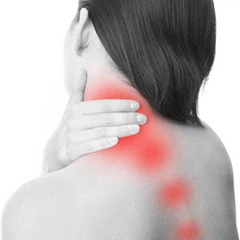
Chronic pain often persists and recurs over long periods, severely impacting patients' quality of life. Many traditional treatments, such as medication, injections, or surgery, are invasive, have numerous side effects, and slow recovery. Extracorporeal shock wave therapy (ESWT), as a non-invasive technique, has garnered significant attention due to its high safety and rapid recovery. This article will delve into the biological mechanisms of ESWT and analyze the application strategies of ESWT at different intensities in various diseases.

Three Major Biological Effects of Extracorporeal Shock Wave Therapy (ESWT) on Tissue Repair
Extracorporeal shock wave therapy (ESWT) is a non-invasive physical therapy technique that utilizes high-energy shock waves (mechanical waves) to penetrate the skin and tissues. Through biological mechanisms such as mechanical stress, cavitation effect, and analgesia, ESWT can activate tissue repair, promote blood circulation, and relieve inflammation and pain. Shock waves have high penetrability, reaching directly to the lesion, making them suitable for the treatment of musculoskeletal disorders and chronic pain.
Mechanical Effects
Shock waves are high-intensity mechanical pressure waves. The mechanical pulses they transmit exert gentle traction and compression on tissues, loosening adhesions in tendons, fascia, and other soft tissues, breaking down stubborn connections between calcifications and surrounding tissues, promoting the contraction and relaxation of vascular smooth muscle, improving local blood circulation, and delivering sufficient oxygen and nutrients to ischemic damaged tissues.
Cavitation Effect
Shock waves induce cavitation in body fluids, forming microbubbles that naturally expand and burst with pressure changes. The localized energy released during this process can loosen diseased tissue, increase cell membrane permeability, accelerate the excretion of metabolic waste, and reduce the accumulation of inflammatory factors, thereby removing obstacles to cell regeneration and tissue repair.
Biochemical Effects
Shockwaves can directly block the transmission of pain signals to the central nervous system, while simultaneously promoting the release of natural analgesics such as endorphins, thus achieving immediate and lasting analgesia. More importantly, it can also activate various repair-related factors, accelerate the proliferation and differentiation of fibroblasts and osteoblasts, promote collagen synthesis and bone tissue regeneration, and inhibit the activity of pro-inflammatory factors, breaking the vicious cycle of "pain-inflammation."
Two Core ESWT Technologies: Wide Coverage and Deep-Focused Treatment
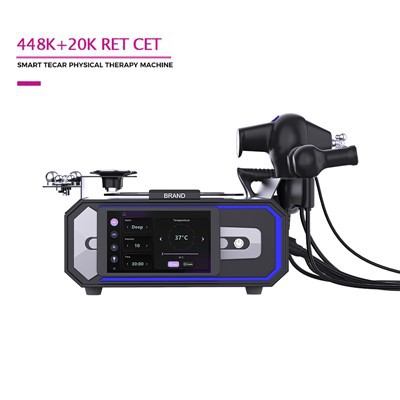
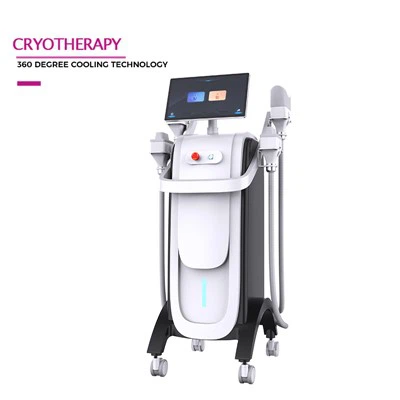
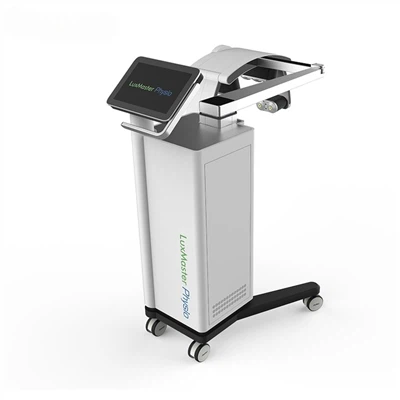
In the field of extracorporeal shock wave therapy, mainstream equipment can be divided into two core types based on the energy propagation method: radial shock wave equipment and focused shock wave equipment. Newangie can provide both types of equipment to meet your different treatment needs.

Radial Shockwave Therapy Machine

Focused Shockwave Therapy Machine
Clinical Applications of Shockwave Intensities: Matching Energy Levels to Treatment Needs
The therapeutic effect of shockwave therapy is directly related to its energy intensity. Different intensities trigger different tissue response mechanisms, ranging from superficial analgesia to deep tissue regeneration. To ensure therapeutic efficacy and safety, clinical practice typically categorizes shockwave therapy into three levels: low, medium, and high intensity, based on the type of condition.
Low-Intensity Shockwave
Low-intensity shockwaves provide gentle energy without causing tissue damage. Instead, they promote repair through a "biostimulation" mechanism. In ED treatment, low-intensity shockwaves can penetrate deep into the corpus cavernosum, activating local vascular endothelial cells through mechanotransduction, promoting neovascularization, and improving microcirculation. Simultaneously, they stimulate the release of growth factors, enhancing penile hemodynamics and fundamentally improving erectile function. This intensity is safe, comfortable, requires no anesthesia, and is well-tolerated by patients.
Medium-Intensity Shockwave
Medium-intensity shockwaves can penetrate deeper into soft tissues. Their mechanisms of action include inhibiting hypersensitive pain nerve endings, improving local metabolism, and accelerating fascial repair. In treating conditions such as plantar fasciitis, medium-intensity shockwaves release fascial adhesions through cavitation effects and micromechanical stimulation, reducing the accumulation of inflammatory metabolites and promoting fascial rearrangement, thereby improving tissue elasticity and function. This therapeutic energy remains well-tolerated even for patients with high pain sensitivity, making it suitable for most chronic fascial problems.
High-Intensity Shockwave
High-intensity shockwave energy possesses strong penetrating power, reaching deep bone and tendon attachment points. It generates more significant mechanical stimulation, triggering controlled microtrauma and initiating a powerful tissue repair response. It can break up calcified deposits in tendons or the shoulder, accelerate cell metabolism, and promote bone remodeling, making it ideal for treating deep lesions such as chronic tendinopathy, periosteal irritation, and delayed fracture healing. Although the treatment is powerful, its clinical efficacy is significant, making it an important means of addressing deep lesions.
Conclusion
Extracorporeal shock wave therapy (ESWT) has become a safe, effective, and versatile solution for treating a variety of chronic pain and musculoskeletal disorders. ESWT activates the body's own repair mechanisms, improves blood circulation, and provides lasting pain relief through its mechanical, cavitation, and biochemical effects. Shock waves of varying intensities can be precisely targeted to address diverse clinical needs, helping to improve conditions ranging from fasciitis to deep tendinopathy and even erectile dysfunction.
Newangie, a professional energy-based aesthetic device manufacturer with in-house R&D and production capabilities, offers high-quality radial and focused shock wave devices capable of effectively treating both superficial and deep lesions. Please contact us for product information.