




Introduction
Extracorporeal shock wave therapy (ESWT) is a non-invasive physical therapy that uses high-energy shock waves to act on damaged tissue, promoting blood circulation, reducing pain, and accelerating tissue repair. In recent years, with the increasing demand for musculoskeletal disease and chronic pain management, ESWT has received growing attention in the fields of rehabilitation, orthopedics, and physical therapy. This article will detail the mechanism of action, clinical efficacy, and safety of ESWT to help readers fully understand the application value of this therapy.

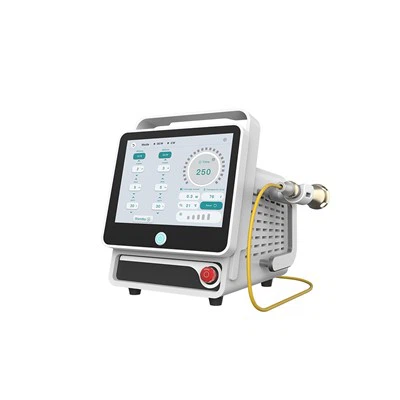
What is an ESWT Device?
Definition
Extracorporeal Shock Wave Therapy (ESWT) is a physical therapy that delivers high-energy shock waves to deep tissues non-invasively to promote repair and relieve pain.
Basic Principle
The core principle of ESWT is to convert mechanical energy into biostimulation signals. When the shock wave enters the tissue, it triggers a series of biological responses and stimuli, including enhanced local microcirculation, increased cell metabolism, tissue regeneration, and neuromodulation, thereby improving pain and accelerating healing.
Types of ESWT Devices
• Focused ESWT (F-ESWT): Concentrated energy and deep penetration, suitable for deep tissues, such as nonunion of bones, deep tendinitis, and hip injuries.Newangie's FSWT Focused Shockwave Therapy Machine uses electrohydraulic energy generation, offering higher peak energy, stronger penetration, and deeper treatment depth compared to other focused technologies.
• Radial Pressure Wave (RPW): Energy diffuses radially, primarily used for superficial soft tissue injuries, such as plantar fasciitis and tennis elbow.
Core Mechanisms of ESWT
The clinical efficacy of extracorporeal shock wave therapy (ESWT) primarily stems from the synergistic action of three major mechanisms: mechanical action, biological repair, and neuromodulation. This multi-layered response allows ESWT to not only relieve pain but also promote long-term tissue repair.

Physical Mechanical Effects
• Mechanical Stress: The shock wave generates instantaneous high pressure within the tissue, mechanically loosening adhesions and simultaneously breaking down calcifications, restoring tissue elasticity and mobility.
• Cavitation Effect: The shock wave induces microbubbles in the tissue fluid; the rapid collapse of these bubbles creates propulsion, improving local microcirculation and promoting tissue repair.
Biological Repair Effects
• New Blood Vessel Formation: The shock wave activates the body's repair signals, promoting new blood vessel growth, providing damaged tissue with more oxygen and nutrients, and accelerating healing.
• Anti-inflammatory Repair: By inhibiting the release of inflammatory factors, ESWT reduces local inflammation; simultaneously, it activates the activity of fibroblasts and osteoblasts, promoting collagen synthesis and bone tissue repair.
• Regulating Cellular Metabolism: Shockwaves enhance cell permeability, promoting nutrient absorption and metabolic waste removal, thus improving tissue repair efficiency.
Neuromodulation Effects
• Reduced Pain Sensitivity: ESWT reduces nerve sensitivity to pain stimuli, weakening pain signals and reducing discomfort.
• Higher Pain Threshold: The treatment process stimulates the body to release natural analgesics, allowing patients to experience less pain during daily activities.
Key Clinical Benefits of ESWT
Compared to other drug and surgical treatments, ESWT offers the following advantages:
• No Surgery Required: No incisions or anesthesia are required, reducing the risk of infection and postoperative complications.
• Long-lasting Results: Symptom improvement is more lasting by promoting tissue repair rather than simply relieving pain.
• Minimal Downtime: Patients can quickly resume daily activities after treatment, without affecting their work or life.
• Broad Applicability: Particularly suitable for the elderly, patients sensitive to medication, or those who cannot tolerate surgery. Newangie's Radial Shockwave Therapy Machine features 13 working heads to relieve pain in multiple areas of the body.
It has demonstrated stable and reproducible efficacy in multiple clinical areas, making it of significant value for patients with chronic pain.

Chronic Pain Relief
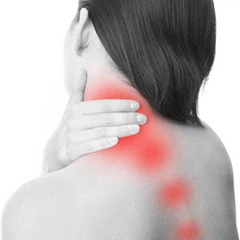
ESWT effectively relieves common chronic pain issues such as rotator cuff inflammation, tennis elbow, and Achilles tendinitis. After the shockwave penetrates deep into the affected area, it reduces local inflammation, promotes metabolism and circulation, and improves the elasticity of affected tissues, thereby gradually reducing pain.
01
Enhanced Bone Healing
In cases of nonunion fractures, stress bone injuries, or early-stage femoral head necrosis, ESWT can enhance the bone repair process by stimulating osteocyte activity, improving local blood supply, and promoting callus formation. After treatment, bone metabolism in the damaged area increases, and bone tissue reconstruction is more efficient, thus shortening healing time and reducing the need for surgery.
02
Adhesion Release & Mobility Improvement
Shockwaves can soften locally stiff tissues, increase tissue gliding, and promote the rearrangement of fibrous structures, gradually expanding the range of motion of the joint and reducing stiffness and traction pain. For patients with long-term limitations, ESWT often significantly improves functional performance and accelerates the recovery of normal mobility.
03
Vasculogenic Conditions
ESWT also shows potential in vasculogenic conditions such as erectile dysfunction (ED) and Peronis' disease. Shockwave therapy can improve local vascular elasticity, enhance microcirculation, and promote tissue repair, leading to a more natural recovery of tissue function without relying on the immediate effects of medication. Therefore, ESWT is gradually becoming a non-pharmacological treatment option for such diseases, especially suitable for patients who do not respond well to oral medications.
04
Safety Considerations of ESWT: Contraindications, Risks, and Post-Treatment Care
ESWT is generally a safe, non-invasive treatment that is well-tolerated by the vast majority of patients. However, to ensure efficacy and safety, an evaluation should be conducted based on the patient's health condition, disease type, and treatment site to minimize potential risks.
Absolute Contraindications
ESWT should be avoided in pregnant women, those with bleeding disorders, those currently using anticoagulants, those with implanted pacemakers or electronic devices, those with tumors or infections in the treatment area, and children whose bones are not yet fully developed, as the treatment may pose serious risks.
Relative Contraindications
ESWT should be used with caution under the evaluation of a physician in patients with severe osteoporosis, peripheral neuropathy, and local skin lesions.
Adverse Effects & Management
Common side effects of ESWT are usually mild and transient, including local redness, swelling, soreness, or minor bruising, most of which resolve spontaneously within 24–48 hours. If the patient experiences discomfort, cold compresses can be applied after treatment to relieve it, or the treatment energy can be reduced in subsequent treatment sessions. Furthermore, following professional operating procedures and individualized parameter adjustments can further reduce the incidence of side effects.
Post-Treatment Care
To ensure treatment effectiveness and reduce the risk of side effects, it is recommended to avoid strenuous exercise or high-intensity activities for 24 hours after treatment. Cold and hot compresses can be applied as needed to relieve local discomfort. Simultaneously, the full course of treatment recommended by the physician should be completed to achieve optimal efficacy and long-term improvement.
Conclusion
Extracorporeal shock wave therapy (ESWT), with its combined mechanical, biological repair, and neuromodulation effects, provides a safe, effective, and non-invasive treatment option for various types of chronic pain and tissue damage. For suitable patient groups, ESWT can deliver long-term pain relief and functional improvement. However, it is still recommended to undergo treatment after evaluation by a professional medical practitioner to ensure safety.
Choosing a certified, stable energy output device is equally crucial before undergoing ESWT. Newangie is a manufacturer specializing in ESWT devices, dedicated to developing clinically effective, stable, and easy-to-operate shockwave devices that achieve precise energy control and improve patient comfort. Looking for a reliable ESWT device? Contact Us Today.