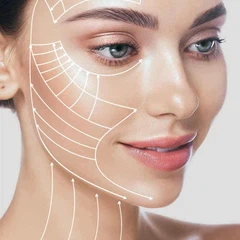



Why have non-surgical facelifts become the dominant choice?
By 2026, the average age of individuals seeking anti-aging treatments had dropped significantly, with the 25–35 demographic-focused on "pre-juvenation"-emerging as the primary consumer group. This generation views anti-aging as a form of "long-term maintenance," akin to fitness training, rather than a drastic "overhaul" to be undertaken only after serious issues arise.
Furthermore, surgical facelifts carry the risk of complications that are extremely difficult and costly to correct. Consumers are also unwilling to endure the prolonged swelling and scarring recovery periods-often lasting one to three months-associated with surgery. Consequently, non-invasive skin rejuvenation and lifting treatments have become the preferred option for modern consumers.
It is worth noting, however, that non-surgical lifting is no longer merely an "alternative" to surgery; thanks to its high efficacy, accessibility, and zero-risk profile, it has become a "flagship service" for aesthetic clinics worldwide. Market data from Newangie-spanning operations in over 60 countries-indicates that revenue generated from non-surgical equipment installations and the associated consumables now accounts for more than 75% of total clinic revenue.
Top-Rated Skin Rejuvenation Technology for 2026
HIFU (High-Intensity Focused Ultrasound)
HIFU is a non-invasive, deep-tissue lifting technology and a leading method in the field of non-surgical facelifts.
It utilizes high-intensity focused ultrasound to precisely target the SMAS layer-located 3.0mm to 4.5mm beneath the skin's surface-which is the same layer addressed in surgical facelifts. By generating thermal energy (reaching approximately 65–75°C) at focal points, it causes immediate contraction of the SMAS layer and stimulates extensive collagen regeneration over a period of 3 to 6 months.
It can help treat the following skin concerns:
• Skin laxity
• Drooping eyelids and eyebrows
• Neck wrinkles and "turkey neck"
• Jawline definition
• Nasolabial folds
• Overall facial tightening

RF Microneedling
RF microneedling is a precise, minimally invasive treatment that combines the mechanical stimulation of microneedles with radiofrequency (RF) thermal energy.
Gold-plated microneedles penetrate the epidermis to reach the dermis, where they deliver RF energy from their tips. Simultaneously, the sterile needles create controlled micro-injuries in the skin. This dual "mechanical plus thermal" action breaks down old collagen fibers and triggers the skin's intensive "healing and regeneration" response. This process stimulates the production of new collagen and elastin, resulting in firmer, tighter skin and a more even complexion.
It can help treat the following skin concerns:
• Acne scars
• Wrinkles and fine lines
• Enlarged facial pores
• Uneven skin texture
• Skin laxity
• Stretch marks
• Hyperpigmentation

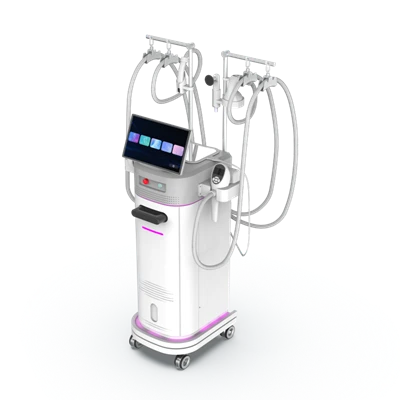
HIEMT+EMS+RF
This is a non-invasive technology that combines High-Intensity Electromagnetic Muscle Training (HIEMT), Electrical Muscle Stimulation (EMS), and Radiofrequency (RF) energy. It is commonly used for facial lifting, skin tightening, and body contouring.
EMS (such as Newangie's PulseLift technology) uses high-intensity electrical signals to mimic nerve impulses, triggering passive contractions in facial muscles-thousands of times per minute-to strengthen the "facial core muscles." Meanwhile, RF technology utilizes thermal energy to penetrate deep into the skin, stimulating the regeneration and remodeling of collagen and elastin.
It addresses the following concerns:
• Facial muscle laxity
• Wrinkles and fine lines
• Undefined jawline
• Loss of muscle tone
• Double chin
• Postpartum abdominal laxity
Structural Lifting: Unlike treatments that merely tighten the skin, this method provides structural support from the underlying muscles, resulting in a more natural-looking lift.
Zero Downtime: As a completely non-invasive procedure, it offers a comfortable treatment experience with visible "instant lifting" results immediately after the session-making it an excellent choice for busy professionals and socially active young people.

Fractional Laser
Fractional laser therapy is a skin rejuvenation procedure that uses specialized equipment to split a laser beam into thousands of tiny beams, creating microscopic treatment zones (MTZs) in the skin. This controlled micro-injury triggers the body's robust wound-healing response. To repair these microscopic columns, the skin synthesizes significant amounts of new collagen and elastic fibers while preserving the integrity of the surrounding healthy tissue.
It can treat the following skin concerns:
• Fine lines and wrinkles
• Hyperpigmentation
• Skin laxity
• Acne scars
• Enlarged pores
• Sun damage and age spots
• Uneven skin tone and rough texture

In the field of skin resurfacing as of 2026, fractional lasers are precisely categorized into ablative and non-ablative types; the fundamental distinction between them lies in the degree of "physical disruption" the laser energy causes to the epidermis.
Ablative Fractional Laser
Technical Principle:
Laser energy is instantly absorbed by water within skin tissue, generating high heat and causing vaporization. It physically removes small, columnar sections of skin tissue, leaving behind microscopic holes.
Representative Wavelengths:
10,600 nm CO2 laser (Newangie's core model) and 2,940 nm Er:YAG laser.
Characteristics:
•Rapid results from a single session: Highly effective in improving deep wrinkles, prominent hypertrophic scars, and old acne pits.
•Strong collagen stimulation: The creation of physical channels allows for deeper thermal injury, resulting in the most robust collagen regeneration among all laser types.
Limitations and Challenges:
Post-treatment involves noticeable scabbing, redness, and swelling, typically requiring a 7–14 day recovery period; individuals with darker skin tones must be cautious of the risk of post-inflammatory hyperpigmentation (PIH).
Non-ablative Fractional Laser
Technical Principle:
Laser energy penetrates the dermis to induce a thermal coagulation effect without vaporizing tissue or compromising the epidermal barrier. It primarily generates heat within the skin, ensuring the skin surface remains intact.
Representative Wavelengths:
1550nm Erbium-glass laser, 1927nm Thulium laser (e.g., popular models from Newangie).
Key Features:
•Minimal Downtime: Post-treatment effects are limited to mild redness and swelling-normal reactions. There is no scabbing or bleeding; patients can resume social activities or wear makeup the very next day.
•Barrier-Friendly: Causes virtually no damage to the stratum corneum, making it suitable for individuals with sensitive skin or those seeking to improve skin texture and refine pores.
Limitations and Challenges:
The skin regeneration and facial lifting effects of non-ablative fractional laser treatments are gradual; typically, 3–5 sessions are required to achieve the level of improvement seen in a single session of ablative laser treatment.
In-Depth Comparison of Three Major Fractional Laser Technologies for 2026
| Dimension | Fractional CO2 Laser | 1550nm Erbium-glass laser | 1927nm Erbium Laser |
| Laser Type | Ablative | Non-ablative | Micro-ablative / Non-ablative |
| Treatment Depth | Deep (reaches the deep dermis) | dermis | Superficial |
| Recovery Time | Long (7–14 days; scabbing required) | Very short (1–2 days; redness and swelling only) | Short (1–3 days; mild peeling) |
| Pain Level | High (topical anesthesia required) | Low to moderate (sensation of warmth) | Low (mild warm, prickling sensation) |
| Treatment Frequency | 1–3 sessions | 3–5 sessions | 3–6 sessions |
| Cost Per Session | High | Moderate | Moderate |
| Risk of Side Effects | Risk of PIH, infection risk | Localized edema, mild redness | Mild redness/swelling, temporary dryness |
| Target Audience | Severe acne pits, scars, deep wrinkles | Enlarged pores, fine lines, skin laxity | Dullness, pigmentation spots, those seeking skin brightening |
How do you choose between them?
•Fractional CO2 (10600nm): This is the best choice for treating hypertrophic scars and deep acne pits. It is an irreplaceable option for clients willing to accept a recovery period of up to a week in exchange for dramatic results.
•1927nm Thulium Laser: The most popular "skin-brightening laser." Due to its high absorption rate in water, it precisely targets epidermal pigmentation and is known as the "BB Laser"; it is the top choice for addressing melasma and dull skin tone.
•1550nm Erbium-Glass Laser: Focuses on deep collagen remodeling without damaging the skin surface. It is ideal for working professionals who want to refine pores and tighten their skin discreetly.
If you are dealing with diverse skin concerns or a broad client base requiring treatment for various facial skin issues, you might opt for a combination fractional laser system-such as Newangie's 1550nm + 1927nm dual-wavelength fiber laser, or a "two-in-one" device that combines the 10600nm fractional CO2 laser with the 1550nm Erbium-Glass laser.
Other Skin Rejuvenation Lasers
Within the comprehensive, multi-layer anti-aging framework of 2026, while HIFU and radiofrequency technologies primarily target the deep dermis and the SMAS layer to achieve structural lifting and overall tightening, these laser technologies focus on the precise repair of the skin's superficial and mid-layers. They utilize highly selective photothermal action to precisely eliminate impurities and red blemishes from the underlying skin layers.
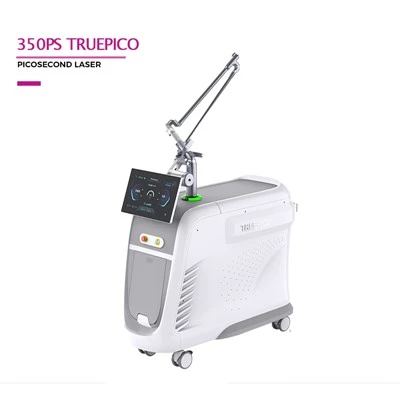
Picosecond Laser
This laser technology utilizes ultra-short pulse widths in the picosecond range (one-trillionth of a second).
Unlike traditional lasers that rely on thermal destruction, pico lasers generate powerful shockwaves. These shockwaves instantly shatter melanin into microscopic "dust" particles-facilitating their clearance via the lymphatic system-a phenomenon known as the "photoacoustic effect."
Advanced pico devices (as of 2026) employ a Honeycomb Lens (MLA) to induce the "Laser-Induced Optical Breakdown" (LIOB) effect within the dermis. This creates tiny vacuoles without damaging the epidermis, thereby powerfully stimulating collagen regeneration.
Treatment of stubborn melasma, freckles, and tattoos, as well as "pico-rejuvenation" treatments targeting fine lines and enlarged pores.
Minimal thermal damage significantly reduces the risk of post-inflammatory hyperpigmentation (PIH)-commonly known as "rebound darkening"-in individuals with darker skin tones, making it a benchmark for inclusive anti-aging treatments suitable for all skin types.
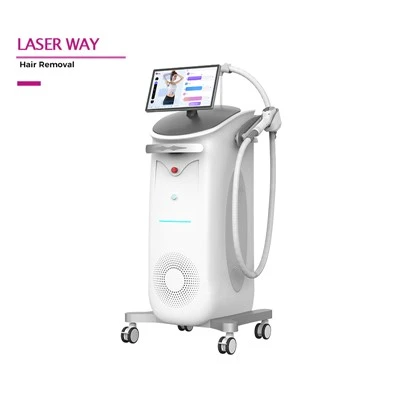
Diode Laser
The 808nm wavelength targets not only hair follicles but also oxyhemoglobin within blood vessels. It acts precisely on target tissues without damaging surrounding healthy tissue. Additionally, in low-energy mode, it uniformly heats the dermis at a stable frequency, promoting microcirculation and sealing dilated capillaries.
Repairing sensitive skin (reducing visible spider veins/telangiectasia), treating facial flushing, and providing basic skin tightening and anti-aging benefits.
Exceptional stability and uniform energy output. By 2026, Newangie's semiconductor laser technology had achieved perfect synchronization between the cooling system and energy output, ensuring a virtually painless treatment experience.
Intense Pulsed Light (IPL)
Strictly speaking, IPL is not a laser but a broad-spectrum light source. Unlike standard lasers that utilize a single wavelength, IPL emits multiple wavelengths simultaneously, offering effective solutions for various skin concerns; it is commonly known as "photorejuvenation."
Broad-spectrum light (400nm–1200nm) passes through a filter and is absorbed by pigments, hemoglobin, and water, addressing multiple skin imperfections in a single session.
This gentle light energy optimizes cellular metabolism and improves skin roughness caused by photoaging.
IPL addresses a wide range of skin issues, including hair removal, post-acne pigmentation, skin whitening and rejuvenation, sun damage, and acne scarring.
It offers high treatment efficiency and can simultaneously address multiple skin concerns. For clients who do not have severe deep-tissue issues but simply wish to improve skin texture and tone, it represents the most cost-effective "skin maintenance solution" for 2026.
Layered Targeted Therapy: Which Skin Regeneration Technique Should Be Chosen?
| Skin Depth | Layers | Technique Selection |
| 0.1 - 0.5 mm | Epidermis | Fractional Laser ,Picosecond Laser ,IPL/DPL |
| 0.5 - 3.5 mm | Dermis | Microneedle RF ,1550nm Erbium Laser |
| 3.0 - 4.5 mm | SMAS Layer | HIFU |
| > 4.5 mm | Muscle Layer | Muscle EMS (PulseLift) |
(1) Muscle Layer
Advanced technologies (such as Newangie PulseLift) utilize high-intensity electromagnetic signals to penetrate the skin and fat layers, acting directly on facial expression muscles. This technology induces high-frequency muscle contractions, thereby enhancing muscle tone and increasing muscle volume; by providing structural support from beneath, it alleviates the loss of facial contour definition caused by muscle atrophy.
(2) SMAS Layer
HIFU is the only non-invasive technology capable of precisely focusing energy at a depth of 4.5mm-the exact layer targeted during surgical facelifts. Utilizing the thermal effects of sound waves, it creates a series of tiny thermal coagulation points within the SMAS layer. These points trigger immediate fascial contraction and initiate a long-lasting structural lifting effect.
(3) Dermis Layer
RF Microneedling: Uses physical microneedles to penetrate the epidermis and deliver RF energy to the deep dermis, inducing controlled thermal injury and maximally stimulating fibroblasts to produce collagen and elastic fibers.
1550nm Laser: Utilizes photothermal action to create micro-thermal zones within the dermis without damaging the epidermis, thereby improving skin laxity and wrinkles in the mid-to-deep skin layers.
(4) Epidermis Layer
Ablative Technology (CO2): Vaporizes damaged epidermal tissue to induce complete epidermal regeneration, effectively treating deep acne scars and severe skin texture irregularities. Non-ablative/micro-ablative technology (1927 nm): Targets the melanin-rich epidermal-dermal junction; utilizes thermal energy to fragment melanin and accelerate the turnover of the stratum corneum, thereby improving dull skin tone and superficial pigmentation.
What results can you expect after treatment?
The effects of non-invasive anti-aging treatments typically unfold in two stages: "immediate response" and "long-term regeneration."
- Immediate effects (1–7 days): Thermal energy causes collagen fibers to contract instantly; patients often feel their skin tighten right after the procedure, with facial contour definition improving by approximately 10%–20%.
- Long-term regeneration (1–6 months): As fibroblasts are stimulated to produce new collagen, skin elasticity, thickness, and firmness reach their peak at the three-month mark.
Clinical evidence: A study published in the Journal of Cosmetic and Laser Therapy indicates that 94% of patients undergoing High-Intensity Focused Ultrasound (HIFU) treatment showed visible facial lifting three months post-procedure, with an average jawline lift of 1.8 mm.
Why does combination therapy yield superior clinical outcomes?
By 2026, "layered anti-aging" has become an industry consensus, as no single technology can simultaneously address aging across different tissue layers.
Relying on a single technology to achieve full-layer improvement often necessitates extremely high energy output, significantly increasing the risk of epidermal thermal injury, post-inflammatory hyperpigmentation (PIH), or subcutaneous scarring.
Combination therapy enables practitioners to target specific tissue layers using appropriate, moderate energy parameters. By integrating multiple low-energy modalities, the cumulative physiological effects produce clinical outcomes superior to those of a single high-energy treatment, while minimizing the risk of side effects associated with any individual technique.
Data from a comparative clinical study published in Lasers in Surgery and Medicine indicate that, over a six-month observation period, subjects receiving combined HIFU and radiofrequency (RF) therapy showed a 35.8% greater improvement in objective facial contour lifting metrics (based on 3D photogrammetry) compared to the control group receiving only monotherapy.
Furthermore, patients in the combination therapy group reported significantly higher clinical satisfaction scores (Global Aesthetic Improvement Scale, GAIS) than those in the monotherapy group, particularly regarding their overall perception of improvements in skin tightness and texture.
What should you do before treatment?
To ensure optimal energy transmission within the skin and minimize the risk of side effects, the following preparatory steps are essential:
•Stay hydrated: Radiofrequency and ultrasound energies rely on tissue moisture; it is recommended to drink at least 2,000 ml of water daily for three days prior to the procedure.
•Avoid photosensitizing agents: Discontinue the use of retinols, high-concentration AHAs (alpha hydroxy acids), and photosensitizing medications for two weeks before the procedure.
•Assess skin barrier integrity: Ensure the treatment area is free from active inflammation or broken skin. If you have recently received vaccinations or dermal filler injections, allow a gap of at least 2–4 weeks before treatment.
How should you care for your skin after treatment?
The 48 hours following the procedure are critical for skin repair; proper post-treatment care is essential.
•Strict sun protection: The skin is highly sensitive to light after the procedure. You must use a broad-spectrum sunscreen with SPF 50+ and employ physical sun protection measures (such as parasols or hats) to prevent excessive UV exposure, which could lead to issues like pigmentation.
•Intensive hydration: Use medical-grade repair masks containing ingredients such as ceramides, hyaluronic acid, and recombinant collagen.
•Wash with cool water: For three days post-treatment, avoid washing your face with water hotter than body temperature. Refrain from using saunas or practicing hot yoga to avoid exacerbating heat-related damage.
For Consumers: How to Determine if a Clinic Can Deliver Ideal Results?
•Check the Equipment: Modern devices (such as those from 2026) typically feature AI-based anti-counterfeiting verification. Consumers should ask to see the device's FDA or CE certification and use the built-in QR code to verify its authenticity.
•Quality Assessment Before Treatment: A top-tier clinic will use a skin analyzer to conduct a comprehensive, quantitative analysis of your skin before recommending a tailored treatment plan, rather than relying solely on a visual inspection.
•Parameter Customization: Ask the practitioner if they adjust treatment parameters based on your Fitzpatrick skin type and subcutaneous fat thickness, rather than using fixed energy settings.
B2B Guide: How to Find a Trustworthy Equipment Manufacturer?
Clinic owners and distributors should evaluate potential equipment manufacturers across several key areas.
•R&D Capabilities and Transparency: Prioritize manufacturers that own their own factories and maintain in-house R&D teams. For instance, Newangie operates a facility exceeding 6,000 m² and employs over 20 R&D engineers; this ensures quality control from the source while allowing the company to stay ahead of market trends and drive product innovation.
•Clinical Support and Training: A reputable manufacturer offers comprehensive treatment protocols and ongoing online or offline operational training, rather than simply selling the machine.
•Compliance Assurance: Ensure the supplier holds a stable, long-term ISO 13485 certification for medical device quality management systems.
Common Misconceptions About Non-Invasive Facelifts
Myth 1: "A single treatment lasts a lifetime."
Fact: Anti-aging is a process of slowing down the rate of aging, not halting it entirely. Results from non-invasive treatments typically last 1–2 years; annual maintenance sessions are recommended.
Myth 2: "Higher energy yields better results."
Fact: Blindly pursuing high energy levels can lead to subcutaneous fibrosis or even burns. Modern technology emphasizes precision and efficiency in energy delivery.
Myth 3: "Laser or RF treatments thin the skin."
Fact: Appropriate energy stimulation actually promotes thickening of the dermis. Data from the American Society for Dermatologic Surgery (ASDS) confirms that controlled thermal injury can increase collagen density within the dermal layer.
FAQ
Q: Is there significant pain during non-invasive lifting treatments?
A: Mainstream devices in 2026 integrate high-frequency cooling systems and intelligent pulse control technology. With the exception of ablative fractional lasers, most treatments (such as HIFU, EMS, and non-ablative lasers) typically produce only a sensation of warmth or mild stinging, generally requiring no injectable anesthesia.
Q: How soon are results visible after treatment?
A: Immediate physical tightening effects can be observed after the procedure. However, deep collagen remodeling and improvements in muscle tone usually peak between 4 and 12 weeks post-treatment, at which point improvements in skin firmness and texture are most pronounced.
Q: What is the typical recovery time (downtime) for non-surgical lifting treatments?
A: Non-ablative techniques (such as 1927nm lasers and PulseLift) require virtually no downtime, allowing patients to resume social activities immediately. Microneedle RF treatments may result in mild redness or swelling for 24 to 48 hours, whereas ablative fractional lasers require a 3- to 7-day healing period involving scabbing.
Q: Are these technologies suitable for all skin tones?
A: Yes. Picosecond (Pico) lasers and non-ablative fractional lasers significantly reduce the risk of post-inflammatory hyperpigmentation (PIH) in darker skin tones (Fitzpatrick types IV–VI) by shortening pulse durations and minimizing thermal diffusion, offering vastly improved safety compared to traditional technologies.
Q: How long do the results of a single treatment last?
A: Results based on physiological regenerative mechanisms typically last 12 to 24 months. The duration depends on individual aging rates and lifestyle habits; an annual maintenance treatment is recommended to sustain consistent clinical results.
Q: Can multiple technologies be combined in a single treatment session?
A: Yes. Combination therapy is the standard clinical protocol in 2026. By combining energy delivery at different depths during a single visit (e.g., HIFU targeting the fascial layer and RF targeting the dermis), practitioners can achieve more comprehensive and natural-looking rejuvenation results than with a single technology alone.