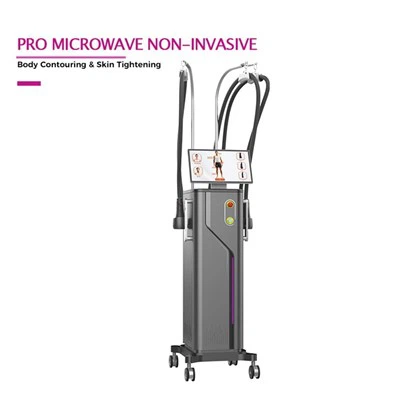

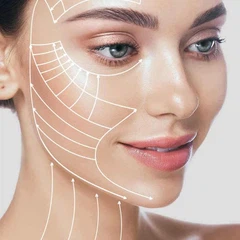



RF Microneedling is a dermatological treatment hailed as a "collagen engine." By combining the tissue-heating effects of radiofrequency energy with the collagen-inducing action of microneedles, it demonstrates exceptional efficacy in areas such as skin tightening, anti-aging, improving acne scars, and minimizing pores. However, many patients often harbor numerous questions before undergoing this treatment for the first time. Therefore, I invite you to read this article carefully, as I will provide you with a comprehensive breakdown of RF Microneedling therapy.
What is RF Microneedling?
If you are looking for a method to significantly and effectively improve your skin, RF microneedling is the solution for you. It is a minimally invasive therapeutic technique that combines mechanical microneedling with the delivery of radiofrequency (RF) energy. Unlike traditional RF treatments (such as Thermage), which act solely on the skin's surface, and unlike standalone microneedling procedures (such as dermarolling), which rely solely on physical stimulation, RF microneedling offers a distinct approach.
Rather than merely treating the skin's surface, RF microneedling utilizes an array of tiny needles to bypass the skin's outermost barrier (the stratum corneum). This allows for the precise delivery of RF energy directly to specific depths within the dermis, thereby triggering the skin's powerful natural self-repair mechanisms and resulting in a smoother skin surface. This is precisely why RF microneedling is so effective at addressing a wide range of skin concerns. Whether the issue involves fine lines, wrinkles, acne scars, or skin laxity, RF microneedling stands out as a unique and highly recommended treatment option for anyone seeking significant, long-lasting results without undergoing invasive surgery.
How Does RF Microneedling Work?
-
RF microneedling is a minimally invasive cosmetic procedure that combines traditional microneedling with radiofrequency (RF) energy to stimulate the production of collagen and elastin. The practitioner precisely delivers ultra-fine needles to a specific depth, creating microscopic wounds that trigger the body's natural healing process.
-
Simultaneously, the needles emit RF energy, heating the deeper layers of the skin (the dermis) to a specific temperature to ensure more significant skin-tightening results than traditional microneedling alone. The combined action of the micro-trauma and thermal energy stimulates fibroblasts, accelerating the generation of new collagen and elastin fibers to repair skin texture and improve overall skin condition.
What Conditions Can RF Microneedling Treat?
RF microneedling enjoys widespread application in dermatology and aesthetic medicine, making it a popular choice for many individuals seeking to improve their skin quality. Whether your goal is to tighten sagging skin or eliminate wrinkles on the face and neck, this therapy consistently delivers exceptional results. Below, we detail the primary indications for RF microneedling treatment.
Acne Scars
This is arguably RF microneedling's most notable strength. It is particularly effective for "rolling" and "boxcar" acne scars, as it works by breaking down the aged scar tissue within the depressions and stimulating the production of new collagen to fill in these indentations. For deeper "icepick" scars, however, the treatment is typically combined with other therapeutic modalities.
Enlarged Pores and Rough Skin Texture
RF microneedling devices utilize thermal energy to shrink hypertrophic sebaceous glands within the dermis and tighten the collagen fibers surrounding the pores. This leads to a significant improvement in pore appearance, resulting in skin that is finer and smoother in texture.
Facial and Neck Laxity
This treatment targets early signs of aging, such as a poorly defined jawline, a double chin, and fine lines on the neck. Through deep volumetric heating, it promotes the tightening of soft tissues situated above the fascial layer, thereby achieving a lifting effect.
Reduction of Wrinkles and Fine Lines
As we age, the appearance of wrinkles is inevitable-a reality that often causes significant distress. RF microneedling therapy releases thermal energy to stimulate the production of collagen and elastin, thereby effectively improving the appearance of static fine lines and mild dynamic wrinkles.
Stretch Marks and Body Tightening
The treatment is suitable for addressing striae distensae (stretch marks) on areas such as the abdomen and thighs. It helps to improve both the color and depth of the marks while also providing effective skin tightening for postpartum abdominal laxity.
Improvement of Skin Texture and Tone
RF microneedling therapy addresses issues such as uneven skin tone and rough texture by promoting a more uniform distribution of melanin and stimulating collagen regeneration. This results in skin that is brighter, more even-toned, and significantly smoother and finer in texture.
Why Is RF Microneedling Therapy So Popular?
From skincare enthusiasts to seasoned dermatologists, why does RF microneedling therapy capture the attention of everyone? This is primarily attributed to the following key, irreplaceable advantages:
A Perfect Balance of Efficacy and Recovery
Compared to ablative lasers (such as CO2 lasers), RF microneedling causes minimal damage to the epidermis (creating micro-channels across only about 5% of the surface area). Any resulting scabbing is mild and typically resolves within 3 to 5 days, ensuring that your daily routine and social life remain uninterrupted.
High Safety Profile
Traditional lasers often pose a risk of burns or post-inflammatory hyperpigmentation in individuals with darker skin tones, as melanin competes to absorb the laser energy. RF energy, however, does not rely on melanin as a target chromophore; consequently, its safety profile is significantly enhanced.
Enhanced Comfort
The latest RF microneedling devices-released in 2026-feature intelligent impedance algorithms, seamless switching between bipolar and monopolar modes, and finer needle designs, all of which work together to drastically reduce discomfort during treatment.
Long-Lasting Results
Unlike Botox, whose effects typically last only a few weeks, RF microneedling stimulates the regeneration of your body's own natural collagen. Results typically begin to emerge gradually 1 to 3 months after treatment and can persist for over a year.
Is RF Microneedling Right for You?
If you fit the following descriptions, RF microneedling may be an excellent option for you:
- You are seeking to improve your skin texture and address issues such as acne scars and enlarged pores;
- You wish to enhance facial firmness but do not want to undergo a surgical facelift;
- You have stretch marks or loose skin on your body;
- You have a darker skin tone (Fitzpatrick Types III–V) and are concerned about the risk of post-laser hyperpigmentation;
- You cannot accommodate a lengthy recovery period (i.e., you do not have the time to take more than one week off for recuperation).
Contraindications and Precautions:
-
Absolute Contraindications:
Pregnant or breastfeeding women; individuals with a cardiac pacemaker or internal metal implants; and those with an active infection (such as herpes simplex or severe acne) or skin malignancy in the treatment area.
-
Relative Contraindications:
Individuals with a severe tendency toward keloid formation (requires careful assessment); those currently taking anticoagulant medications; and patients with autoimmune diseases (requires physician assessment).
Common Misconceptions About RF Microneedling Treatments
Misconception 1: No Pain = No Results?
The Truth: The sensation of pain is not the standard by which treatment efficacy is measured. The level of discomfort experienced during RF microneedling is influenced by individual pain tolerance, the effectiveness of the topical anesthetic, and the type of needles used (insulated needles tend to be more comfortable than non-insulated ones).
While traditional wisdom suggests that "Golden Microneedling" treatments are inherently painful, modern devices-thanks to technological advancements-can now deliver painless or minimally painful treatments while still ensuring optimal energy delivery. Solely chasing a sensation of "pain" may lead to excessive energy levels, potentially triggering complications such as burns or subcutaneous fat loss.
Misconception 2: A Single Treatment Is Sufficient?
The Truth: RF microneedling is a "cumulative" treatment. The regeneration of collagen is a gradual physiological process. Typically, for concerns such as acne scars or severe skin laxity, a full course of treatment consisting of 3 to 4 sessions-spaced approximately 1 to 2 months apart-is recommended. While a single session may yield visible improvements in skin firmness, resolving structural skin issues requires adherence to a complete treatment regimen.
As a leading technology for skin tightening and rejuvenation in 2026, Radiofrequency Microneedling has had its scientific principles and clinical efficacy thoroughly validated. However, to ensure both safety and optimal results, it is imperative to select a compliant RF microneedling device and to undergo treatment administered by an experienced medical professional.
Furthermore, you should conduct a preliminary self-assessment to determine whether you are a suitable candidate for RF microneedling; if you are unsure, consult a professional dermatologist. This step facilitates the development of a personalized skin improvement plan tailored specifically to your individual skin condition.