



Many people looking to remove an unwanted tattoo have a common concern: will tattoo removal leave a scar? The answer is not necessarily. When performed using professional laser technology-with the correct settings and proper aftercare-tattoo removal typically does not result in noticeable scarring. However, a tattoo removal scar can occur if the skin is damaged too deeply, treated incorrectly, infected, or not cared for during healing.
This article explores the causes of scarring, how to minimize the risks, and the treatment options available should scarring occur.
Does Tattoo Removal Leave a Scar?
One of the most common questions is: does tattoo removal leave a scar?
In most professional laser treatments, the goal is to break down tattoo pigment without cutting or damaging the surrounding skin. Consequently, modern laser tattoo removal is generally considered a procedure with a relatively low risk of scarring.
However, no treatment is entirely free of risk. Does tattoo removal scar the skin in some cases? It is certainly possible. This risk depends on several factors:
- The removal method used
- The depth and color of the tattoo ink
- Laser parameter settings
- The experience of the practitioner
- The individual's skin type
- The healing process following treatment
Common Types of Scarring After Tattoo Removal
Hypertrophic Scars
These scars appear as raised areas and may be accompanied by redness, a firm texture, itching, or thickening. They typically form when the skin produces an excess of collagen during the healing process.
Individuals with a history of hypertrophic scars or keloids may be at a higher risk of developing such scars.
Depressed Scars (Atrophic Scars)
Depressed scars manifest as indentations in the skin or an uneven surface. They may occur when skin tissue is damaged and fails to regenerate smoothly.
Hyperpigmentation
Hyperpigmentation refers to the skin in the treated area becoming darker than the surrounding skin.
While not strictly classified as a "scar," this is a common post-treatment issue-occurring more frequently in individuals with darker skin tones or when the treated area is exposed to sunlight.
Hypopigmentation
Hypopigmentation refers to the skin in the treated area becoming lighter in color or appearing white.
This can occur when the pigment-producing cells are affected by an excessive amount of laser energy.
Changes in Skin Texture
Some individuals may notice that their skin becomes rough, dry, or uneven in texture following tattoo removal. Mild textural changes may improve over time, while more severe cases may require professional corrective treatment.
Why do scars form after laser tattoo removal?
Scar formation is typically the result of a combination of factors related to the treatment method and the healing process.
Improper Laser Parameter Settings
Laser energy must be precisely adjusted based on skin type, tattoo color, ink depth, and the patient's history of previous treatments.
If the energy is too high, the skin may suffer excessive thermal damage. Conversely, if the wrong wavelength is selected, the treatment may be inefficient, necessitating more sessions-which, in turn, places a greater burden on the skin.
Improper Technique
Laser tattoo removal requires professional assessment and technical expertise.
An inexperienced practitioner might perform overly aggressive treatment, select incorrect parameters, or schedule sessions too close together. Such errors can exacerbate the inflammatory response, potentially leading to scarring.
Inadequate Post-Treatment Care
Following laser treatment, the skin requires time to repair itself.
Scratching the treated area, picking off scabs, exposure to sunlight, friction, or the use of irritating skincare products can all disrupt the healing process. Furthermore, infection can also lead to the formation of scars.
Skin Type and Predisposition to Scarring
Some individuals are naturally more prone to scarring.
Those with a tendency toward keloids (hypertrophic scars), sensitive skin, darker skin tones, or a history of abnormal scarring should undergo a careful assessment before proceeding with treatment.
Deep or Complex Tattoos
Tattoos that are older, contain deeper ink, or feature complex color palettes often require a higher number of treatment sessions. More sessions mean the skin is subjected to repeated stimulation; therefore, a well-planned treatment strategy and appropriate intervals for recovery are essential.
How to Prevent Scarring During Tattoo Removal?
Preventing scars is far easier than treating them after they have formed. The following measures can help reduce the risk of scarring.
Choose Professional Laser Technology
Reliable laser systems deliver stable energy and precise wavelengths. This allows for the accurate targeting of tattoo pigments while minimizing unnecessary damage to the surrounding skin.
Common types of lasers include:
- Q-switched lasers
- Picosecond lasers
- Multi-wavelength laser systems
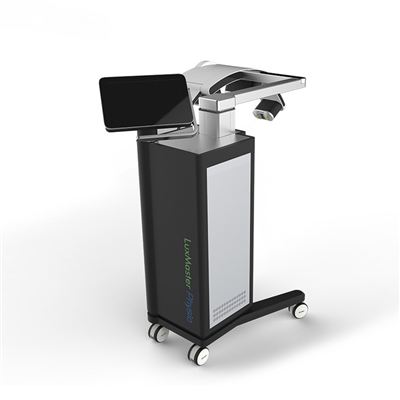
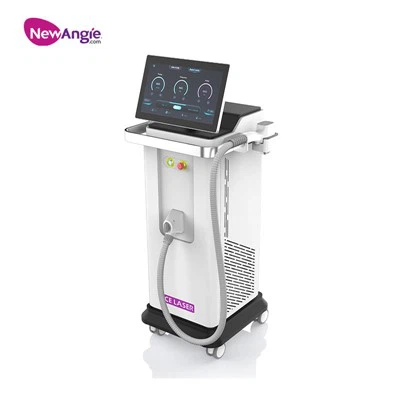
For medical practices, professional-grade equipment is valuable not only for faster pigment removal but also for reducing complications, increasing client satisfaction, and lowering the risk of post-treatment complaints.
Use the Appropriate Wavelength
Different ink colors require specific wavelengths. For example:
- A 1064nm wavelength is typically used for black and dark blue tattoos.
- A 532nm wavelength is generally used for red, orange, and other warm-toned pigments.
- 755nm or 694nm wavelengths can be used to target specific blue and green pigments.
Selecting the correct wavelength improves treatment efficiency and helps avoid unnecessary skin damage caused by excessive or repetitive procedures.
Avoid Over-treatment
Tattoo removal is a gradual process. Increasing the frequency of treatments will not make the tattoo disappear any faster; instead, it can exacerbate inflammation, delay healing, and increase the risk of scarring.
The skin requires sufficient time between sessions to repair itself and metabolize the broken-down pigment particles.
Follow Post-treatment Care Instructions
- Keep the treated area clean and dry.
- Avoid scratching or picking at scabs.
- Avoid sun exposure.
- Minimize friction and refrain from wearing tight clothing over the treated area.
- Use recommended post-care/repair products.
- Seek medical attention promptly if signs of infection or abnormal swelling occur.
Many scars are not caused by the laser itself, but rather by improper healing following the procedure.
Avoid DIY Tattoo Removal Methods
Products such as "tattoo removal creams," acidic corrosive agents, cauterization methods, and unregulated at-home tattoo removal devices can cause severe, lasting damage to the skin. Compared to professional laser treatments, these methods carry a much higher risk of scarring.
Laser Tattoo Removal with Reduced Scarring Risk
Q-Switched Laser
Q-switched lasers are widely used for tattoo removal and are particularly effective for black and dark-colored tattoos. This is a well-established, reliable technology commonly found in professional medical aesthetic clinics.


Picosecond Laser
Picosecond lasers utilize shorter pulse durations to shatter pigment into finer particles. This not only improves the clearance of the pigment but also minimizes the spread of heat to surrounding tissues.
Ideal for:
Challenging or multi-colored tattoos;
Individuals concerned about the risk of scarring.
Multi-Wavelength Laser Systems
Some tattoo removal laser devices offer multiple wavelengths, allowing practitioners to target specific ink colors with greater precision.
For medical aesthetic clinics, this enhances treatment flexibility and enables them to cater to a more diverse range of client needs.
FAQ
Q: Is scarring normal after tattoo removal?
A: No. Mild redness, swelling, crusting, or temporary color change can be part of normal healing, but a raised, sunken, or thickened area may indicate a true tattoo removal scar.
Q: Which tattoo removal method has the lowest scarring risk?
A: Professional laser removal usually has a lower scarring risk than tattoo surgery, chemical creams, or dermabrasion because it targets pigment without cutting the skin.
Q: Who is more likely to develop scars?
A: People with keloid tendency, darker skin tones, sensitive skin, previous abnormal scarring, infected wounds, or poor aftercare have a higher risk of scarring.
Q: How can I tell if it is a scar or temporary pigmentation?
A: Pigmentation mainly changes skin color and may fade over time. A scar usually changes skin texture, making the area raised, firm, depressed, shiny, or uneven.
Q: Can tattoo removal scars be improved?
A: Yes. Depending on the scar type, treatments such as fractional laser, microneedling, silicone gel, steroid injection, or combination therapy may improve the appearance.
Q: Is scarring inevitable after tattoo removal?
A: No. Many people heal well after treatment without any noticeable scarring. The final outcome depends on the equipment used, the practitioner's technique, individual skin type, the condition of the tattoo, and post-treatment care. Scarring may occur if the skin is over-treated, becomes infected, or is not cared for properly after the procedure. In the case of laser tattoo removal, scarring can also result from improper parameter settings, overly aggressive treatment, or a suboptimal healing process.
Q: What is the difference between laser tattoo removal and surgical excision?
A: Laser tattoo removal works by breaking down the pigment without the need to cut the skin. Surgical excision, on the other hand, involves physically removing the tattooed skin, which will inevitably result in a scar.
Q: Can existing scars from tattoo removal be improved?
A: Yes. Depending on the type of scar, treatments such as fractional laser therapy, microneedling, or a combination of various therapeutic approaches can help improve the appearance of the scar.