




Introduction
Rising demand for efficient pain management and rehabilitation has led clinics and therapy centers to adopt more advanced solutions within the modern physical therapy system. Among them, the 980nm physiotherapy instrument has gained increasing attention for its ability to deliver targeted energy to deeper tissues while supporting a broader range of clinical and skin-related applications. For buyers evaluating a laser physiotherapy machine, understanding this technology is essential for making informed decisions and aligning equipment with real needs.
Why Understanding 980nm Physiotherapy Technology Matters
Understanding how a 980nm physiotherapy instrument works helps buyers assess performance, match equipment to treatment needs, and compare different suppliers. This understanding also provides a clear framework for evaluating key factors that influence equipment selection and clinical application:
- Making More Informed Equipment Decisions: A deeper understanding of laser physiotherapy machine technology helps buyers distinguish between different configurations and select solutions aligned with real treatment requirements.
- Better Matching Technology to Clinical Needs: Knowing how energy interacts with tissue enables more accurate selection of physiotherapy machines for pain relief across different application scenarios.
- Ensuring Consistent Treatment Performance: Awareness of energy delivery and control mechanisms supports more predictable outcomes and stable performance in daily clinical use.
- Evaluating Technical Capabilities More Effectively: Understanding key components allows buyers to better assess a supplier`s engineering level and overall product reliability.
What Is a 980nm Physiotherapy Instrument?
A 980nm physiotherapy instrument is a type of laser physiotherapy machine that uses near-infrared light to deliver targeted energy into deeper tissue layers. As part of modern physiotherapy systems, it supports pain relief and functional recovery through photobiomodulation, involving photothermal, photochemical, and photomechanical effects. This technology is widely applied in rehabilitation, vascular, and skin-related treatments.

Key Technologies Behind a 980nm Physiotherapy Machine
The performance of a 980nm physiotherapy machine is shaped by several core technologies working together. These key systems determine how energy is generated, delivered, and controlled throughout the treatment process.
Laser Generation System
The 980nm diode laser source serves as the foundation of energy generation, providing the specific wavelength required for deep tissue interaction. Its performance depends on both output stability and precision, ensuring that energy is delivered consistently and accurately across different treatment settings.
Optical Transmission System
The optical transmission system is responsible for delivering laser energy from the source to the treatment area through fiber-based technology. Combined with well-designed handpieces, it enables controlled and flexible application, supporting precise positioning and efficient energy transfer during use.
Control and Interface System
The control system allows users to adjust parameters such as power and treatment modes based on specific needs. A clear and intuitive interface supports smooth operation, helping practitioners manage treatment settings efficiently while maintaining consistency across sessions.
These technologies enable precise energy generation, controlled delivery, and effective tissue interaction, forming the technical foundation of 980nm physiotherapy applications.
How a 980nm Physiotherapy Machine Works(Step-by-Step Process)
A 980nm physiotherapy machine operates through a structured process that enables controlled energy delivery and effective interaction with biological tissue. Each stage contributes to how the laser physiotherapy machine supports pain relief and functional recovery.
Step 1 Energy Preparation
The system initializes and sets treatment parameters such as power and duration, preparing the device for controlled energy output based on specific application needs.
01
Step 2 Laser Emission
The 980nm diode laser generates near-infrared energy, which is emitted in a stable and continuous manner for targeted therapeutic use.
02
Step 3 Deep Tissue Penetration
The emitted laser energy penetrates deeper tissue layers, reaching areas that are less accessible to conventional physiotherapy machines.
03
Step 4 Cellular Stimulation
At the tissue level, the energy interacts with cells through photothermal, photochemical, and photomechanical effects, supporting microcirculation and promoting biological responses related to tissue recovery.
04
Step 5 Pain Relief and Functional Recovery
Through these processes, the technology supports improved mobility and is commonly applied in scenarios such as physiotherapy machines for back pain and knee physiotherapy machine treatments.
This step-by-step process illustrates how controlled laser energy is systematically applied to support efficient and targeted physiotherapy outcomes.
05
Where 980nm Physiotherapy Instruments Are Commonly Applied
This technology is widely applied across physiotherapy, vascular, and skin-related scenarios where precise energy delivery and controlled tissue interaction are required:
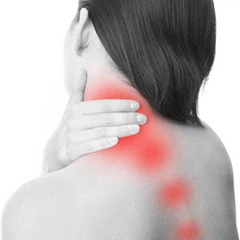
- Physiotherapy and Pain Management Applications: Commonly used as a physiotherapy machine for back pain, knee rehabilitation, and soft tissue recovery, supporting muscle relaxation, mobility improvement, and post-injury or postoperative rehabilitation.
- Vascular and Circulatory Applications: Applied in scenarios such as varicose veins, spider vein removal, and circulation support, where controlled laser energy helps improve vascular appearance and local blood flow, and targeted laser absorption by vascular structures supports precise and controlled treatment.
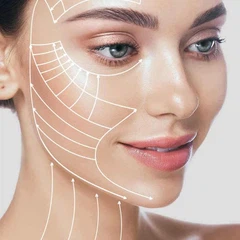
- Skin and Aesthetics-Related Applications: Used in applications including skin rejuvenation, acne-related conditions, and scar reduction, supporting tissue regeneration and overall skin condition improvement.
Key Considerations When Evaluating a 980nm Physiotherapy Machine
When evaluating a 980nm physiotherapy machine, buyers should focus on key technical and operational factors that influence overall performance and usability. Physiotherapy machine manufacturers like NewAngie typically emphasize the following aspects as part of a more structured approach to equipment design and long-term application.
- Energy output consistency: Stable energy output ensures reliable performance across different treatment sessions. It also supports more predictable results in various physiotherapy machines for pain relief applications.
- Precision of parameter control: Accurate adjustment of power and treatment settings allows the device to adapt to different clinical needs. This flexibility is important when using a laser physiotherapy machine across multiple indications.
- Ergonomics and usability: Well-designed, ergonomic handpieces and intuitive interfaces contribute to smoother operation. This helps improve efficiency during repeated use in busy clinical environments.
- Technical support and training availability: Access to training and ongoing technical support plays a key role in maximizing the value of the equipment. It ensures that users can operate the system effectively, and it maintains consistent performance over time.
Conclusion
The 980nm physiotherapy instrument plays an important role within modern physiotherapy systems by combining precise energy delivery with multiple biological effects. Understanding its underlying technology and application scope helps buyers make more informed and confident equipment decisions. Contact us to explore more about advanced physiotherapy solutions or reach out for further technical insights tailored to your needs.


