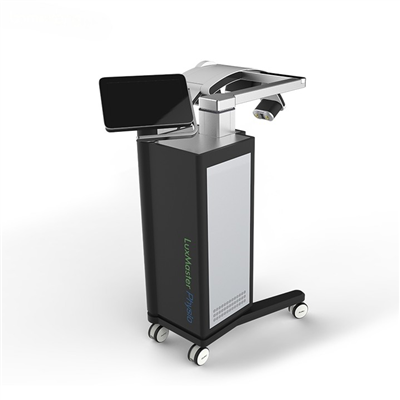

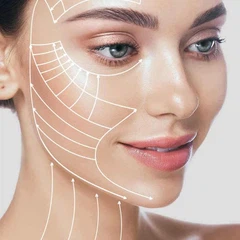



Forehead acne, dense arm hair, stubborn tattoos, unsightly facial pigmentation, bothersome acne scars-these distressing skin issues plague many individuals who tirelessly seek out and experiment with various effective treatments, all in pursuit of healthier, smoother skin.
Driven by the rapid advancement of medical aesthetics technology, the industry in 2026 has entered an era of unprecedented precision, personalization, and intelligence. Evolving from early, simple skincare regimens to today's high-tech light-based and energy-based devices, consumers are increasingly demanding treatment solutions that are not merely effective, but also safe, highly efficient, and associated with minimal downtime.
If you lack a comprehensive understanding of medical aesthetics technologies yet wish to utilize them to improve your skin condition, please read the following text carefully. I will provide a detailed breakdown of the ten most popular high-end medical aesthetics technologies currently available, and offer an in-depth discussion on how to evaluate and select high-quality medical aesthetic equipment-serving as a comprehensive reference guide for both industry practitioners and consumers alike.
Laser Hair Removal Technology
Laser hair removal is a non-invasive cosmetic treatment that utilizes specific laser wavelengths to target melanin within hair follicles. By converting this melanin into thermal energy, the process effectively destroys the follicles and inhibits hair regrowth, thereby achieving a long-term or permanent reduction in hair growth. Employing advanced technology, it delivers long-lasting and effective hair removal results suitable for a wide range of skin tones and hair types. Since its inception in the 1990s, and following over three decades of development, it has evolved into one of the most mature and widely utilized hair removal methods globally.
How Laser Hair Removal Works?
Laser hair removal is based on the principle of selective photothermolysis. Lasers of specific wavelengths-typically 755 nm, 808 nm, or 1064 nm-are able to penetrate the superficial layers of the skin and are preferentially absorbed by the melanin within the hair follicles. As the laser energy converts into thermal energy, the temperature of the hair follicles rapidly rises to over 70°C; this induces irreversible thermal coagulation necrosis in the hair-generating cells within the follicles, thereby eliminating their capacity to regenerate hair. The pulse duration of the laser is typically designed to match the thermal relaxation time of the hair follicle (approximately 10–50 milliseconds), ensuring that the thermal energy is precisely targeted at the follicle while avoiding damage to the surrounding normal tissues.
Modern, high-end laser hair removal devices are also equipped with protective systems-such as contact cooling, dynamic cooling, or cryogenic sprays-that simultaneously cool the epidermis during treatment, thereby minimizing pain and reducing the risk of thermal injury. The latest technological advancements as of 2026 have enabled intelligent energy regulation, automatically optimizing treatment parameters based on the patient's skin type, hair growth cycle, and the specific treatment area.

Key Laser Technologies
Different types of lasers are suited to specific skin tones and hair colors:
- Alexandrite Laser (755nm): Best suited for light to medium skin tones; allows for rapid treatment of large skin areas.
- Diode Laser (800-810nm): Highly versatile and safe for a wide range of skin types; currently one of the most popular options in the laser hair removal market.
- Nd:YAG Laser (1064nm): Due to its longer wavelength, it is ideally suited for darker skin tones and for treating coarse, dark hair.
Why Is It So Popular?
- Significant Long-Term Results: After 4–6 regular treatment sessions, most patients achieve an 80%–95% reduction in hair growth, with results lasting for several years-or even permanently.
- Precision and Efficiency: Capable of treating large areas simultaneously-such as the legs or back-with each individual session requiring only a short amount of time.
- High Safety Profile: Modern equipment features advanced cooling systems and energy control technologies that significantly reduce the risk of side effects, such as burns or hyperpigmentation.
- Broad Applicability: Equipment utilizing specific wavelengths is available to effectively treat a wide spectrum of skin tones, ranging from very light to very dark.
- Superior Convenience: Compared to frequent shaving, waxing, or other traditional methods, laser hair removal saves a significant amount of time on daily grooming and maintenance.
Who Is It Best Suited For?
- Individuals with lighter skin tones (Fitzpatrick Types I–III) and dark, coarse hair typically achieve the best results.
- Women experiencing excessive body hair growth due to conditions such as hirsutism or hormonal imbalances.
- Individuals who experience skin irritation, folliculitis, or ingrown hairs when using traditional hair removal methods.
- Patients seeking a long-term solution to unwanted hair in specific areas, such as the underarms, bikini line, lower legs, arms, or upper lip.
Read More:
The Complete Guide To Underarm Laser Hair Removal
The Best Laser Hair Removal Equipment For Beauty Salons in 2026: A Buying Guide
The New Alexanderite Laser Hair Removal Guide For 2026 (TOP Level)
2026 Complete Guide To Diode Laser Hair Removal
The Detailed Guide To Buying Diode Hair Removal Laser Instruments For Your Clinic Or Spa


IPL (Intense Pulsed Light) Hair Removal Technology
IPL (Intense Pulsed Light) is not a true laser, but rather a form of broad-spectrum, high-intensity pulsed light. Light of specific wavelengths is absorbed by target pigment clusters, converting light energy into thermal energy. Unlike the monochromatic nature of lasers, the light emitted by IPL covers a wavelength range of 500–1200 nm; by utilizing filters to select specific spectral bands, it targets melanin within hair follicles as well as skin pigmentation for therapeutic treatment. As a non-invasive pulsed light therapy, IPL systems offer a wide range of options for both cosmetic and dermatological treatments.

How Does IPL Technology Work?
IPL is also based on the principle of selective photothermolysis; however, its mechanism of action differs from that of lasers. Specific wavelengths within the broad spectrum of light( 500nm–1100 nm) are absorbed by the melanin and hemoglobin present in hair follicles.
IPL devices typically deliver energy in a multi-pulse mode, with each pulse having a short duration (on the order of milliseconds); this causes heat to accumulate within the hair follicles, resulting in thermal damage. Concurrently, IPL stimulates the remodeling of collagen in the dermis, thereby providing additional skin rejuvenation benefits.
Compared to lasers, IPL features a lower energy density and greater beam divergence. This means that while its destructive power against individual hair follicles is less concentrated than that of a laser, it covers a wider treatment area and is simpler to operate.
High-end IPL devices in 2026 have incorporated real-time skin temperature monitoring, automatic energy adjustment, and intelligent filter recognition systems, significantly enhancing both safety and efficacy.
What Skin Concerns Can Be Treated with IPL Technology?
Thanks to its unique broad-spectrum properties and interchangeable filters, IPL (Intense Pulsed Light) aesthetic devices are capable of treating a wide range of skin concerns. Practitioners simply need to select the appropriate filter-calibrated to target specific pigments-to effectively address the diverse skin treatment needs of their clients.
-
Improved Skin Texture and Tone:
Stimulates the production of collagen and elastic fibers, thereby enhancing skin elasticity, strengthening skin structure, and diminishing the appearance of fine lines.
-
Targeted Treatments:
Addresses specific issues such as birthmarks, stretch marks, and minor vascular irregularities.
-
Efficient Hair Removal:
IPL utilizes broad-spectrum light to heat hair follicles, driving them into a resting phase. This results in long-term hair reduction-effectively thinning the hair, slowing its growth, and in some cases, halting hair growth entirely.
-
Treating Pigmentation and Acne:
IPL effectively reduces the visibility of dark spots, age spots, and sun damage. Additionally, it targets the bacteria responsible for acne, helping to minimize breakouts and improve overall skin texture.
-
Treatment of Vascular Lesions:
Intense Pulsed Light is absorbed by the oxyhemoglobin within blood vessels and converted into thermal energy. This process destroys and seals off the targeted vessels, effectively treating broken capillaries and spider veins, reducing their visible appearance, and resulting in clearer, more even-toned skin.


Why Is It So Popular?
- Versatility: A single IPL device is typically equipped with multiple filters, allowing it to serve a variety of purposes-including hair removal, spot removal, treating facial redness, and improving dull skin tone-making it highly cost-effective.
- Ease of Use: Featuring a large spot size, the treatment process is rapid, making it particularly well-suited for treating large surface areas such as the back and legs.
- Remarkable Results: The visual difference before and after treatment is significant, making it an ideal choice for services offered in clinics and beauty salons.
- Minimal Discomfort: Compared to laser hair removal, IPL energy is relatively more diffused, resulting in a noticeably lower sensation of pain.
- Home-Use Trend: The widespread availability of home-use IPL hair removal devices allows consumers to perform treatments themselves as part of their daily skincare routine.
- Short Recovery Time: There is virtually no downtime required after treatment, ensuring that it does not interfere with one's normal social activities or work schedule.
Who Is It Best Suited For?
- Individuals with light to medium skin tones (Fitzpatrick Types I–IV) and medium-to-dark hair color.
- Those seeking to simultaneously address skin texture issues, enlarged pores, and superficial pigmentation spots.
- Aesthetic patients who are sensitive to the pain associated with laser hair removal and desire a gentler treatment experience.
- Individuals requiring rapid hair removal over large body areas (e.g., the back or full legs) who do not require the absolute highest level of hair removal permanence.
- Consumers seeking a home-use solution to reduce hair growth through regular maintenance.
Note: IPL offers limited efficacy for individuals with dark skin tones (Fitzpatrick Types V–VI) or light-colored hair; furthermore, improper energy control may result in epidermal burns.
Read More:
The 2026 Comprehensive Guide To IPL Treatment
IPL Photorejuvenation Complete Guide: From Hair Removal To Skin Rejuvenation

Fractional CO2 Laser Technology
The Fractional CO2 Laser is a minimally invasive cosmetic procedure capable of effectively treating skin concerns such as acne scars, surgical scars, photo-aged skin, and wrinkles. Utilizing a carbon dioxide laser with a wavelength of 10,600 nm, it employs a "fractional" emission pattern to create thousands of microscopic thermal injury columns (micro-treatment zones) within the skin, while simultaneously sparing the surrounding normal tissue, thereby facilitating rapid recovery.
Fractional CO2 Laser Working Principle
The core concept behind fractional CO2 laser technology is "micro-injury, macro-repair." The device splits the laser beam into hundreds of tiny beams (approximately 100–500 microns in diameter), which are applied to the skin in either a regular or random array pattern. Each micro-beam creates a vertical column of thermal injury within the skin, penetrating as deep as the dermis (0.5–1.5 mm). Within these micro-treatment zones, water-rich skin tissue is instantly vaporized, while the surrounding tissue undergoes thermal coagulation.
Following treatment, the tissue within these micro-treatment zones is either absorbed by the body or sloughed off. Meanwhile, the surrounding normal tissue acts as a "stem cell reservoir," rapidly migrating into the injured areas to trigger a robust wound-healing response-including the extensive synthesis of new collagen, elastic fibers, and hyaluronic acid. This regenerative process typically spans 3 to 6 months, during which the skin's firmness, elasticity, and texture continue to improve.
By 2026, fractional CO2 laser devices have achieved an exceptionally high level of precision, allowing for the adjustment of density, depth, energy levels, and treatment patterns to suit each patient's specific needs and skin condition, thereby enabling truly personalized treatment.

What Conditions Can Fractional CO2 Laser Treat?
Fractional CO2 laser is a versatile ablative skin resurfacing tool that can significantly improve skin firmness and texture, often yielding long-lasting results. Primarily used on the face, neck, chest, and arms, this technology offers an efficient and safe solution for various skin concerns, regardless of your skin type or tone.
- Wrinkles and Fine Lines: Particularly effective against crow's feet, nasolabial folds, and forehead lines.
- Scar Treatment: Treats acne scars, surgical scars, and traumatic scars.
- Sun Damage and Aging: Removes sunspots and age spots, and reduces issues related to hyperpigmentation.
- Improved Skin Texture and Laxity: Addresses skin laxity by stimulating collagen production, minimizing pores, and smoothing rough textures.
- Benign Growths: Removes skin tags, warts, and enlarged sebaceous glands.
- Stretch Marks: Helps to reduce the appearance of stretch marks.
- Pore Reduction: Fractional CO2 laser technology can be used to minimize enlarged pores, resulting in smoother skin.
Why Is It So Popular?
Unlike traditional laser therapies that remove the entire surface layer of the skin, fractional laser therapy creates only microscopic columns of treated tissue, thereby facilitating rapid skin recovery and minimizing discomfort. This allows patients to achieve significant anti-aging results without having to endure the months-long recovery period typically associated with traditional, full-surface laser treatments.
- Remarkable Efficacy: For atrophic acne scars (including icepick, boxcar, and rolling types), the fractional CO2 laser currently stands as the single most effective treatment method available.
- Multi-Dimensional Improvement: It simultaneously addresses a wide range of skin concerns, including wrinkles, laxity, uneven pigmentation, enlarged pores, and rough skin texture.
- Controllable Risk: The fractional delivery mode significantly reduces the risks of infection, scarring, and hypopigmentation-complications historically associated with traditional CO2 laser resurfacing.
- Long-Lasting Results from a Single Session: The benefits of a single, comprehensive treatment can be sustained for 2 to 5 years.
- High Customizability: Ranging from superficial micro-ablation to deep dermal remodeling, treatment parameters can be precisely adjusted to target specific skin concerns.
Who Is It Best Suited For?
- Middle-aged individuals exhibiting visible signs of photoaging on the face, neck, or chest (including fine lines, wrinkles, skin laxity, and pigment spots).
- Patients with various types of atrophic acne scars (active acne must be ruled out).
- Flat or mildly hypertrophic scars resulting from trauma or surgery.
- Individuals seeking to address multiple skin aging concerns in a single session (provided they are willing to accept a recovery period of 3–10 days).
- Treatment of benign epidermal proliferative lesions, such as seborrheic keratoses and syringomas.
Note: Use with caution in individuals with darker skin tones (Fitzpatrick skin types IV–VI) due to a higher risk of post-inflammatory hyperpigmentation. Active herpes infections, severe skin inflammation, and pregnancy are contraindications.
Read More:
Fractional CO2 Laser Skin Resurfacing: The Ultimate Guide To Laser Skin Rejuvenation
Professional Fractional CO2 Laser Skin Resurfacing Treatment Guide


Picosecond Laser Technology
The picosecond laser is a non-surgical, non-invasive laser skin treatment method that demonstrates excellent efficacy in tattoo removal, pigment correction, and skin rejuvenation.
It delivers ultra-short light pulses to the skin tissue with a pulse duration measured in picoseconds (10⁻¹² seconds-one-trillionth of a second). Compared to traditional nanosecond lasers (10⁻⁹ seconds), the picosecond laser's pulse duration is 1,000 times shorter, resulting in a revolutionary treatment mechanism and superior clinical outcomes.

How Does Picosecond Laser Work?
The core advantage of picosecond laser technology lies in its "photomechanical effect" rather than its "photothermal effect." When ultra-short pulses of picosecond-level energy are directed at target chromophores within the skin-such as melanin granules or tattoo ink particles-this energy is absorbed within an extremely brief timeframe, instantly generating highly localized plasma expansion and shockwaves.
This mechanical force is sufficient to shatter the target chromophore particles into minuscule, dust-like fragments (less than 0.5 microns in diameter)-fragments far smaller than those produced by nanosecond lasers.
These ultrafine particles are more readily engulfed and metabolically cleared by the body's macrophages. Furthermore, due to the extreme brevity of the pulses, heat has virtually no time to diffuse into surrounding tissues; consequently, thermal damage to normal skin is negligible, thereby significantly reducing the risks of post-inflammatory hyperpigmentation, hypopigmentation, and scarring.
By 2026, picosecond laser technology has evolved to incorporate a variety of wavelengths (532nm, 755nm, 785nm, and 1064nm) as well as multi-focal lens arrays (also known as "picosecond honeycomb lenses"). The latter are capable of inducing a laser-induced optical breakdown effect within the epidermis, thereby stimulating the regeneration of collagen and elastic fibers in the dermis to achieve skin rejuvenation effects.
Multi-Wavelengths for Personalized Treatment
Picosecond laser technology utilizes ultra-short pulses to shatter pigments (melanin) and tattoo ink without generating significant heat, employing specific wavelengths to target varying depths and colors.
- 1064 nm: Possessing the deepest penetration capability, this wavelength is the ideal choice for treating dermal melanin (such as sunspots and Nevus of Ota) as well as blue-black tattoos. It is also safe for use on darker skin tones and can be utilized for skin rejuvenation.
- 532 nm: Primarily acting on the epidermis, this wavelength exhibits high absorption rates for red, yellow, and orange tattoo inks, as well as for superficial lesions such as freckles and solar lentigines.
- 755 nm: Offers excellent efficacy in removing pigmentation and green/blue tattoos. It is particularly effective in treating stubborn pigmentation issues in individuals with lighter skin tones.
- 585 nm / 650 nm: Designed to target specific, stubborn pigment colors. The 585 nm wavelength is effective for vascular concerns and sky-blue inks, while the 650 nm wavelength is utilized for sky-blue and green tattoos.
Why Is It So Popular?
-
Exceptional Pigment Removal:
Highly effective against various pigmented lesions-including freckles, sun spots, café-au-lait spots, and Nevus of Ota-typically requiring fewer treatment sessions compared to nanosecond lasers.
-
The "Gold Standard" for Tattoo Removal:
Picosecond lasers excel particularly at removing blue, green, and purple tattoo inks-colors that are often difficult to clear using traditional Q-switched lasers.
-
Low Risk of Side Effects:
Significantly reduces the risk of post-inflammatory hyperpigmentation (PIH) associated with thermal damage, making it especially suitable for individuals with darker skin tones, such as those of Asian descent.
-
Extremely Short Recovery Time:
Post-treatment, only mild redness and swelling typically occur, subsiding within 24 to 48 hours; there is no crusting, or at most, only very fine, minimal crusting.
-
Combined Skin Rejuvenation Effects:
When utilized with a Diffractive Lens Array, the treatment simultaneously stimulates collagen regeneration, thereby improving fine lines, pore size, and overall skin texture.
Who Is It Best Suited For?
- Individuals with clearly defined facial pigmentary lesions (such as freckles, solar lentigines, café-au-lait spots, Nevus of Ota, or Hori's nevus).
- Individuals seeking tattoo removal (including professional, amateur, and traumatic tattoos).
- Patients with melasma (requires combination therapy; the low-thermal-damage characteristics of picosecond lasers make them a relatively safer option).
- Individuals with darker skin tones (Fitzpatrick Types III–V)-particularly those of Asian or darker-skinned descent-who are concerned about post-inflammatory hyperpigmentation following traditional laser treatments.
- Working professionals seeking a rapid recovery with minimal disruption to their social activities.
Read More:
A Detailed Guide To Purchasing Picosecond Laser Equipment
Picosecond Laser Technology Professional Guide (2026 Edition)


Q-Switched Laser Technology
Prior to the advent of picosecond lasers, Q-switched lasers were the dominant technology for treating pigmented lesions and tattoos; their pulse duration falls within the nanosecond range (10⁻⁹ seconds). Although picosecond lasers offer advantages in terms of efficiency, Q-switched lasers remain widely utilized globally to this day, thanks to their mature technology, broad range of indications, and cost-effectiveness.
The core of Q-switched technology lies in inserting an electro-optic or acousto-optic "switch" into the laser's optical resonator cavity. This mechanism allows laser energy to be released within an extremely brief timeframe-on the order of nanoseconds-at an exceptionally high peak power. These nanosecond-duration pulses generate both photoacoustic and photothermal effects, shattering melanin or tattoo pigment particles into smaller fragments, which are subsequently cleared away by macrophages. This therapeutic approach is non-invasive, causes minimal discomfort, and entails a very short recovery period.
Compared to picosecond lasers, Q-switched lasers possess a longer pulse duration; consequently, their photothermal effects are more pronounced, while their photomechanical effects are relatively weaker. This implies that the degree to which they fragment target chromophores is not as fine or precise as that of picosecond lasers, and thus, a greater number of treatment sessions are typically required. However, this more intense thermal effect can, in certain instances, prove beneficial-for example, in the treatment of vascular lesions.

Multi-wavelength Precision Therapy
Q-switched lasers primarily employed in dermatology for tattoo removal and the treatment of pigmentation disorders typically feature multiple wavelengths. When treating patients, practitioners can select the most appropriate wavelength based on the individual's specific skin condition and personal requirements.
- 1064 nm : Possesses strong tissue penetration capabilities, making it highly effective for treating deep blue, black, and brown tattoos, as well as dermal pigmented lesions.
- 532 nm : Offers shallow tissue penetration; utilized for red, yellow, orange, and light blue tattoo inks, as well as epidermal lesions such as freckles.
- 694 nm : Exhibits a high absorption rate by melanin, rendering it exceptionally effective for the removal of dark hair and tattoos.
- 755 nm : Used for removing green and blue inks, as well as epidermal and dermal pigmented lesions.
Why is it popular?
- Mature Technology, Widespread Availability: Q-switched lasers boast decades of clinical validation; they are equipped in almost every aesthetic medical facility, and their operational costs are relatively low.
- Broad Range of Indications: Capable of treating various pigmentary disorders, including freckles, café-au-lait spots, Nevus of Ota, Becker's nevus, lentigines, and post-inflammatory hyperpigmentation.
- High Cost-Effectiveness: The cost per session is typically lower than that of picosecond lasers, making it an ideal choice for patients with limited budgets who still desire definitive results.
- Non-Invasive and Safe: The 1064nm wavelength can be safely used on darker skin types and is also effective for treating melasma and for hair removal.
- Familiar User Interface: Clinicians possess extensive experience in setting parameters and identifying clinical endpoints when working with Q-switched lasers.
- Suitable for All Skin Types: Newangie's Q-switched laser devices are suitable for all skin types-particularly oily and sensitive skin-and can effectively treat a wide range of concerns, including fine lines, blackheads/whiteheads, acne scars, hyperpigmentation, and active acne.
Who Is It Best Suited For?
- Individuals with clearly diagnosed pigmentary disorders where the lesions are relatively superficial (e.g., freckles, sunspots).
- Patients requiring treatment for dermal pigmentary disorders, such as Nevus of Ota or Hori's nevus.
- Individuals seeking to remove black, dark blue, or red tattoos.
- Patients with darker skin types (Fitzpatrick Types IV–VI) suffering from melasma; for this group, treatment using a 1064nm Q-switched laser with a large spot size and low energy settings constitutes a safe and effective protocol.
- Individuals with limited budgets who nonetheless desire definitive results for pigment removal or tattoo clearance.
Read More:
A Comprehensive Guide To Q-Switch Nd:YAG Lasers


1927nm and 1550nm Fractional Laser Technology
The 1927nm and 1550nm fractional lasers belong to the category of non-ablative fractional lasers. These lasers differ most significantly from CO2 fractional lasers in that they do not disrupt the stratum corneum of the epidermis; instead, they stimulate dermal collagen remodeling solely through thermal effects. These two wavelengths correspond to the Thulium laser (1927 nm) and the Erbium-doped fiber laser (1550 nm), respectively; they can be utilized independently or combined to provide patients with a dual-wavelength treatment.
Working Principles
Both lasers are strongly absorbed by water molecules; however, due to differences in their absorption coefficients, their penetration depths and therapeutic effects vary:
-
1550 nm Laser
This wavelength exhibits a moderate absorption coefficient in water, resulting in a relatively deep penetration depth (reaching 1.0–1.5 mm into the dermis). It primarily targets the deep dermis, precisely delivering thermal energy to specific zones to stimulate the regeneration and rearrangement of collagen and elastic fibers, while simultaneously minimizing the risk of overheating in surrounding tissues.
It is particularly effective in improving wrinkles, skin laxity, and deep atrophic scars. Furthermore, it enhances overall skin texture and offers a shorter recovery period compared to ablative laser treatments.
-
1927 nm Laser
The absorption coefficient of this wavelength in water is 5 to 10 times higher than that of the 1550 nm laser; consequently, its therapeutic action is shallower (primarily targeting the epidermis and superficial dermis). Utilizing a fractional delivery mode, the Thulium laser beam is fractionated into multiple micro-beams, enabling the precise vaporization or coagulation of epidermal pigmentation while simultaneously stimulating superficial collagen neogenesis.
Fractional Thulium laser treatment aids in eliminating stubborn pigmentation, promoting skin renewal, and enhancing skin permeability. It also stimulates collagen production, evens out skin tone, reduces sun spots, and improves skin dullness and signs of aging.
Both lasers are delivered in a fractional mode, creating microscopic columns of thermal coagulation within the skin while sparing the surrounding normal tissue. Because the stratum corneum remains intact, post-treatment recovery involves no crusting-or at most, only very mild flaking-resulting in a recovery period significantly shorter than that of ablative fractional lasers.
High-end devices in 2026 have achieved dual-wavelength integration, capable of sequentially or simultaneously emitting 1550nm and 1927nm lasers. The 1550nm wavelength penetrates deep into the dermis, effectively improving wrinkles and scars; conversely, the 1927nm wavelength targets the epidermis and superficial dermis, treating issues such as pigmentation and uneven skin texture. The synergistic action of these two wavelengths enables a layered treatment approach-extending from the epidermis to the dermis-thereby offering a more comprehensive solution for photo-aged skin, pigmentation, and scar repair.
1550nm vs. 1927nm
|
Wavelength |
1550nm | 1927nm |
|
Laser Type |
Non-ablative fractional laser | Non-ablative fractional laser |
|
Penetration Depth |
Medium to deep (0.1-2.6mm) | Superficial (up to ~0.3mm) |
|
Target Layer |
Dermis (middle layer of skin) | Epidermis & superficial dermis |
|
Main Indications |
Acne scars, enlarged pores, wrinkles, and skin tightening | Melasma, pigmentation, sun damage, dull skin tone |
|
Absorption Target |
Water (lower absorption) | Water (higher absorption) |
|
Pain Level |
Moderate | Mild |
|
Applicable parts |
Delicate areas such as the face, neck, and hands | All skin types and skin tones |
|
Downtime |
3–5 days | 1–3 days |
|
Treatment Interval |
Every 4–6 weeks | Every 2–4 weeks |
|
Risks and Side Effects |
Temporary redness, dryness, and rare pigmentation | Temporary redness, dryness, and minimal risk |
|
Result Onset |
Visible after 2–3 sessions | 1 session |
|
Combination Use |
Combined with 1927nm for full-spectrum rejuvenation | Combined with 1550nm for deeper skin correction |
Why Is It So Popular?
As an advanced aesthetic technology highly effective in skin regeneration and texture improvement, 1550nm Erbium-glass laser devices and 1927nm Thulium laser systems are highly favored by clinics, beauty salons, spas, and aesthetic training academies. Their key advantages include:
- Non-invasive with Rapid Recovery: Post-treatment, only mild redness and swelling occur, subsiding within 24 to 72 hours; there is no crusting and virtually no downtime, earning it the nickname "lunchtime beauty treatment."
- High Safety Profile: There is no epidermal disruption, and the risk of infection, post-inflammatory hyperpigmentation, or scarring is extremely low, making it suitable for treatment during any season of the year.
- Natural-Looking Results: Collagen regeneration is a gradual process (peaking at 3 to 6 months), ensuring that improvements appear natural and subtle rather than abrupt.
- Flexible Combination Therapy: It can be easily combined with treatments such as Botox, dermal fillers, and other light- or energy-based therapies to enhance overall aesthetic outcomes.
- Broad Range of Indications: It can effectively improve conditions ranging from mild photo-aging, enlarged pores, and fine lines to moderate-to-severe acne scarring.
Who Is It Best Suited For?
- Busy professionals who cannot accommodate a lengthy recovery period.
- Individuals with mild-to-moderate photo-aged skin seeking to improve fine lines, rough texture, and uneven skin tone.
- Patients with oily or combination skin characterized by enlarged pores and a coarse skin texture.
- Patients with mild-to-moderate acne scarring who are concerned about the risks associated with ablative lasers.
- Individuals with darker skin tones (Fitzpatrick Skin Types III–V) who require a safe and effective full-face skin resurfacing treatment.
Read More:
The Complete Guide To 1927nm Thulium Lasers: Efficacy And Safety


HIFU (High-Intensity Focused Ultrasound) Technology
HIFU (High-Intensity Focused Ultrasound) is a non-invasive skin tightening and lifting technology. It works by focusing ultrasonic energy onto the deep layers of the skin-specifically the SMAS fascia layer and the deep dermis-to create thermal coagulation points. This process stimulates collagen contraction and neocollagenesis (new collagen formation), thereby achieving skin tightening and lifting effects.

How HIFU Improves the Skin?
The High-Intensity Focused Ultrasound (HIFU) device employs advanced focused ultrasound technology to precisely deliver energy to a depth of approximately 1.5 to 4.5 millimeters beneath the skin's surface. When the temperature reaches 75°C, the energy generates multiple thermal coagulation points-each with a diameter of approximately 0.5 to 1.0 mm-at the corresponding subcutaneous depths, stimulating fibroblasts to produce abundant collagen.
As the surrounding thermal effect reaches 60–65°C, structural changes occur within the fibrous tissues, leading to the formation of a new network of collagen fibers. This process delivers three primary benefits: non-invasive lifting, skin tightening, and wrinkle reduction.
These thermal coagulation points primarily target three distinct layers:
- SMAS Fascia Layer (4.5 mm depth): This is the critical layer targeted for lifting during surgical facelifts; HIFU directly induces contraction of the SMAS layer, producing an immediate lifting effect.
- Deep Dermis (3.0 mm depth): Stimulates the prolific regeneration of collagen and elastic fibers, thereby improving the appearance of wrinkles and skin laxity.
- Superficial Dermis (1.5 mm depth): Improves skin texture and reduces fine lines.
Following thermal injury, wound healing and synthetic processes are activated, and newly generated collagen undergoes a continuous process of remodeling and maturation; therapeutic efficacy peaks 3 to 6 months post-treatment and may persist for 1 to 2 years.
Why is it so popular?
-
Non-invasive and Safe:
High-Intensity Focused Ultrasound (HIFU) requires no incisions, needles, or anesthesia. It has received approval from the U.S. Food and Drug Administration (FDA) and is generally considered a safe alternative to surgery.
-
Visible Results:
For mild to moderate skin laxity, the lifting effect achieved by HIFU approaches 30–50% of that of traditional SMAS facelift surgery.
Dual Immediate and Long-Term Effects: Skin tightening is visible immediately after treatment, with results continuing to improve and intensify over the following 3 to 6 months.
-
No Downtime:
Patients can resume their normal daily activities immediately after treatment; only mild redness or swelling may occur, which typically subsides within a few hours.
-
Long-Lasting Results:
The effects of a single comprehensive treatment can be maintained for 12 to 24 months.
Key Features of High-End High-Intensity Focused Ultrasound (HIFU) Devices
-
Exceptional Power and Energy Stability:
High-end devices deliver robust and consistent power, ensuring stable energy output during every treatment session. This minimizes the risk of uneven or ineffective treatment, thereby guaranteeing consistent and reliable results.
-
Precision and Depth Accuracy:
Professional systems offer precise targeting of the Superficial Musculoaponeurotic System (SMAS) layer. They are equipped with multiple interchangeable treatment transducers designed to address various depths (1.5 mm, 3.0 mm, and 4.5 mm for the face; up to 13 mm or 16 mm for the body).
-
Enhanced Safety and Patient Comfort:
High-end devices-such as Newangie's SMAS Lift 12D HIFU system-incorporate advanced cooling systems that significantly reduce the risk of burns and pain during treatment.
-
Compliance and Reliability:
Medical-grade, high-end HIFU devices undergo rigorous professional testing and hold regulatory certifications (CE/FDA), ensuring both safety and efficacy.
-
Suitable for All Body Areas:
These devices are highly versatile, capable of delivering specialized treatments to sensitive areas-such as around the eyes and mouth-while also providing body contouring for the abdomen, buttocks, and thighs.
Who Is It Best Suited For?
- Individuals aged 30–55 exhibiting mild to moderate skin laxity in the face and neck.
- Those who wish to avoid the risks and recovery periods associated with surgery.
- Individuals with loose skin around the eyes or drooping upper eyelids.
- Aesthetic patients experiencing localized skin laxity on the body.
- Those who have previously undergone surgical facelifts and are seeking non-invasive maintenance treatments once the initial surgical results begin to diminish.
Read More:
HIFU Guide: Preventing Potential Complications
Comprehensive Guide To HIFU Technology: Is It Right For You?


Radiofrequency Microneedling Technology
Radiofrequency Microneedling (RF Microneedling) is a "needle-to-needle" therapeutic technique that combines microneedle puncture with radiofrequency energy. By utilizing extremely fine insulated or non-insulated microneedles to penetrate the epidermis, it precisely delivers RF energy to specific depths within the dermis, thereby achieving skin tightening, scar repair, pore improvement, and wrinkle reduction effects.
How Does RF Microneedling Work?
An RF microneedling device is equipped with a treatment head containing multiple ultra-fine microneedles (approximately 0.15–0.3 mm in diameter). During treatment, the microneedles rapidly and vertically penetrate the skin to a preset depth (typically 0.5–4.0 mm), after which monopolar or bipolar RF energy is released from the needle tips. This energy generates localized thermal coagulation zones within the dermis at temperatures ranging from 65°C to 85°C, while the epidermis remains protected thanks to the insulated design of the microneedles or precise energy control.

The thermal effect produces a triple action:
- Immediate Collagen Contraction: The heat causes the helical structure of collagen fibers to contract, resulting in an immediate skin-tightening effect.
- Wound Healing Response: The thermally damaged zones trigger an inflammatory and reparative response, stimulating the abundant production of new collagen and elastic fibers.
- Microneedle Channels: The microscopic channels created by the microneedles provide an efficient pathway for the subsequent penetration of topical products, such as growth factors and hyaluronic acid.
Compared to traditional RF treatments, RF microneedling offers deeper energy penetration, causes minimal damage to the skin's surface, and delivers superior anti-aging results. It effectively reshapes facial contours while simultaneously promoting deep skin repair, making it an ideal, long-lasting solution for patients seeking significant results without undergoing surgery or assuming the associated risks.
How Does Fractional RF Microneedling Therapy Improve Skin Health?
Enhances Skin Firmness
Activates fibroblasts and promotes the regeneration of collagen and elastin, thereby firming the skin.
Reduces Wrinkles and Fine Lines
The regeneration of collagen effectively fills in static wrinkles caused by collagen depletion.
Improves Acne Scars
Breaks down collagen fibers within scar tissue and stimulates the regeneration of healthy collagen, effectively smoothing out uneven acne scars.
Minimizes Pores
Thermal energy targets the sebaceous glands to reduce oil secretion, while newly formed collagen tightens the skin surrounding the pores.
Improves Skin Texture and Tone
Promotes skin metabolism, helping to improve rough and dull skin texture for a smoother complexion.
Reduces Stretch Marks
Stimulates collagen regeneration within the damaged dermis to improve the appearance of stretch marks.

Why Is It So Popular?
-
Precise Layered Treatment:
Allows for the precise selection of treatment depth (e.g., 1.0mm for fine lines, 2.5mm for acne scars, 3.5mm for stretch marks), enabling personalized treatment plans.
-
Epidermal Protection:
Insulated microneedle technology almost completely prevents RF thermal damage to the epidermis; the risk of post-inflammatory hyperpigmentation and crusting is extremely low, making it suitable for darker skin tones.
-
Broad Range of Indications:
It yields excellent results in treating a wide range of concerns-from signs of aging (fine lines, sagging, enlarged pores) and acne scars to surgical scars, stretch marks, and even axillary osmidrosis (severe underarm odor).
-
Deep Collagen Stimulation:
While traditional microneedling therapies act only on the superficial layers of the skin, RF microneedling utilizes thermal energy delivered via the needle tips to target the deeper dermal layer. This promotes significantly more pronounced and long-lasting contraction of collagen and elastin fibers.
-
Minimal Downtime, Non-Surgical:
Bridging the gap between gentle skincare treatments and invasive surgical facelifts, this procedure allows you to achieve noticeably firmer skin without the need for a lengthy recovery period.
-
Combination Therapy:
When products such as PRP, exosomes, or Vitamin Care applied either during or immediately after the treatment, their absorption rate is dozens of times higher than that achieved through topical application alone.
Who Is It Best Suited For?
- Individuals with moderate to severe atrophic acne scars on the face (specifically ice-pick and boxcar scars)-particularly those with darker skin tones.
- Those experiencing skin laxity, enlarged pores, or prominent fine lines.
- Individuals seeking skin-tightening effects but concerned about the potential risk of post-inflammatory hyperpigmentation.
- Those with scars on the body (e.g., burn scars, post-surgical scars) or striae (stretch marks caused by pregnancy or weight gain).
- Individuals with oily skin or Rosacea: The thermal effects of RF energy help suppress sebaceous gland activity.
- Individuals suffering from axillary osmidrosis (severe underarm odor): RF microneedling can effectively destroy the apocrine sweat glands responsible for the condition.
Read More:
The Latest RF Microneedling Guide: The Ultimate Skin Rejuvenation Technique


HIEMT EMS Magnetic Slimming Technology
HIEMT (High-Intensity Electromagnetic Technology), combined with EMS (Electrical Muscle Stimulation) technology, is commonly referred to as "Magnetic Slimming" or a "Muscle Sculpting Device." It is a non-invasive body contouring technology that utilizes high-intensity electromagnetic fields to directly stimulate motor neurons, inducing involuntary, intense muscle contractions. This process leads to increased muscle thickness, reduced body fat, and improved body contours. Its effects are akin to those of high-intensity training, yet without the accompanying fatigue.
Working Principle
HIEMT EMS technology operates by inducing supramaximal muscle contractions-contractions far more intense than those achievable through voluntary movement alone. During a 30-minute session, the device delivers focused electromagnetic and electrical pulses deep into the muscle layers; a single treatment can trigger up to 20,000 muscle contractions.
These muscle contractions demand a significant amount of energy, thereby triggering the rapid release of adrenaline. This process compels nearby fat cells to break down and undergo apoptosis (cell death), providing energy for the muscles and resulting in highly efficient fat burning.
- HIEMT utilizes high-intensity focused electromagnetic energy to trigger supramaximal muscle contractions-an intensity level that cannot be achieved through voluntary exercise alone.
- EMS delivers targeted electrical pulses to the muscles in a controlled manner, thereby enhancing muscle strength and sculpting specific body areas.

Which areas can be treated using this technology?
HIEMT muscle-sculpting devices developed by leading manufacturers (such as Newangie) are equipped with five independently operating applicators, allowing for customized treatments tailored to different body parts:
- Arms - Used to reduce arm laxity and sculpt the triceps and biceps.
- Shoulders - Improves shoulder muscle definition and firmness.
- Abdomen - Used to flatten the lower belly and sculpt the abdominal muscles.
- Buttocks - Used to lift and firm the gluteal muscles (non-surgical butt lift).
- Calves - Used to sculpt muscle definition and increase muscle volume.
Why is it so popular?
-
Non-invasive Contouring:
Requires no surgery, needles, or anesthesia, and involves zero downtime.
-
Simultaneous Muscle Building and Fat Reduction:
The combination of HIEMT and EMS technologies allows for the simultaneous building of muscle and reduction of fat-a unique advantage that traditional fat-reduction techniques (such as cryolipolysis or RF lipolysis) cannot achieve.
-
Remarkable Results:
After a standard course of treatment (4 sessions, spaced 2–4 days apart), key clinical literature reports a 15–20% increase in abdominal muscle thickness and a 20–30% reduction in the thickness of the fat layer.
-
Comfortable Treatment:
During the session, patients experience only the sensation of strong muscle contractions; there is no pain, allowing patients to relax while undergoing treatment.
-
Supports Fitness Habits:
Ideal for individuals who have the desire to get fit but struggle to maintain consistency or find that their exercise efforts yield suboptimal results.
Who Is It Best Suited For?
- Individuals with a normal or slightly elevated Body Mass Index (BMI < 28) who are considered "skinny-fat"-possessing low muscle mass and loose skin in the abdomen, buttocks, or arms.
- Fitness enthusiasts who wish to enhance their abdominal definition-specifically targeting "six-pack" abs, "vertical ab lines," or "V-lines"-but have been unable to achieve their desired results through traditional exercise alone.
- Women experiencing postpartum Rectus Abdominis Diastasis (abdominal muscle separation) (requires specific protocols and applicators).
- Aesthetic patients with sagging or flat buttocks (utilizing the buttock-sculpting mode).
- Middle-aged and elderly individuals experiencing age-related muscle atrophy and skin laxity.
- Individuals recovering from sports injuries who require muscle rehabilitation training but are currently unable to perform standard physical exercises.
Read More:
HIEMT EMS Muscle Stimulation Treatment Guide: Who Is A Suitable Candidate?

Cellusphere Roller Massage Technology
Cellusphere roller massage is a non-invasive therapeutic method that combines mechanical compression, micro-vibration, and infrared technology. This treatment utilizes a device equipped with silicone spheres that rotate intelligently through 360 degrees, generating a "pulsed compression" effect on the skin's surface to effectively massage and knead the tissue.
This technology not only deeply stimulates cellular activity-promoting blood circulation and oxygen delivery-but also effectively breaks down localized fat deposits and reduces cellulite, resulting in firmer, smoother skin. Furthermore, it targets deep muscle groups to alleviate stiffness and soreness, accelerate metabolism, and facilitate the elimination of toxins and excess fluid from the body, thereby achieving comprehensive body conditioning effects.
Working Principles
The roller massage device exerts mechanical force upon the skin and subcutaneous tissues, eliciting a range of physiological responses:
- Lymphatic Drainage: Targeted rolling and compression stimulate the contraction of smooth muscles within the lymphatic vessels, accelerating lymph flow. This aids in flushing metabolic waste and excess interstitial fluid from the tissues, thereby reducing edema.
- Improved Blood Circulation: Mechanical stimulation induces vasodilation, increasing local blood flow and oxygen supply to the treated area.
- Fascial Release: Deep-tissue rolling helps release fascial adhesions, thereby alleviating muscle tension and relieving trigger points.
- Mechanotransduction: Moderate mechanical pressure is perceived by fibroblasts, triggering mechanotransduction pathways that promote the synthesis of collagen.
- Enhanced Product Penetration: The rolling action facilitates the more uniform distribution of skincare products across the skin's surface, while improved microcirculation further aids in the absorption of active ingredients.
Choose an Advanced Inner-Ball Massager for Your Beauty Care Routine
Reduce the Appearance of Cellulite
Breaks down stubborn fat deposits and smooths uneven skin texture, leaving the skin looking firmer.
Improve Lymphatic Drainage and Detoxification
Helps flush out excess water and toxins from the body, alleviating swelling and bloating.
Naturally Reshape Body Contours
Ideal for sculpting the thighs, arms, abdomen, back, and other areas prone to stubborn fat accumulation.
Enhance Skin Elasticity
Promotes collagen remodeling, resulting in firmer, more youthful-looking skin.
Relieve Muscle Tension and Fatigue
Alleviates muscle tension or soreness through deep tissue stimulation.

Why Is It So Popular?
- Visible Instant Results: Immediately after use, you can observe reduced facial puffiness, sharper contours, and a radiant complexion.
- Exceptional Safety: Non-invasive, painless, and free of side effects; suitable for daily use.
- Home-Use Convenience: Thanks to its compact and smart design, consumers can easily operate the device in the comfort of their own home.
- Complementary Care: Can serve as an auxiliary treatment following aesthetic medical procedures to prolong and enhance therapeutic results.
- Low Maintenance Cost: Aside from charging, the device requires no consumables, making it highly cost-effective for long-term use.
Who Is It Best Suited For?
- Working Professionals: Those who experience noticeable facial puffiness in the morning and wish to quickly reduce swelling and revitalize their appearance.
- Desk Workers: Individuals whose sedentary work habits lead to muscle tension in the face and neck, as well as sluggish lymphatic circulation.
- Post-Procedure Patients: Those seeking auxiliary care after aesthetic medical treatments (such as lasers, microneedling, or dermal fillers) to reduce edema and accelerate recovery.
- Individuals Over 30: Those looking to maintain skin elasticity and prevent sagging through a consistent daily skincare routine.
- Massage Enthusiasts: Those who wish to relax their body and mind-and improve their sleep quality-through the soothing comfort of a mechanical massage.
- Individuals with Health Conditions: Those with cardiovascular issues or lymphedema who may not be suitable candidates for high-intensity treatments, yet still wish to improve their circulation.

How to Choose High-Quality Medical Aesthetic Equipment?
Having gained an understanding of the ten mainstream technologies outlined above, whether you are an investor or decision-maker at a medical aesthetic institution-or a high-end consumer seeking to purchase home-use devices-it is essential to master a systematic approach to equipment evaluation. The following section will provide a detailed, professional analysis of the essential attributes that define a superior device, as well as the key factors that must be taken into account when making a purchase.
Essential Elements of High-Quality Medical Aesthetic Equipment
Multiple Safety Protection Mechanisms
A responsible device should incorporate, at a minimum, the following safety design features: a foot switch and emergency stop button; an energy interlock system; automatic skin type recognition; and operator authorization protocols.
Stable and Precise Energy Output
This serves as the foundation for ensuring safe and effective treatments; conversely, energy fluctuations in substandard equipment often lead to inconsistent treatment results or localized burns.
User Experience and Interface
High-end aesthetic instruments feature built-in intelligent parameter recommendation systems to ensure that patients receive the most precise and appropriate treatment. Additionally, real-time treatment feedback allows operators to promptly adjust energy parameters and visually distinguishes treated areas from untreated ones, thereby preventing omissions or overlaps.
Cooling System Efficiency
The cooling system directly determines the safety and comfort of the treatment. High-end devices are typically equipped with infrared thermal sensors that monitor epidermal temperature in real-time, automatically cutting off energy output if the temperature exceeds a safety threshold (typically 42–45°C). This maximizes safety and ensures a comfortable experience throughout the entire treatment process.
Safety and Certification Standards
To successfully expand operations within a target market, equipment must first comply with authoritative local and international quality certification standards-such as the U.S. FDA and the EU CE marking. Furthermore, given that aesthetic instruments are classified as medical devices, manufacturers are required to obtain certification for their medical device quality management systems (ISO 13485).
Key Factors to Consider When Purchasing High-Quality Medical Aesthetic Equipment
Alignment with Business Needs
Before purchasing medical laser aesthetic equipment, it is essential to conduct a detailed analysis of your target client base:
Are your primary clients young individuals (whose needs focus mainly on acne treatment and hair removal), or are they middle-aged to older adults (whose priorities are anti-aging and skin tightening)?
Do your clients predominantly have lighter skin tones (FitzpatrickI-III) or darker (IV-VI)?
What is the purchasing power of your clientele? How much are they willing to pay for a single treatment session?
Technical Complementarity
If your facility already possesses existing equipment, any new devices you intend to purchase should ideally avoid functional overlap; instead, they should serve as complements to your current arsenal. This approach can help you save a significant amount of capital. For example:
If you already own a fractional CO2 laser, you might consider adding a 1550nm non-ablative fractional laser (suitable for patients requiring a shorter recovery period).
If you already possess a Q-switched laser device, you could upgrade to a picosecond laser (effective for treating refractory pigmentation issues and tattoos).
If you already have a HIFU machine, you might add radiofrequency (RF) microneedling (allowing for more precise treatment of scars and enlarged pores).
Budget and Costs
The purchase price of the device itself represents only a portion of your total financial outlay. In addition to accessories, consumables, shipping fees, installation costs, and maintenance expenses-all of which must be factored in-you will also incur various indirect costs. These include:
- Training Time Costs: Physicians and nurses typically require anywhere from several days to several weeks to become proficient with new equipment; during this training period, they are unable to generate revenue.
- Opportunity Costs: If your budget is insufficient to purchase multiple aesthetic devices simultaneously, you must carefully weigh which specific technology is best positioned to meet current market demands.
- Depreciation Losses: Aesthetic medical equipment undergoes rapid technological iteration; consequently, after just 3 to 5 years, the residual value of a device may drop to as low as 20–30% of its original purchase price.
Regulatory Compliance
The facility itself must legally apply for and obtain official accreditation as a medical institution. Furthermore, the operating physicians must hold both a "Physician Qualification Certificate" and a "Physician Practice Certificate", with their registered scope of practice specifically designated as Aesthetic Dermatology or Aesthetic Surgery.
Regarding the equipment itself, it is imperative to request that the manufacturer provide relevant certification documents to demonstrate the device's quality and compliance with standards.
To successfully expand your business and establish a firm foothold in your target market, the aesthetic medical devices you utilize must strictly adhere to all applicable safety certification requirements.
Supplier Evaluation
Selecting a reliable supplier is often even more critical than selecting the equipment itself. You should conduct a thorough evaluation of any potential manufacturers you are considering, examining factors such as their corporate credentials, industry reputation, verifiable treatment case studies, after-sales support, technical assistance, and warranty services. If circumstances permit, it is highly advisable to visit their manufacturing facility in person.
By 2026, medical aesthetic technology has entered a new era characterized. From classic laser hair removal to cutting-edge HIEMT magnetic slimming, each technology demonstrates irreplaceable value within its specific domain. For those seeking aesthetic enhancements, there is no single "best technology"-only the technology that is "best suited to one's individual needs, skin type, and financial means." Under the guidance of qualified medical professionals, making rational choices and maintaining realistic expectations regarding treatment outcomes are the keys to achieving satisfactory results.
For institutional investors and industry practitioners, equipment acquisition constitutes a strategic decision rather than a mere procurement transaction. Against the backdrop of rapidly iterating medical aesthetic technologies, blindly chasing the "newest and most expensive" options is not a prudent approach. Only by conducting in-depth analyses of one's client base, market positioning, technological synergies, and return-on-investment cycles-while rigorously evaluating the safety, stability, and vendor support capabilities of the equipment-can one secure a leading position in the competitive landscape of medical aesthetic technology.