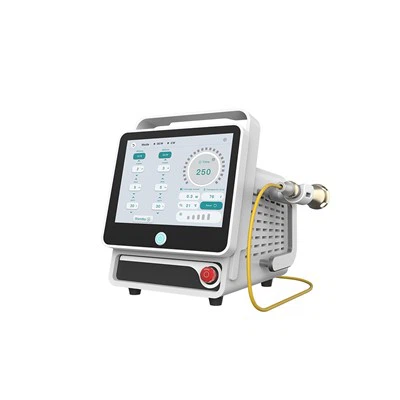




In the pursuit of beauty, people never cease their exploration. Yellow spots on the face and fine lines around the eyes are all signs of aging. Acne scars, uneven skin tone, enlarged pores, and difficult-to-remove tattoos all reinforce the pursuit of beauty. This is why the beauty industry is undergoing rapid technological advancements, and the beauty device market is booming. This is the genesis of the picosecond laser scanner, a multifunctional beauty device that can address a wide range of concerns.
Technology Description
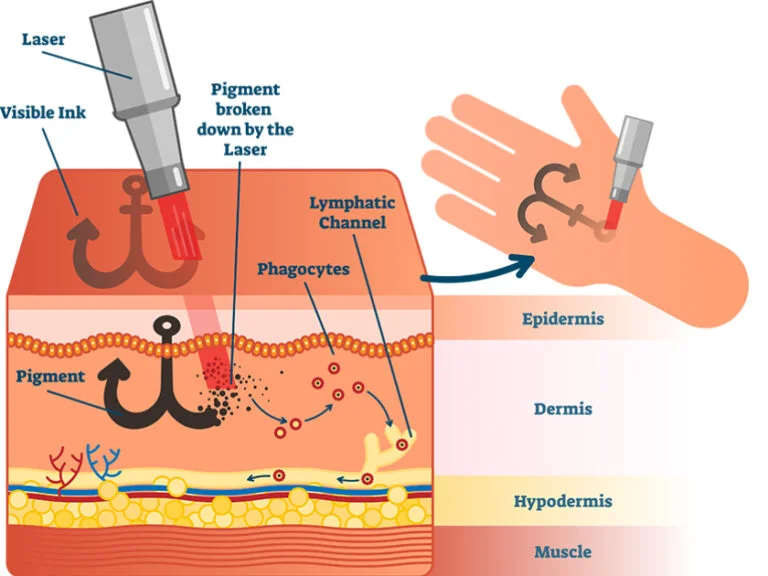
A picosecond is a unit of time, equal to one trillionth of a second. In the beauty field, picosecond technology uses ultrashort laser pulses, releasing energy within a trillionth of a second to precisely shatter pigment particles within the skin. This is like using a sharp knife to cut stubborn spots and tattoo pigment into microscopic fragments, which are then excreted through the body's metabolism, effectively removing spots and tattoos while reducing heat and minimizing thermal damage to surrounding tissue, reducing the risk of side effects.
Picosecond lasers deliver ultrashort pulses of light energy to the skin, creating a photomechanical effect that breaks down unwanted pigment or ink particles into smaller fragments. These fragments are then excreted through the body's natural metabolism. Due to the short pulse duration and minimal heat transfer, surrounding skin is relatively spared from thermal damage. This process not only removes tattoos and pigmentation but also promotes skin regeneration and collagen production, improving skin tone and texture and reducing the appearance of various skin blemishes.
Photomechanical Effect:
Picosecond lasers don't rely solely on light and heat to break down pigments. Instead, they generate powerful pressure waves within the skin. These pressure waves shatter pigment particles into tiny fragments.
product Core Functions
Tattoo Removal
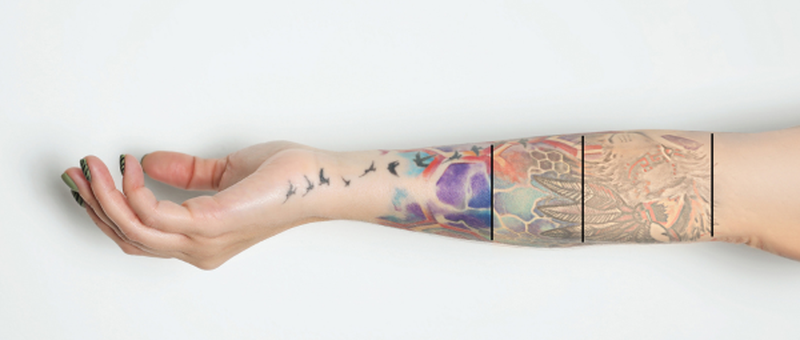
Picosecond lasers can effectively remove tattoos, even stubborn or pigmented ones. Compared to traditional Q-switched lasers, they require fewer treatments and have less downtime.
Pigmentation Correction
It effectively treats and improves various forms of pigmentation by breaking down pigment particles without damaging surrounding tissue. These include common melasma, freckles, sun spots caused by excessive UV exposure, and age spots that appear with aging.
.


Skin Regeneration
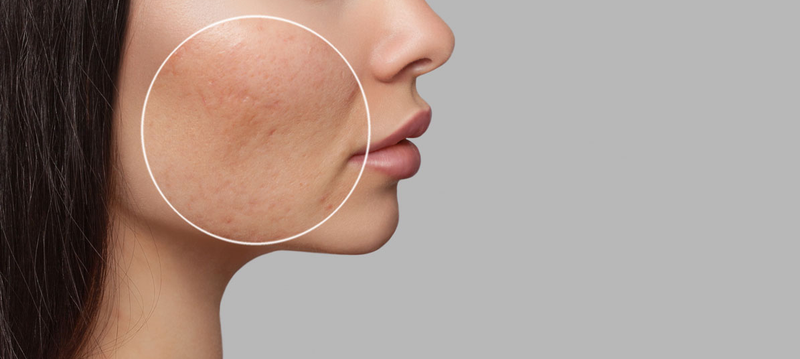
By stimulating collagen and elastin production, it improves skin's condition from the root. This not only reduces wrinkles, firming and smoothing the skin, but also effectively improves scars and significantly improves overall skin tone and texture.
Scar Reduction
The laser creates controlled micro-injuries within the dermis, triggering the body's natural healing response. This stimulates the production of new collagen and elastin, helping to reshape scar tissue for a smoother, flatter appearance.
What effect do you expect?
The innovation of the picosecond laser lies in its ability to deliver high energy in a short period of time, thoroughly breaking down pigmentation, thus reducing treatment time compared to other laser technologies.
Typically, patients with freckles experience results after one or two treatments. For more severe cases, five or six consecutive treatments may be enough to see results.
Laser treatment frequency is: once a month for freckles and twice a month for tattoo removal.
The effectiveness of tattoo removal treatments may vary depending on the intensity and quality of the tattoo pigment.
Six Wavelengths
Our picosecond lasers are available in a variety of wavelengths to target different skin concerns.
Standard:
- 532nm: This wavelength is particularly useful for treating red, orange, and yellow tattoo inks and superficial pigmentation.
- 1064nm: This wavelength is often used to treat darker skin and darker pigmentation, as well as for removing some black and blue tattoos.
Optional:
- 650nm: Commonly used for removing yellow-green tattoos.
- 585nm: Can be used for removing red tattoos, vascular lesions, port-wine stains, etc.
- 755nm: This wavelength is often used for treating pigmented lesions and skin rejuvenation, and can also be used to remove superficial discoloration and improve uneven skin tone.
- 1320nm: Commonly used for freckle removal, acne treatment, facial blackhead/dark spot removal, and skin whitening.
Selecting the appropriate wavelength is crucial for achieving optimal treatment results and minimizing the risk of adverse reactions.
Picosecond Laser VS Q-Switched Laser
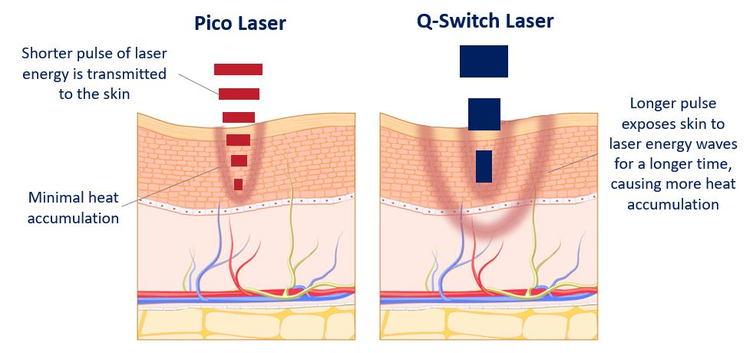
The primary difference between the two lies in their core principles:
Q-switched lasers emit pulses at nanosecond intervals, using instantaneous energy to blast melanin particles, resulting in relatively large particles that must be metabolized by the body.
Picosecond lasers, on the other hand, use pulses at the picosecond level, resulting in more concentrated energy that breaks melanin into finer particles, leading to more efficient metabolism.
Here is a more detailed comparison:
| Category | Picosecond Laser Machines | Q-Switched Laser Machines |
| Therapeutic mechanism | Photomechanical effect | Photothermal effect |
| Recovery period |
Tattoo removal, wrinkle reduction, pigmentation improvement, acne scar removal, remove stubborn dark spots |
Tattoo removal, pigmentation removal, vascular lesion treatment |
| Recovery period | 3-5 hours | Three days, with slight redness afterward |
| Postoperative response | Almost no effect | Dark spots, redness, and dark spots |
| Treatment duration | 10-20 minutes | Thirty minutes |
| Number of treatments | 1-4 treatments can be used |
5-10 applications, but complete removal is difficult |
| Suitable for people |
Those who are pain-averse, seek a quick recovery, and have a sufficient budget |
Those who can tolerate a short scab (approximately 5-7 days) and have a relatively low budget. |
Highlights of Newangie's Picosecond Laser Devices
Long-lasting performance
Ensures high precision with less than 2% energy loss.
High Precision
Laser output is tested in a cleanroom laboratory to ensure optimal accuracy.
Reliable Testing
Each device undergoes 240 minutes of continuous testing to ensure reliability.
Adjustable Spot Size
Easily adjustable directly on the handle for versatile use
High beam
transmittance
Imported coated mirror maximizes energy output while minimizing loss.
Imported from
South Korea
7-joint light guide arm with 360° rotation for ease of use.
Safe operation
Red aiming beam ensures safe and precise operation, minimizing damage to surrounding tissue.
Unlimited
shooting range
Designed for lifetime use, it offers unlimited shooting times.
Picosecond lasers represent a significant advancement in skincare technology, offering precise, safe, and effective treatments for a wide range of skin concerns. They've quickly become a popular choice for both professionals and patients. If you experience these concerns or desire flawless skin, picosecond laser therapy may be your ideal choice, and Newangie is your reliable partner.
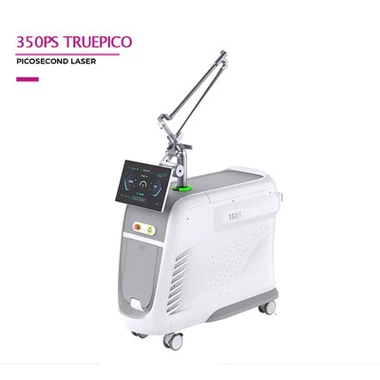
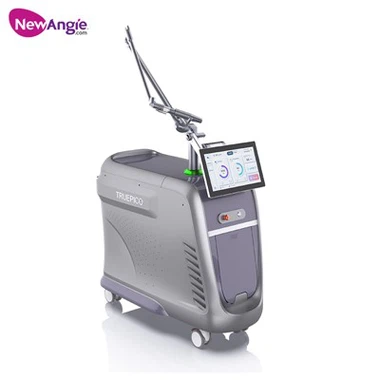
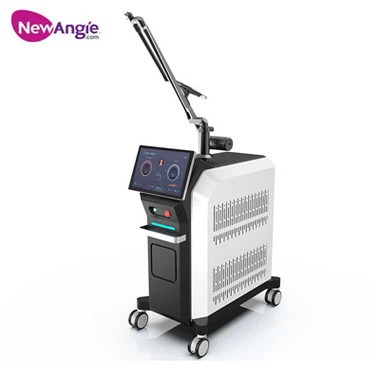
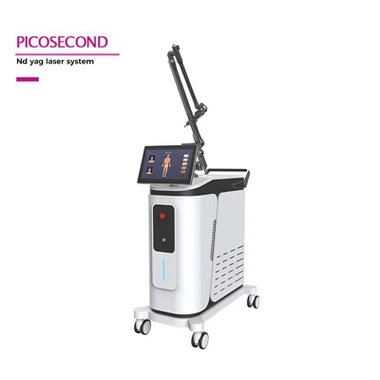
Related Products
What precautions should you take ?
-
Choosing the Right Institution:
Picosecond laser treatment is a medical cosmetic procedure. It is essential to choose a reputable hospital or institution and consult a qualified physician to avoid burns and darkening of the skin due to improper operation.
-
Pre-procedural precautions:
It is recommended that you avoid outdoor activities for at least two weeks before treatment. If you have any medication allergies, especially to anesthetics, or other medical conditions, please inform your physician promptly. Additionally, avoid using makeup, moisturizers, or hairspray on the laser treatment area.
-
Post-procedural care:
Your skin will be fragile after picosecond laser treatment. Strictly follow your physician's instructions for sun protection and hydration. Avoid using irritating skincare products for one week. Some people may develop scabs. Do not remove them by hand. Allow them to fall off naturally, then gently cleanse with a facial cleanser.
If any abnormalities occur, such as rash, swelling, redness, pustules, pain, or itching, consult a doctor immediately.
FAQ
Q: Can everyone undergo picosecond therapy?
A: NO, the following situations require careful consideration or are not suitable for picosecond: Pregnant and breastfeeding women; People with photosensitive skin or those who are sensitive to light; People with severe skin diseases; People with open wounds or infections; People prone to scarring; People with darker skin tones; People who have recently undergone other laser treatments or resurfacing procedures, it is recommended to wait a while before undergoing picosecond laser treatment
Q: Is it safe for people with darker skin?
A: Of course it is. Because the picosecond laser's pulse width is shortened to the picosecond level, the energy is more precisely concentrated, significantly reducing the risk of thermal damage to surrounding tissue.
Q: How long is the downtime?
A: There is virtually no downtime. The built-in cooling system eliminates the need to dissipate heat after several hours of operation and ensures patient safety during treatment.