



Introduction
Laser hair removal has become one of the most common procedures in modern medical aesthetic clinics. Its precision, efficiency, and long-lasting results have made it popular among consumers. However, laser equipment is a high-energy optical instrument-improper use can lead to skin burns, pigmentation, or even equipment damage. Therefore, clinics must establish a comprehensive safety management system when introducing and using laser hair removal equipment. This guide aims to help clinics ensure safety from the source, standardize operational processes, and reduce risks.

Choosing Compliant and Safe Laser Equipment
When purchasing laser hair removal equipment, clinics should prioritize safety and compliance over just effectiveness and price.
• Safety Certifications: Choose equipment with valid certifications such as FDA (U.S.), CE (EU), and NMPA (China). Uncertified equipment may pose safety risks like unstable energy output or insufficient heat dissipation.
• Wavelength Selection Matching Skin and Hair Types:
755nm: With a shorter wavelength, it is better absorbed by light-colored hair, making it suitable for people with fair skin.
808nm: The most versatile option, suitable for most skin types with moderate penetration depth, and is currently the mainstream choice in clinics.
1064nm: The longest wavelength, which can avoid melanin interference, making it more suitable for people with darker skin.
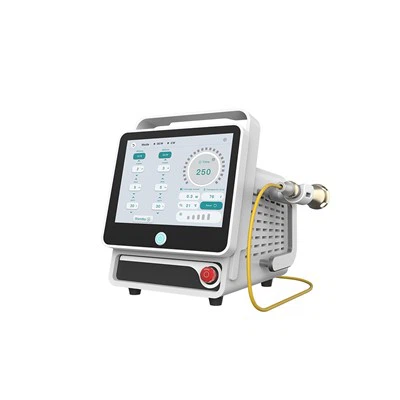
For broader compatibility with different skin types, prioritize equipment that covers multiple wavelength options. The Newangie 1800W 4-Wavelength Diode Laser Hair Removal Machine offers four wavelengths: 755nm, 808nm, 1064nm, and 940nm, ensuring safe, precise, and personalized treatment.
• Key Parameters: Pay attention to wavelength, pulse width, energy density, and whether a cooling system is equipped, to ensure the device can precisely control energy while effectively preventing heat damage.
• After-Sales and Maintenance: Prefer brands with sound after-sales support and maintenance systems to ease future concerns.

Training and Qualification Management for Operators
Doctors or therapists must complete specialized training in medical aesthetic lasers, obtain laser operation certification recognized by local health authorities, and master equipment energy settings, cooling system adjustments, and emergency response procedures.
Before Operation
Check that the laser output port is clean, the cooling system is functioning normally, and energy parameters match the patient's records.
During Operation
Gradually increase energy according to different body parts, rather than setting it to a high level all at once.
After Operation
Record parameters and reactions to provide data reference for subsequent treatment sessions.
Pre-Treatment Patient Assessment
Understanding the patient's condition before treatment is essential for precise and safe laser hair removal.
Medical History and Skin Evaluation
Inquire about photosensitive medication use, skin diseases, pregnancy status, or recent exposure to intense sunlight.
Contraindicated Groups
For people with extremely light or white hair, dark skin, or highly sensitive skin, inform them in advance of differences in effectiveness and risks.
Risk Explanation
Clearly state possible temporary redness, burning sensations, or pigment changes, and obtain the patient's authorization through a written consent form.
Pre-Treatment Preparation
Advise patients to shave the area 24 hours in advance, and avoid exfoliating or alcohol-containing skincare products.
Safe Operation During Treatment
Operators must follow procedures during treatment to avoid errors.
• Protective Gear: Both the patient and operator must wear protective goggles throughout the treatment.
• Energy Setting: Adjust parameters based on skin color, hair thickness, and body part; gradually increase parameters to avoid excessive exposure in one go.
• Cooling Cooperation: Use a handpiece with a cooling system to make treatment comfortable and effective, reducing the risk of heat damage.
• Real-Time Observation: Monitor skin reactions; pause immediately if excessive redness or burning occurs.
Cooling cooperation is key to reducing heat damage. Newangie's diode laser hair removal machines integrate a TEC + compressor cooling system, which can cool down in just 10 seconds to a minimum temperature of -27°C, ensuring efficient, safe, and comfortable treatment.

Post-Treatment Care and Follow-Up Guidance
Providing clear post-treatment instructions helps patients recover better. This not only shows responsibility to patients but also reflects professionalism and quality service.
• Immediate Care: Apply cold compresses immediately after treatment, apply soothing repair cream, and avoid sun exposure.
• Reminders: Avoid hot water, saunas, strenuous exercise, and acid or alcohol-containing skincare products within 48 hours.
• Follow-Up Scheduling: Explain that multiple treatments are needed for optimal results, with an interval of 4–8 weeks between sessions.
• Handling Abnormal Reactions: If pigmentation or blisters occur, guide the patient to seek medical attention promptly and document the case.
Equipment Maintenance and Quality Control
Laser equipment is a precision instrument that requires regular maintenance.
Daily Maintenance
Clean the probe lens and cooling window after operation, and keep the housing dry and clean.
01
Regular Calibration
Conduct regular energy output tests in accordance with manufacturer requirements and industry standards to prevent laser energy drift.
02
Part Replacement
Replace components such as filters, cooling fluids, and laser tubes according to the scheduled cycle.
03
Record System
Establish a maintenance log, noting the date, personnel, and items of each maintenance session.
04
Safety Inspections
Conduct regular self-inspections to ensure equipment labels are intact and alarm functions work properly.
05
Regulatory Compliance and Insurance Matters
Compliant operation is essential for clinics to safely use equipment and ensure long-term business.
• Regulatory Compliance: Ensure the equipment is registered with relevant authorities, and operators hold valid certificates.
• Informed Consent Forms: Have patients sign treatment consent and risk disclosure forms to clarify liability boundaries.
• Insurance Configuration: It is recommended to purchase medical liability insurance and equipment insurance to reduce unforeseen losses.

Conclusion
The key to laser hair removal safety management lies in systematic implementation-every link directly affects treatment safety and effectiveness. Clinics should establish standard operating procedures (SOPs), regularly review safety processes, and maintain communication with equipment manufacturers.
Of course, the starting point for all this is choosing compliant, high-quality laser hair removal equipment. As a top laser hair removal supplier in China, Newangie's products are FDA and CE certified, ensuring high quality. We also provide comprehensive technical and promotional support to solve your problems. If you are interested in cooperating with us, please contact us.