





Introduction
Choosing an RF microneedling machine manufacturer involves more than comparing product specifications and wholesale prices. Distributors, importers, and OEM brands need to verify whether a supplier can maintain consistent product quality, provide valid compliance documents, fulfill bulk orders, and offer reliable after-sales support. Before committing to a large purchase, buyers should evaluate five key areas: manufacturing capabilities, product quality, regulatory documentation, customization services, and order fulfillment.
1. Verify the Manufacturer's Production Capabilities
Before evaluating product quality or negotiating prices, buyers should establish whether a supplier actually manufactures RF microneedling machines or relies primarily on third-party factories.
Check Factory Facilities and Manufacturing Responsibilities
Request factory photos, production videos, or an online factory audit to verify where machines are assembled and tested. Pay attention to production areas, assembly workstations, quality inspection facilities, and component storage.
Buyers should also clarify which processes are handled in-house and which are outsourced. Purchasing electronic components from external suppliers is common, but the manufacturer should remain responsible for final assembly, product inspection, and quality control.
Confirm Production Capacity and Technical Support
Ask about monthly production capacity, current order commitments, and the lead time for your required quantity. Check whether the supplier can maintain consistent production and provide replacement handpieces, needle cartridges, and other essential accessories for repeat orders.
Also confirm whether an in-house engineering team handles product configuration, technical troubleshooting, and production changes. These capabilities help determine whether the supplier can support long-term cooperation rather than simply complete an initial shipment.
2. Evaluate Product Quality and Batch Consistency
RF microneedling machine quality depends on more than exterior design or advertised power. Buyers should examine the components that affect RF energy delivery, needle penetration, and operating stability, then verify how the manufacturer controls quality during mass production.
Inspect the Critical Components
|
Component |
What Buyers Should Verify |
|
RF Energy System |
Frequency, output specifications, adjustable settings, and output stability |
|
Needle Cartridge |
Needle material, quantity, insulation structure, and compatibility |
|
Depth Control |
Adjustable range and control accuracy |
|
Treatment Handpiece |
Connection stability, operating response, and replacement availability |
|
Control System |
Parameter adjustment, interface, and protective functions |
Request technical specifications for the exact machine and cartridge configuration. Different needle structures, insulation designs, and RF frequencies should not be treated as interchangeable.
Review Quality Control and Sample Testing
A reliable manufacturer should have documented inspection procedures covering incoming components, machine assembly, functional testing, and final inspection.
Ask whether each machine undergoes appropriate checks of RF functions, control settings, handpiece operation, and electrical safety. Request representative inspection records and clarify which tests are performed on every unit versus on a sampling basis.
Before bulk production, evaluate a complete sample against the agreed specifications. Check its operating functions, cartridge compatibility, handpiece connections, and documentation. The approved sample should become the reference for mass production.

Buyers should also agree on first-article approval, batch inspection, and change-control procedures to prevent unauthorized differences in components or configurations.
3. Assess OEM/ODM Capabilities for Your Target Market
For distributors and private-label brands, OEM/ODM services determine whether a manufacturer can support product differentiation and repeat orders. Buyers should establish the actual customization scope before discussing costs and production schedules.
Confirm Available Customization Options
Common customization requirements include:
- Branding: Logo placement, product labels, and branded packaging.
- Appearance: Machine colors, exterior finishes, and design details.
- Software: Interface language and supported display customization.
- Hardware: Compatible handpieces, needle cartridges, and available configurations.
- Documentation: Customized manuals, brochures, and packaging materials.
Cutomize Aesthetic Equipment in All Aspects
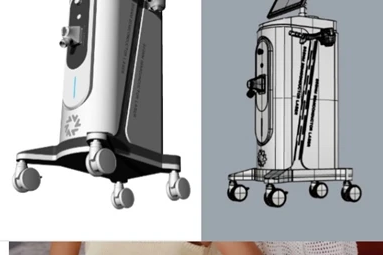
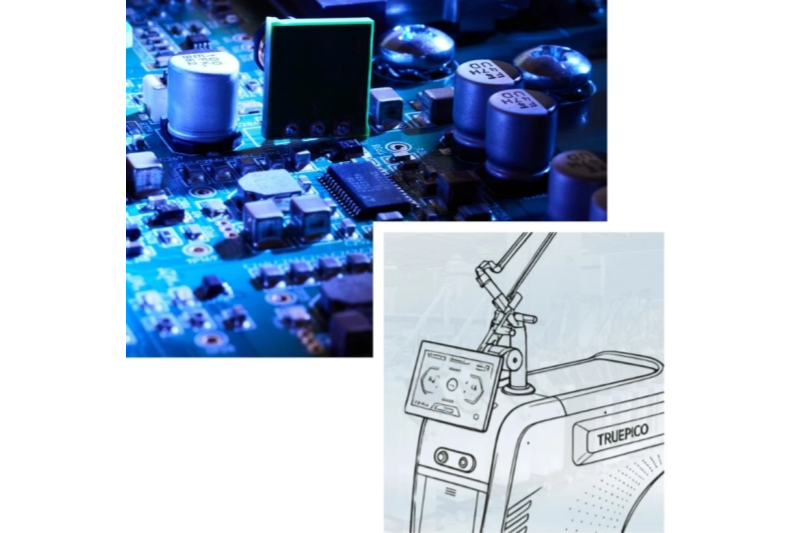
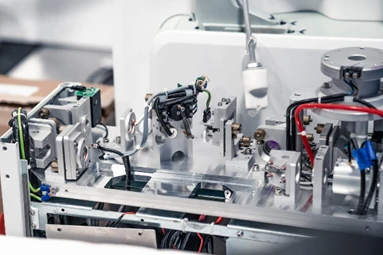
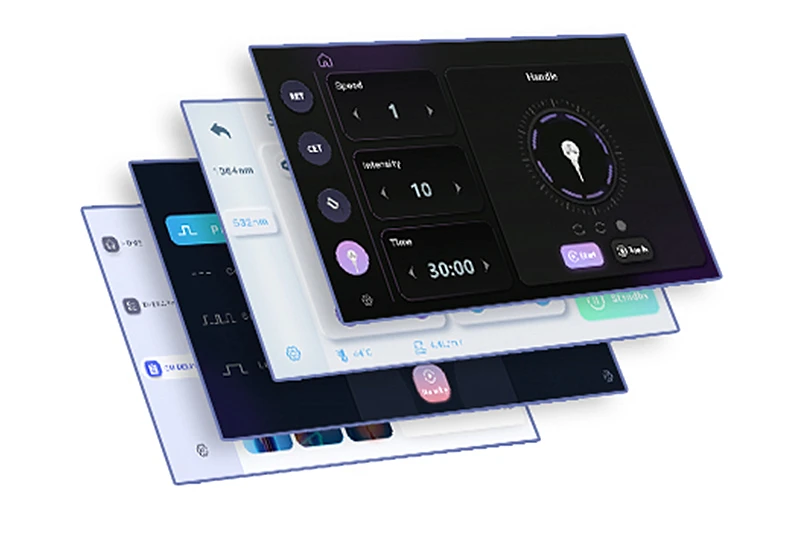
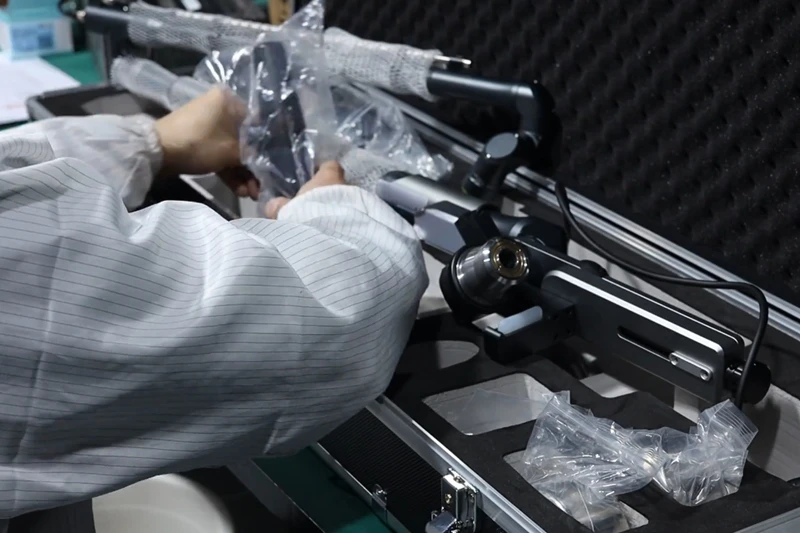
Ask the supplier to distinguish standard customization from changes requiring new engineering work or additional testing.
Confirm MOQ, Development Costs, and Product Responsibilities
Before approving a private-label project, request a quotation covering MOQ, sample development time, customization charges, and bulk production lead time.
Also clarify ownership of customized designs, software, and branding materials, as well as any regional distribution or exclusivity arrangements.
For regulated markets, both parties should establish responsibility for product labels, technical documentation, regulatory updates, and product changes.
4. Evaluate Bulk Delivery and After-Sales Support
A suitable RF microneedling machine supplier should be able to deliver the approved product configuration on schedule and provide support after the equipment reaches the distributor.
Confirm Production and Shipping Arrangements
Request a production schedule covering order confirmation, sample approval, mass production, final inspection, and shipment.
Product Packing Solutions
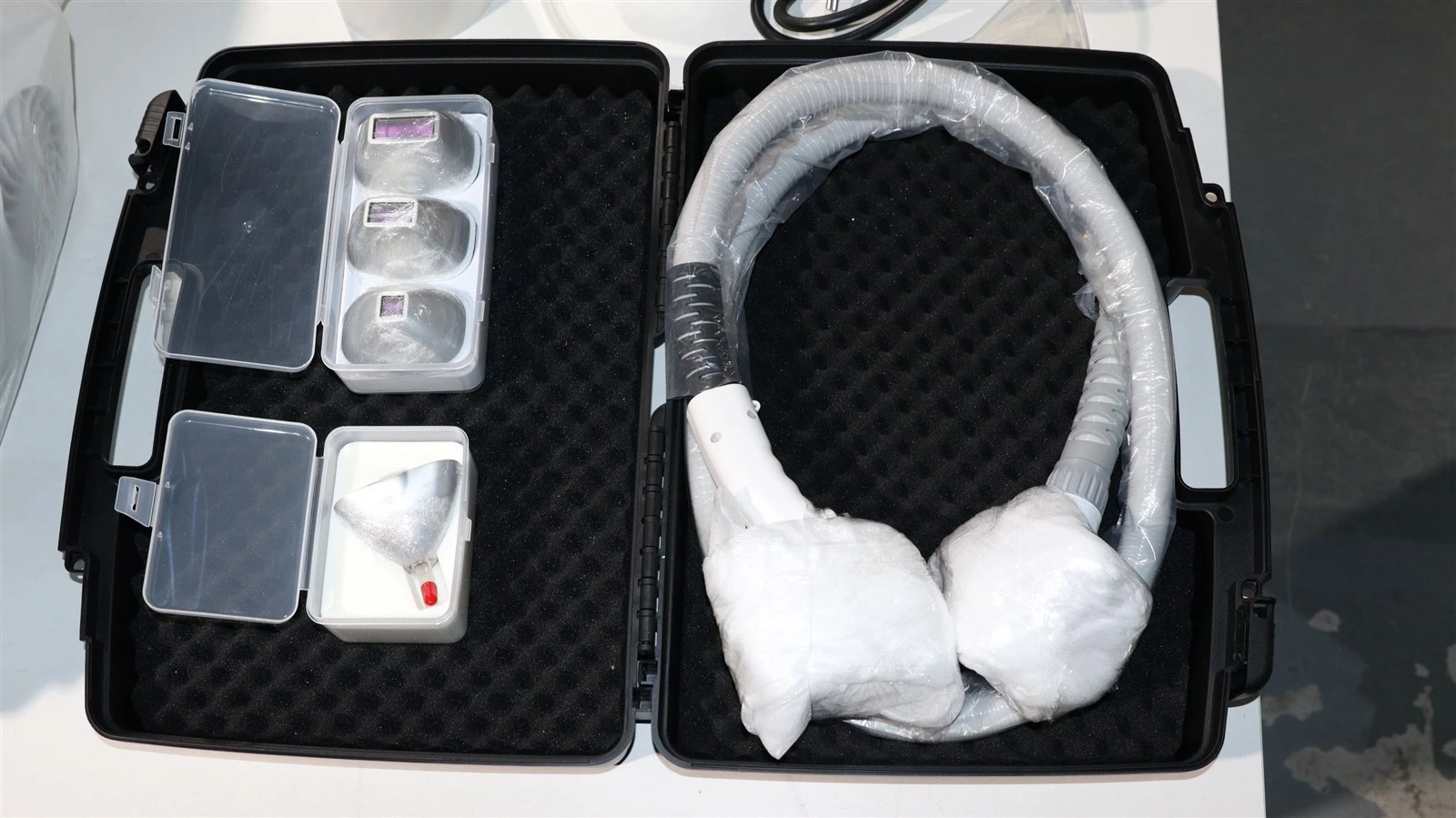
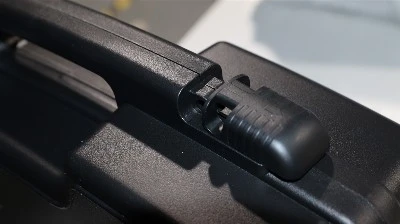
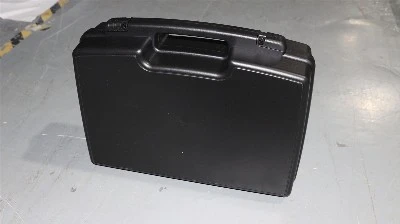
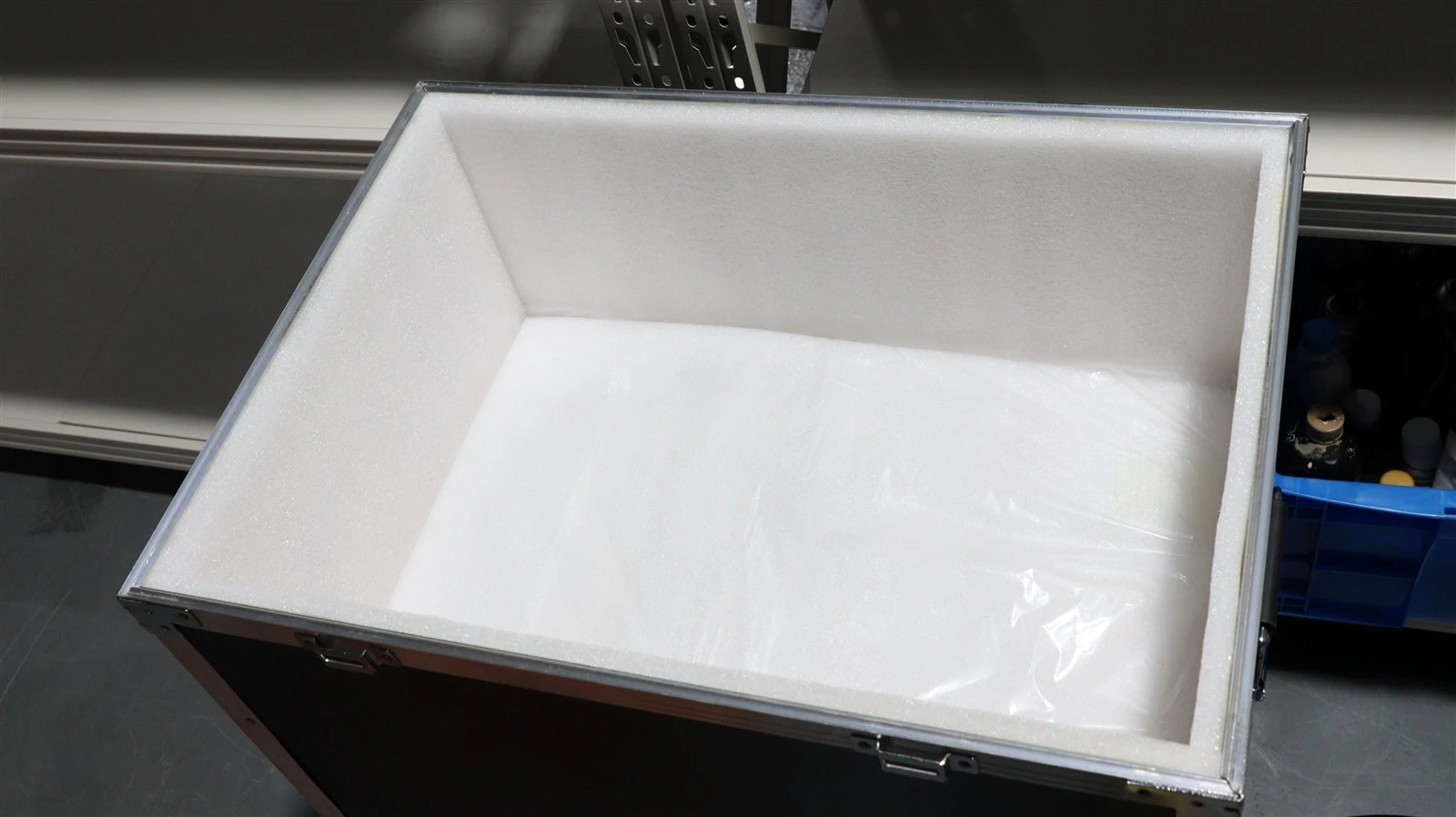
Before signing the contract, confirm:
- Production lead time based on the actual order quantity.
- Whether partial shipments are available.
- Packaging protection for machines, handpieces, and cartridges.
- Shipping methods, Incoterms, insurance, and customs documentation.
- Procedures for reporting missing or damaged goods.
Review Warranty and Technical Support
Overseas distributors should clarify the service responsibilities of the manufacturer before purchasing.
|
Service Item |
What to Confirm |
|
Warranty |
Coverage period for the machine, handpiece, and accessories |
|
Spare Parts |
Availability and replacement costs |
|
Technical Support |
Remote troubleshooting and engineering assistance |
|
Training |
English manuals and operating guidance |
|
Repairs and Replacements |
Claims procedures and associated costs |
Pay particular attention to warranty exclusions and consumable replacement conditions. Ask the supplier to confirm response times and the process for handling defective equipment.
Newangie provides a 1-year warranty for beauty devices and 6-month coverage for handles and consumables.
5. Compare Suppliers Before Placing a Bulk Order
After reviewing manufacturing, quality, compliance, customization, and service capabilities, buyers should compare shortlisted suppliers using consistent evaluation criteria.
Use a Supplier Evaluation Checklist
|
Evaluation Criteria |
Evidence to Request |
|
Manufacturing |
Factory records and production information |
|
Production Capacity |
Available capacity and delivery schedule |
|
Product Quality |
Specifications, test reports, and QC records |
|
Compliance |
Valid certificates and model-specific documents |
|
OEM/ODM |
Customization proposal, MOQ, and quotation |
|
Delivery |
Production schedule and shipping terms |
|
After-Sales |
Warranty policy and service agreement |
A low quotation should not compensate for missing regulatory documents, inconsistent product specifications, or unclear warranty responsibilities.
Identify Warning Signs
Pay attention to suppliers that:
- Cannot demonstrate their actual manufacturing arrangements.
- Provide certificates that do not match the purchased model.
- Cannot explain key technical specifications or testing procedures.
- Offer samples that differ from the proposed bulk production configuration.
- Make unclear promises about delivery, customization, or after-sales service.
These issues should be resolved before payment and mass production.
Approve a Sample Before Mass Production
Before placing a large order, complete three essential steps:
- Sample Evaluation: Verify the machine's functions, technical configuration, and accessory compatibility.
- Document Approval: Confirm the product specifications, regulatory documents, labels, and user manual.
- Contract Confirmation: Define the approved configuration, acceptance criteria, MOQ, lead time, payment terms, and warranty responsibilities.
Once these requirements are confirmed, the manufacturer can proceed with bulk production based on the approved sample and agreed specifications.
Conclusion
Choosing an RF microneedling machine manufacturer requires verifiable evidence of manufacturing capabilities, product quality, regulatory compliance, and long-term service support. Before bulk ordering, distributors, importers, and OEM brands should approve a sample, verify model-specific documentation, and establish clear contractual responsibilities. Contact us to discuss your RF microneedling machine requirements, request product documentation, and explore OEM/ODM cooperation for your target market.
Machine Manufacuturer Evaluation Recommendation for You