



If you are an elderly person suffering from diabetic foot ulcers, and the wound takes months to heal, you may face the risk of amputation; if you are an athlete, and a ligament sprain causes persistent pain and swelling, it can cast a shadow over your career. Whether it's a sprained ankle, annoying tendinitis, or a more serious muscle tear, traditional treatments are often limited to debridement, dressings, and antibiotics, failing to fundamentally activate the body's own repair potential.
To address this challenge, physicians worldwide are focusing on finding highly effective solutions to rapidly promote wound healing. One such therapy gaining significant attention in sports medicine, physical therapy, and rehabilitation is cold laser therapy.
Cold laser therapy, also known as low level laser therapy (LLLT), uses specific wavelengths of light to stimulate the body's own healing processes, helping to reduce pain, inflammation, and accelerate tissue repair. This technology, known as "photobiomodulation," is used in thousands of hospitals and rehabilitation centers globally, becoming a powerful tool for accelerating wound healing.
If you are recovering from an injury and want to return to health faster, can cryo-laser therapy truly accelerate wound healing? Let's explore the principles and powerful effects of this innovative therapy.
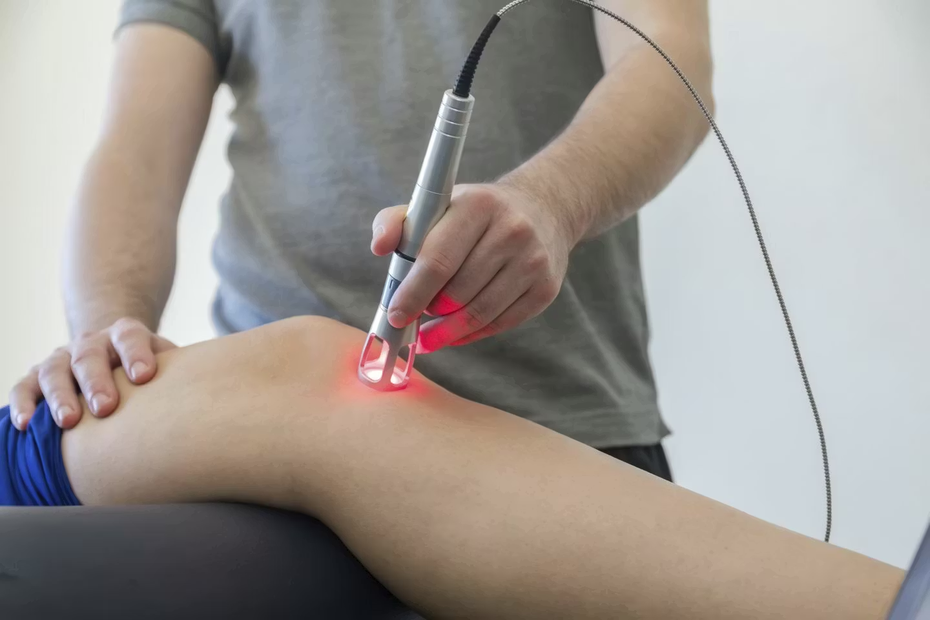
What is Cold Laser Therapy?
Cold laser therapy, scientifically known as photobiomodulation (PBM), formerly called Low-Level Laser Therapy (LLLT), uses red or near-infrared light with wavelengths typically between 600nm and 1100nm to irradiate human tissue at extremely low energy densities (usually 1-10 J/cm²). It's called a "cold" laser because its output power is extremely low (typically 5mW to 500mW), producing no perceptible heat during irradiation, unlike the high-power lasers used in surgery that generate heat and cut tissue.
During treatment, the laser probe is simply placed lightly against or close to the injured area for several minutes to over ten minutes each time. The patient will only feel a mild warmth or no sensation at all. This safe, painless, and non-invasive nature has led to increasing attention in fields such as rehabilitation medicine, dermatology, dentistry, and sports medicine.
The Principle Behind Low Level Laser Therapy Promoting Wound Healing
The core secret of cold laser therapy lies in how light energy is absorbed by cells and tissues and transformed into a repair driving force.
Enhancing Cellular Energy (ATP):
Mitochondria in cells are often called "energy factories," and their key enzyme-cytochrome c oxidase-is a natural photoreceptor for red and near-infrared light. When photons of specific wavelengths irradiate cells, this enzyme absorbs the photon energy, accelerating the electron transport chain and significantly increasing the production of adenosine triphosphate (ATP).
ATP is the direct energy source for cellular protein synthesis, DNA replication, and cell division. It can serve as fuel for damaged cells, enabling them to repair more quickly.
In addition to increasing ATP production, cold laser therapy has several other beneficial effects on the injured area:
-
Promoting Collagen Synthesis:
It stimulates the activity of fibroblasts, which is crucial for building new, healthy connective tissue and strengthening the skin.
-
Reducing Inflammation and Swelling:
This therapy modulates the inflammatory response, reduces pro-inflammatory mediators, promotes lymphatic drainage to remove debris, and reduces swelling and pain (often accompanying symptoms after injury).
-
Improved blood circulation:
Promotes the growth of new microvessels, improving blood flow and oxygen delivery to wounds. It also helps remove metabolic waste.
-
Promoted tissue regeneration:
Low-intensity laser therapy can accelerate the healing of damaged tissues (skin, ligaments, tendons) and reduce scar tissue formation.
What Types of Injuries are Suitable for Cold Laser Therapy?
The indications for cold laser therapy are quite broad, mainly including the following categories:
- Acute skin wounds: such as postoperative incisions, abrasions, superficial burns, donor site wounds, etc.
- Chronic, refractory wounds: diabetic foot ulcers, pressure ulcers, venous leg ulcers, radiation dermatitis, etc. These wounds often remain in the inflammatory phase due to local ischemia, infection, or persistent inflammation; cold lasers can effectively "restart" the healing process.
- Soft tissue injuries: including muscle strains, ligament sprains, tendinitis, contusions, joint capsule injuries, etc. Cold lasers help wounds heal faster by promoting local microcirculation, reducing edema and inflammation, and stimulating collagen remodeling.
- Nerve injuries: such as after peripheral nerve resection, postherpetic neuralgia, facial neuritis, etc. Lasers can promote axonal regeneration and myelin formation.
- Joint injuries: Delayed fracture healing, nonunion, osteoarthritis, and other conditions can often benefit from the anti-inflammatory and analgesic effects of low-intensity laser therapy.
Benefits of Cold Laser Therapy for Promoting Wound Healing
This non-invasive method is widely used to treat a variety of conditions, including burns, skin injuries, and postoperative wounds.
- Faster Recovery Time: By accelerating the natural repair process, it can shorten the overall recovery time for surgical incisions and acute wounds.
- Pain Relief: It exerts its analgesic effect by reducing nerve sensitivity and triggering the release of endorphins.
- Treatment of Chronic Wounds: For example, it can stimulate the healing process of dormant or "stagnant" chronic ulcers (such as venous ulcers or pressure sores).
- Minimally or No Side Effects: When performed correctly by an experienced professional, cold laser therapy is very safe with minimal side effects; some people experience almost no side effects after treatment and usually do not feel any discomfort.
- Reduced healthcare costs: Faster healing means fewer dressing changes, hospitalizations, and follow-up treatments, saving money for both patients and the healthcare system.
- No drug interactions: Can be safely used in conjunction with any standard treatment (debridement, dressings, antibiotics, growth factors, etc.) for better results.
Are You a Suitable Candidate for Cold Laser Therapy?
While cold laser therapy is safe, it is not suitable for everyone, nor is it a panacea. Before considering treatment, it is recommended to evaluate the following aspects:
Suitable Candidates:
- Those with acute or chronic wounds that are not responding well to traditional treatments or are healing slowly
- Those who wish to accelerate postoperative wound healing and reduce scarring
- Those who need to return to training as soon as possible after sports injuries
- Those allergic to medications or unable to tolerate routine pain management
- Those with frequent or persistent oral ulcers
- Those with decreased healing ability, such as the elderly, diabetics, or those who have undergone radiation therapy
Contraindications and Precautions:
- Direct irradiation of the eyes, thyroid gland, uterine area of pregnant women, and malignant tumor sites is prohibited (unless specifically studied).
- Caution is advised for those with photosensitivity disorders or those currently taking photosensitizing drugs (such as certain antibiotics or retinoic acid).
- Those with bleeding tendencies or those currently using anticoagulants should avoid irradiating areas with open large blood vessels.
- Treatment is not recommended for patients with fever or active tuberculosis.
- Children should undergo treatment under the guidance of a professional physician, and the energy parameters should be adjusted accordingly.
Best Practice : An evaluation should first be conducted by a qualified rehabilitation specialist, dermatologist, or laser medicine specialist to clarify the diagnosis and develop an individualized treatment plan (including wavelength, energy density, treatment frequency, and total treatment course). Do not purchase low-power home laser devices and use them blindly, as improper parameters may render them ineffective or even delay treatment.