



Fractional CO2 laser is one of the most widely used technologies in the field of cosmetic dermatology. Its remarkable effectiveness in improving facial problems such as acne scars, wrinkles, and enlarged pores has garnered increasing attention from those seeking cosmetic enhancements. Whether you are a seasoned clinic or beauty salon owner with years of experience in the medical aesthetics industry, or a newcomer to fractional CO2 lasers, reading this article about some frequently asked questions you might have about fractional CO2 lasers will be helpful in your future business operations and treatment decisions.
What is fractional CO2 laser? How does it improve facial skin?
Fractional CO2 laser is an ablative laser technology based on the principle of focal photothermal action. Its core mechanism involves the laser emitting a 10600nm ultrapulse beam that acts on the skin in a fractional pattern, creating multiple three-dimensional cylindrical micro-thermal damage zones. Each micro-damage zone is surrounded by undamaged normal tissue. The keratinocytes in these normal tissues rapidly initiate a repair process, promoting wound healing, while simultaneously stimulating the proliferation and rearrangement of collagen and elastin fibers in the dermis.
This "selective damage + comprehensive repair" model allows fractional CO2 laser to retain the powerful treatment capabilities of traditional lasers while significantly reducing thermal damage and recovery burden on the skin, offering clear advantages over traditional laser technology.
What facial problems can fractional CO2 laser improve?
Fractal CO2 laser has a wide range of applications. Based on clinical indications, it mainly includes the following categories:
Scarring problems
- Atrophic scars: The most common are acne scars. Acne scars are essentially tissue defects formed when inflammation damages the collagen tissue in the dermis, preventing the regeneration and filling of these defects. Fractional CO2 lasers penetrate deeply and have high energy, making them the ideal medical aesthetic solution for treating acne scars.
- Hypertrophic scars: Fractional lasers can also effectively treat hypertrophic scars. The mechanism may be abnormal collagen fiber rearrangement and destruction of new blood vessels after laser treatment.
Skin aging problems
Including facial and forehead wrinkles, crow's feet around the eyes, nasolabial folds, photoaging, skin laxity, and enlarged pores.
CO2 Fractional lasers can tighten the skin and reduce deep and fine lines, especially suitable for the skin around the eyes and mouth. It is considered an effective facial rejuvenation treatment with relatively short side effects and downtime.
Pigmentation lesions:
Such as freckles, sun spots, melasma, age spots, etc. Large pigmented spots are broken down by laser and can be expelled from the body with skin flakes or gradually metabolized through the lymphatic system.
Improved skin texture and tone:
Smooths rough and uneven skin, minimizes pores, promotes collagen production, and makes skin firmer.
How effective is the treatment? To what extent can I expect to recover?
Laser treatment is highly effective and often considered the gold standard in skin regeneration, significantly improving skin texture, tone, and firmness. It works by stimulating collagen production, specifically targeting deep wrinkles, acne scars, and sun damage. Most patients see lasting, natural improvements after a 1-2 week recovery period. The effects typically last about one year.
It's important to note that the effects of fractional CO2 laser treatment are cumulative, with continuous improvement with each treatment session. Generally, a course of treatment requires 3 to 6 sessions, spaced 1 to 2 months apart.
As time goes on, because aging is an unavoidable factor, the skin may gradually sag and age again. Those who wish to continue cosmetic procedures should consult a doctor and consider further treatment.
Is fractional CO2 laser treatment painful?
Fractal CO2 laser treatment is generally considered to be uncomfortable, not excruciatingly painful. Most patients describe the sensation as a strong burning or stinging feeling, similar to sunburn. While it can be uncomfortable, the symptoms can be well controlled by using local anesthetic creams, oral medications, or nerve blocks beforehand. Immediate cold compresses after the procedure can also significantly relieve discomfort.
Modern technology and experienced professionals can make the procedure virtually painless. Therefore, it is essential to choose a professional physician with extensive experience in fractional CO2 laser treatment before undergoing the procedure.
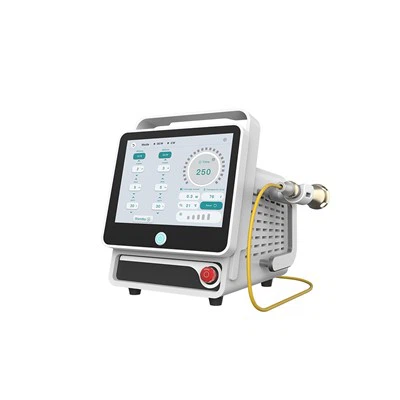
In addition, a professional CO2 fractional laser device is also an important factor in ensuring stable energy output and ideal treatment results. For medical aesthetic institutions such as clinics or beauty salons, it is essential to purchase high-end, high-quality fractional CO2 laser devices from reliable manufacturers or distributors. For individual consumers, it is necessary to investigate the brand and quality of the equipment used by medical aesthetic institutions, and they can request real treatment cases or videos.
What are the potential adverse reactions after the procedure? Is it safe?
Any invasive laser treatment carries the risk of potential adverse reactions, but fractional CO2 lasers generally have a good safety profile. Common adverse reactions mainly include the following:
Erythema/Edema:
Transient redness and swelling at the treatment site are normal and usually subside within 3 to 5 days. Most cases resolve spontaneously without special treatment.
Scabbing:
A thin scab will form after treatment, which is a normal healing process. The scab usually falls off spontaneously within 10 to 20 days.
Post-inflammatory hyperpigmentation:
This is one of the most concerning complications for patients. For Asian populations, the risk of hyperpigmentation is relatively higher due to more active melanocytes in the skin. However, most hyperpigmentation is low in intensity and short in duration, and generally resolves spontaneously without treatment, usually within 3 to 6 months.
Hypopigmentation:
This occurs less frequently and is usually temporary.
Infection and scarring:
This complication is rare but warrants attention, often occurring when aseptic technique is not strictly followed or post-operative care is inadequate.
In general, most adverse reactions are temporary skin reactions that can be resolved by adjusting treatment parameters and taking appropriate postoperative care measures.
What should you pay attention to after post-operative care?
Post-operative care directly affects the treatment effect and the incidence of complications. Here are some key points:
Keep the wound clean and avoid water contact.
After CO₂ laser treatment, the skin has tiny wounds and should be kept dry (generally 3 to 7 days). Keep the treated area clean and dry. For larger wounds, this period can be extended to 7 days as directed by your doctor.
Wait for the scab to fall off naturally. After the treated area scabs, do not pick at it. Let the scab fall off naturally; this is a natural skin protection mechanism.
Strict sun protection.
Sun protection is paramount in post-operative care. Avoid sun exposure for one month before treatment; after treatment, strict sun protection is necessary. It is recommended to use a broad-spectrum mineral sunscreen with SPF 30 or higher, combined with physical sun protection (hats, masks, parasols, etc.).
Diet and lifestyle management.
Avoid smoking, alcohol, spicy and irritating foods, and photosensitive foods. Increase your intake of fruits and vegetables rich in Vitamin C.
Avoid strenuous exercise and high-temperature environments (such as saunas and hot springs) for one week during treatment to reduce the risk of infection from sweating.
Avoid makeup until the treated area is completely healed.
Use medication as prescribed. If necessary, apply antibacterial or antiviral medications as directed by your doctor; those with a history of herpes should inform their doctor in advance, as antiviral medication may be required for prophylaxis.
Who is unsuitable for fractional CO2 laser treatment?
- Active facial infections;
- Individuals with a tendency to form keloids;
- Those with a recent history of sun exposure before treatment;
- Pregnant and breastfeeding women;
- Those with photosensitive allergies or taking photosensitizing medications;
- Patients with severe chronic systemic diseases;
- Patients with active vitiligo or psoriasis;
- Those with excessively high expectations for treatment results or those with mental disorders.
How to choose between fractional CO2 laser and non-ablative fractional laser?
This is a common question. Both ablative and non-ablative fractional CO2 lasers have their advantages:
Ablative fractional CO2 laser:
stronger effect, deeper penetration, and more noticeable results per session; however, the recovery period is longer (approximately 7 to 14 days), and the risk of pigmentation is higher, especially for Asian skin types requiring careful evaluation.
Non-ablative fractional laser:
does not damage the epidermis, reaching deep into the skin to stimulate collagen regeneration, with a shorter recovery period (approximately 3 to 7 days); however, the effect per session is relatively weaker, requiring more treatments (usually 5 to 7 sessions), making it a suitable first choice for improving fine lines, enlarged pores, and other mild skin aging issues.
If you are unsure which laser treatment is right for you, you can seek help from a professional physician (a reputable local doctor or consult a professional doctor online). The doctor will comprehensively evaluate your specific skin problems, skin type, acceptable recovery period, and expectations, and recommend the most suitable treatment plan.
Fractional CO2 laser treatment is a mature, safe, and effective facial skin improvement technology. Most people can achieve smoother, more flawless facial skin using this technology. Its success depends not only on the equipment itself but also on proper operation and scientific post-operative care.
It is recommended that individuals seeking skin improvement undergo an evaluation at a reputable medical institution so that a professional doctor can develop a personalized treatment plan to maximize the improvement effect while minimizing the risk of adverse reactions.