





Introduction
Electrotherapy is widely used in modern physical therapy systems because it supports non-invasive rehabilitation, pain relief, and functional recovery across clinics and therapy centers. Its value becomes clearer when viewed through both the devices involved and the clinical applications they support in daily practice.

What Is Electrotherapy in Physical Therapy
Electrotherapy in physical therapy refers to the use of electrically or energy-driven treatment methods to support rehabilitation, pain management, and functional recovery in clinical practice. Within modern physical therapy systems, it is commonly used as part of a broader treatment approach that helps therapists address muscle activation, soft tissue response, and recovery support through different device technologies. Rather than representing a single machine type, electrotherapy is better understood as a treatment category that can include multiple therapeutic modalities applied across different rehabilitation needs.
Why Electrotherapy Is Used in Modern Physical Therapy
Electrotherapy is used in modern physical therapy because it fits well within non-invasive rehabilitation programs that aim to improve pain management, recovery support, and functional treatment flexibility. In daily clinical practice, it helps therapists address a wider range of rehabilitation needs by combining targeted treatment methods with adaptable device options. This broader usability makes electrotherapy a practical component of contemporary physical therapy systems, especially in settings that value structured treatment planning and versatile therapy workflows.
Common Electrotherapy Devices Used in Physical Therapy
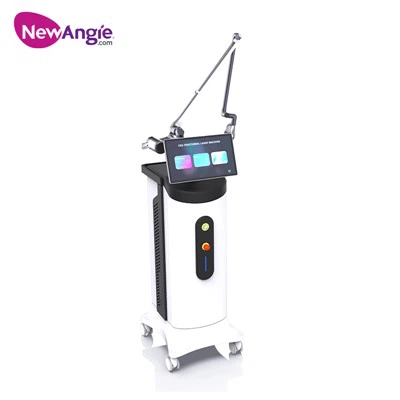
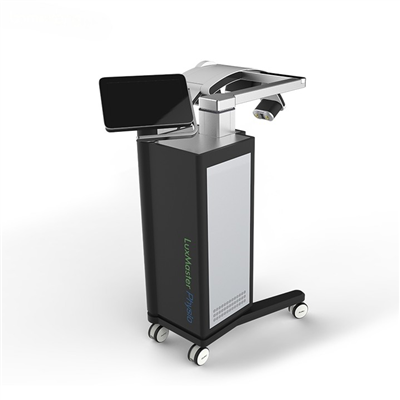
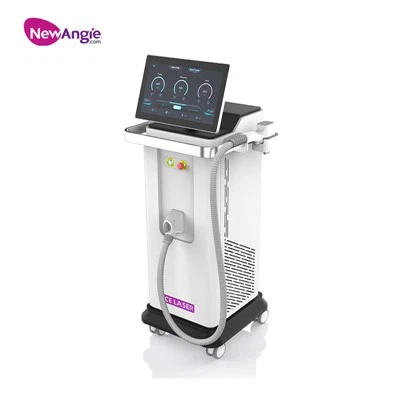
Electrotherapy in physical therapy is delivered through several core device categories rather than one single machine type. In clinical and rehabilitation settings, the most practical way to understand these devices is to group them by therapy focus and how they fit into broader physical therapy systems:
|
Device Category |
Main Therapy Focus |
Typical Physical Therapy Use |
|
EMS-Based Devices |
Muscle stimulation and recovery support |
Used in rehabilitation programs involving muscle activation, recovery support, and broader physiotherapy planning. |
|
Low-Level Laser Therapy Systems |
Non-invasive therapy for pain relief and tissue support |
Commonly discussed in physical therapy settings that value flexible, clinic-based rehabilitation applications. |
|
More targeted laser-based physiotherapy support |
Often considered in clinics and therapy centers focusing on pain relief and musculoskeletal rehabilitation needs. |
|
|
Integrated Physical Therapy Systems |
Multi-modality treatment support |
Suitable for practices that need broader treatment versatility within one physical therapy workflow. |
Clinical Applications of Electrotherapy in Rehabilitation Settings
Electrotherapy is applied in rehabilitation settings across more than one treatment direction, which is why it remains relevant in modern physical therapy planning. In practice, its clinical value is easier to understand when common rehabilitation needs are viewed alongside the treatment focus and the more suitable device category:
|
Clinical Need |
Treatment Focus |
Suitable Device Category |
|
Musculoskeletal Pain Management |
Support structured non-invasive treatment for back, neck, shoulder, and knee-related rehabilitation needs |
EMS-Based Devices, Low-Level Laser Therapy Systems, 980 Physiotherapy Instruments |
|
Muscle Activation and Recovery |
Improve muscle response, recovery support, and rehabilitation continuity within therapy programs |
EMS-Based Devices, Integrated Physical Therapy Systems |
|
Post-Treatment Rehabilitation Support |
Strengthen recovery-oriented treatment planning after routine therapy sessions or physical training |
Low-Level Laser Therapy Systems, 980 Physiotherapy Instruments, Integrated Physical Therapy Systems |
|
Multi-Area Clinic Use |
Cover different rehabilitation directions within one clinic or therapy center through broader modality integration |
Integrated Physical Therapy Systems |
|
Structured Physical Therapy Programs |
Support more organized rehabilitation workflows with device-based treatment, training, and clinical application planning |
Integrated Physical Therapy Systems, medical-grade electrotherapy devices |
How to Choose Electrotherapy Devices for Different Practice Needs
Choosing electrotherapy devices for different practice needs is less about selecting the most complex machine and more about matching device capability with treatment focus, workflow, and support expectations. For clinics, distributors, and technical buyers, the most useful selection logic usually starts with a few application-based considerations:
- Treatment Focus: Start by clarifying whether the main priority is pain management, muscle activation, recovery support, or broader rehabilitation coverage. This helps narrow the device category before comparing specifications.
- Device Modality Fit: Different practice settings may prefer different electrotherapy modalities depending on treatment delivery, workflow structure, and the level of versatility required in daily use.
- Workflow Compatibility: A suitable electrotherapy device should fit the pace and structure of the practice, especially in clinics or therapy centers that need efficient treatment planning across multiple rehabilitation needs.
- Training and Technical Support: For many buyers, device selection also depends on whether the supplier can provide operator training, technical guidance, and ongoing support that helps the team use the system more effectively.
- Customization and Long-Term Use Planning: For distributors and brand-oriented buyers, it is also practical to consider whether the device can support OEM / ODM needs, interface adjustments, or other customization requirements over time.
What to Look for in an Electrotherapy Device Manufacturer
When evaluating an electrotherapy device manufacturer, it is more useful to look at development capability, product consistency, training support, and customization readiness together rather than judging by device appearance alone. For clinics, distributors, and technical buyers, the following factors usually provide a clearer basis for long-term assessment, which are also considered by experienced manufacturers such as NewAngie:
|
Evaluation Factor |
Why It Matters |
What Buyers Should Confirm |
|
Systemized R&D Capability |
Electrotherapy devices are often compared on parameters, treatment logic, and functional updates. |
Whether the manufacturer has a structured R&D team and ongoing product development capability. |
|
Real Parameter Transparency |
Technical buyers usually pay close attention to whether performance claims align with actual device output. |
Whether key parameters can be clearly explained, demonstrated, or technically supported. |
|
Relevant Electrotherapy Product Coverage |
Broader electrotherapy coverage helps buyers build a more suitable offering for different rehabilitation needs. |
Whether the supplier provides relevant electrotherapy and physical therapy system options rather than a single isolated device. |
|
Training and After-Sales Support |
Device value becomes stronger when the team can apply it effectively in real practice. |
Whether operator training, technical training, clinical training, and after-sales support are available. |
|
OEM / ODM Flexibility |
Distributors and brand-focused buyers often need more than standard units. |
Whether the manufacturer can support logo, interface, appearance, or functional customization. |
|
Certification and Quality Framework |
Compliance and production consistency matter in international medical or therapy equipment supply. |
Whether the company and products are supported by ISO13485, CE, FDA, or related certifications. |
|
Production and Supply Coordination |
Stable delivery and manufacturing support affect long-term cooperation. |
Whether the manufacturer has its own factory, production lines, QC support, and workable lead-time arrangements. |
|
Practice-Oriented Support |
Many buyers value guidance that connects the machine to actual treatment use. |
Whether the supplier can provide consulting support aligned with clinic, distributor, or rehabilitation needs. |
Conclusion
Electrotherapy remains a valuable part of modern physical therapy because it supports non-invasive rehabilitation through a wider range of treatment goals, device options, and clinical applications. For clinics, distributors, and technical buyers, its practical value becomes clearer when device modality, rehabilitation focus, and long-term support are considered together. Explore the relevant physical therapy system and electrotherapy device options to identify a more suitable solution for your practice or market.