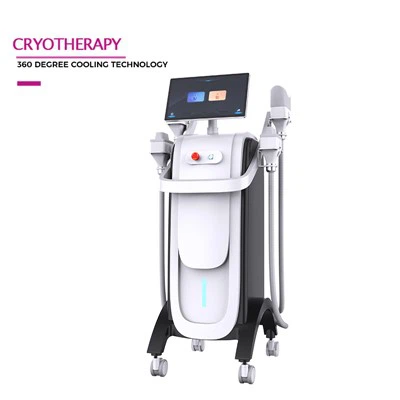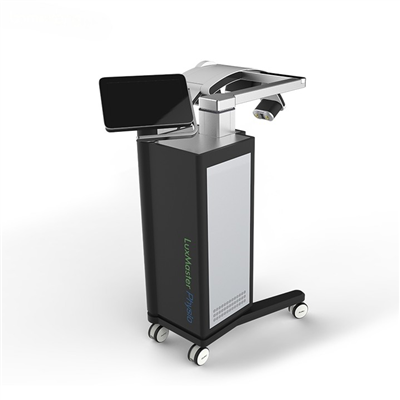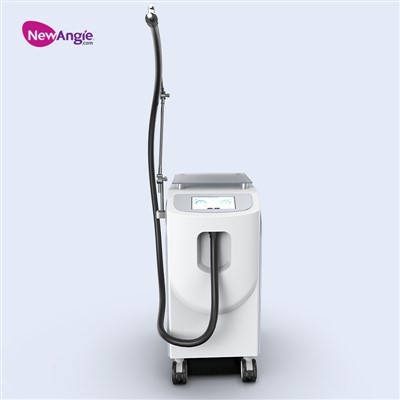




In 2026, a new wave is sweeping through the medical aesthetics market; patients are gradually moving away from traditional invasive body contouring surgeries, instead gravitating toward "non-invasive" and "minimally invasive" medical aesthetic technologies. Operators of aesthetic clinics are no exception; to align with market trends and drive their own business growth, they, too, are seeking non-invasive body contouring devices that offer greater commercial flexibility. Amidst the fierce competition within the medical aesthetics sector, cold wave body contouring devices are increasingly capturing public attention, emerging as a highly sought-after offering in clinics, beauty salons, spas, and other aesthetic institutions.
However, for aesthetic clinic operators, purchasing equipment is no longer a simple procurement task; rather, it has become a strategic decision centered on Return on Investment (ROI). Faced with a bewildering array of brands and technical specifications on the market, selecting the right equipment-and the right partner-has become a significant challenge.
This article aims to assist buyers in realistically assessing the true value of coldwave body contouring devices, providing a comprehensive purchasing decision guide that covers everything from technical principles and profitability models to the critical process of selecting a supplier.
Why Is Cold Wave Body Contouring Attracting So Much Attention in 2026?
An increasing number of institutions are turning their attention to ColdWave body contouring devices-a trend driven by the dual forces of evolving consumer demand and technological innovation.
Consumer needs have shifted.
Modern aesthetic patients now seek "lunchtime beauty treatments"-procedures that are quick, painless, and non-invasive, allowing them to resume their daily activities immediately. They are averse to the lengthy recovery periods and inherent risks associated with liposuction surgery, and they have grown weary of the discomfort often experienced during treatments utilizing certain traditional devices. Cold Wave technology addresses these specific demands perfectly.
Cold Wave technology resolves the key pain points associated with traditional methods.
While previous radiofrequency (RF) and ultrasound technologies were effective, they often caused a burning sensation on the skin's surface. The core breakthrough of Cold Wave technology lies in its "cold-heat separation" mechanism. It utilizes specific microwave frequencies to precisely heat the subcutaneous fat layer-thereby facilitating lipolysis (fat breakdown)-while simultaneously protecting the epidermis through an intelligent cooling system integrated into the treatment handpiece. This unique mechanism not only ensures effective results but also significantly enhances patient comfort, making it naturally more appealing and acceptable to clients.
Coldwave Body Contouring Device: What Is It? What Are Its Functions?
Many people are misled by the literal term "Coldwave," assuming the device relies on freezing temperatures to eliminate fat. In reality, the Cold Wave body contouring device is a controlled microwave-based heating system.
Its mechanism of action is highly selective: 2.45 GHz microwave energy is primarily absorbed by water molecules within adipose tissue. This absorption generates a thermal effect through molecular rotational friction, thereby inducing apoptosis (programmed cell death) in fat cells while simultaneously promoting collagen contraction and regeneration.

A single Cold Wave body contouring device enables practitioners to offer clients a diverse range of treatment services-a capability that lies at the very core of its commercial value:
- Precise Fat Reduction: Targets stubborn areas-such as the abdomen, flanks, thighs, and arms-to reduce fat thickness and circumference.
- Skin Tightening & Anti-Aging: Thermal energy penetrates deep into the dermis to stimulate collagen remodeling, effectively addressing skin laxity issues resulting from childbirth or significant weight loss.
- Cellulite Improvement: By boosting blood circulation and metabolic activity, the device smooths the skin's surface and improves the appearance of cellulite.
What Benefits Does Purchasing Cold Wave Body Contouring Equipment Bring to a Beauty Clinic?
Purchasing Cold Wave body contouring equipment is not merely an expense; it is a value-added investment designed to help you achieve a rapid return on investment.
Increased Average Transaction Value and Conversion Rates:
Cold Wave devices typically feature multiple handpieces capable of performing both large-area body contouring and facial treatments (such as double chin reduction and jawline lifting). This "face-plus-body" combined treatment model offers clients a wider range of aesthetic solutions, thereby effectively boosting the revenue generated per client.
Increased Client Traffic:
Compared to traditional manual massage or complex-to-operate machinery, Cold Wave devices offer shorter treatment times per session (typically 15–20 minutes per area). This means your clinic can serve more clients within the same timeframe, significantly increasing your daily client throughput.
High Client Retention:
Non-invasive body contouring treatments typically require a course of 2–3 sessions to achieve optimal results, encouraging clients to return regularly for maintenance. Furthermore, thanks to the comfortable treatment process and superior client experience, these devices are highly effective in converting first-time visitors into loyal, long-term clients.
Three Key Aspects to Evaluate When Purchasing Microwave Body Contouring Equipment
When evaluating microwave body contouring devices, it is essential to conduct a rigorous assessment based on the following three key areas:
Regarding the Device Itself
-
Technical Certification:
Verify whether the equipment holds core technical patents (such as specific microwave frequencies and energy control systems) .
-
Handpiece Configuration:
Verify that the device is equipped with handpieces suitable for varying treatment depths. Deeper handpieces are used to treat thicker layers of subcutaneous fat, while shallower or specialized handpieces are utilized for delicate areas, such as the face and neck.
-
Cooling System:
Test the device's real-time temperature control capabilities. This is a critical system for ensuring patient safety and facilitating a painless treatment experience.
About the Manufacturer
-
Regulatory Compliance:
The regulation of medical aesthetic devices is becoming increasingly stringent. It is imperative to verify whether the manufacturer holds ISO 13485 certification (Quality Management Systems for Medical Devices) and whether their equipment possesses EU CE certification, US FDA approval, or NMPA (National Medical Products Administration) registration in China.
-
R&D Capabilities:
Inquire whether the manufacturer operates a facility equipped with its own in-house R&D team and clinical testing department. In 2026, manufacturers possessing OEM/ODM capabilities typically demonstrate stronger technical reserves.
Prioritizing Your Specific Needs
Before selecting a specific brand of microwave body-contouring equipment for your clinic or beauty salon, it is essential to clearly define your target clientele. If you are catering to working professionals, their priorities will be "non-invasiveness," "speed," and "convenience"; if you are serving postpartum mothers, their key concerns will be "skin tightening," "efficacy," and "safety." While cold-wave technology is broadly applicable, your marketing messaging must be tailored to resonate with these distinct groups.
Furthermore, regulatory compliance is paramount. Cold-wave body-contouring devices are classified as medical equipment; if your facility lacks the necessary credentials to utilize such instruments-specifically regarding your business license scope and medical practice qualifications-then purchasing this equipment and performing aesthetic procedures in violation of regulations exposes you to significant legal risks.
How to Choose a Reliable Manufacturer?
Selecting a manufacturer is, in essence, choosing a long-term partner. In the global supply chain of 2026, new brands of medical aesthetic devices are emerging constantly; however, their actual capabilities and the true performance of their equipment vary widely. We recommend using the following checklist to guide your selection process:
On-site Inspection:
Do not rely solely on product brochures; if circumstances permit, visit the factory in person to inspect the production lines, quality control procedures, and R&D center.
Request Clinical Data:
Ask the manufacturer to provide clinical treatment reports or white papers specifically regarding the cold-wave device in question. Theoretical claims alone are insufficient; the device's efficacy must be substantiated by concrete data.
Evaluate After-Sales Support:
Medical aesthetic devices are consumable assets. Inquire about the size of the after-sales team, their support protocols, and their average response time for repairs.
Verify Certificate Authenticity:
Request scanned copies of relevant certifications (such as CE or ISO) and cross-reference them against the official websites of the respective certifying bodies; remain vigilant against fraudulent or counterfeit certificates.
Avoid Common Buying Pitfalls
When purchasing aesthetic equipment, many people fall into common mental traps.
Focusing solely on appearance
Some assume that if a machine looks high-end and features a large screen, it must be effective and user-friendly. In reality, however, a visually appealing device may still suffer from operational difficulties or poor after-sales support.
Overemphasizing technical specifications
Some buyers tend to fixate on numerical metrics-such as energy levels and frequencies-believing that higher numbers automatically equate to superior performance. Yet, effective treatment is not achieved merely by stacking up statistics. What truly determines the efficacy and overall experience are factors such as the device's operational stability, the level of comfort provided during treatment, and the ease and intuitiveness of its operation.
Neglecting after-sales support
Many individuals treat after-sales service as an "issue for later" when signing a contract. However, throughout a device's lifecycle, one is almost bound to encounter operational queries, minor malfunctions, or the need for spare parts. At such critical moments, a supplier's ability to provide a rapid response and professional solutions determines whether the device serves as a profitable asset or a perpetual source of headaches. Even a single day's delay in response can result in significant financial losses.
Lacking clarity regarding the target audience
Before purchasing equipment, it is essential to clearly define who will actually be using the machine-will it be for standard clients in a beauty salon, or for medical aesthetic patients in a clinical setting? Is the device intended for use within your own facility, for resale and distribution, or even for private labeling under your own brand? The direction for selecting specific configurations varies drastically depending on these factors. Without a clearly defined target market, there is a high probability that the purchased equipment will fail to meet the specific needs of local consumers.
Overlooking branding and market presentation
If you intend to engage in distribution, private labeling, or building your own brand, you must establish clear communication with the supplier early in the procurement process regarding every detail-from the device's exterior color and control panel language to the consistency of packaging, user manuals, and brand logos. Many buyers wait until the equipment order has been finalized before inquiring about changing the logo or customizing the user interface; by then, it is often too late. Brand image is not merely an afterthought or a decorative embellishment; it is a critical component that determines whether a product can successfully establish a firm foothold in the market.
FAQ about Coolwave Body Contouring Treatment
What is Cold Wave Body Contouring? Is it the same as Cryolipolysis?
No, they are different. Cold Wave Body Contouring utilizes microwave heating technology (2.45 GHz) to deeply heat fat cells, thereby inducing apoptosis (programmed cell death), while the epidermis is protected by a built-in cooling system. Cryolipolysis, conversely, works by freezing fat cells to death using low temperatures. The underlying principles of the two methods are diametrically opposed.
What issues can the Newangie Pro Microwave machine address?
- Reduction of localized, stubborn fat
- Improvement of cellulite
- Tightening of loose skin, addressing issues such as postpartum laxity or sagging following weight loss
How many sessions are required? How long does it take to see results?
A course of 4–6 sessions is recommended, with intervals of several weeks between each session.
The therapeutic effects are progressive; the full results typically become visible 6–12 weeks after the completion of the treatment course.
Is it painful? Is there a recovery period?
It is not painful; the sensation is one of comfortable warmth. There is no recovery period; you may resume your normal activities immediately after the treatment.
Who is not a suitable candidate for this treatment?
- Pregnant or breastfeeding women
- Individuals with a cardiac pacemaker or metal implants within their body
- Individuals suffering from severe skin diseases or active infections
- Individuals with clinical obesity (Cold Wave technology is not a weight-loss tool)
How long do the results last?
The destroyed fat cells are permanently eliminated from the body. Provided that a healthy diet and regular exercise are maintained, the results can be sustained over the long term.