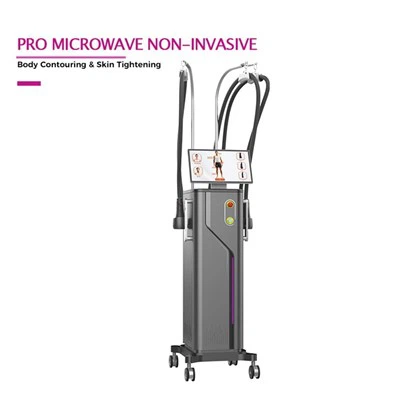

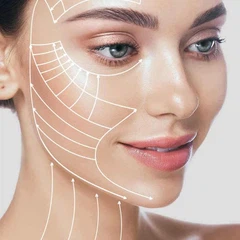



With the rapid development of non-invasive anti-aging technologies, High-Intensity Focused Ultrasound (HIFU) devices have become a core tool for many beauty salons, clinics, and other medical aesthetic institutions to enhance their competitiveness. They have gained widespread recognition in the beauty market due to their ability to reach the SMAS layer and achieve facial lifting and tightening effect. However, facing a wide variety of HIFU devices with diverse brands and functions on the market, making an informed investment choice is a crucial decision for the long-term development of beauty institutions. This decision not only concerns the initial investment cost but also directly impacts future clinical results, customer repurchase rates, and the institution's reputation. This article will systematically analyze several key factors to consider when purchasing HIFU beauty devices, providing you with a clear and concise guide.
Clinical Efficacy and Energy Precision
The starting point for all investments must be clinical treatment outcomes; this is the most direct factor in determining whether an investment is worthwhile. The effectiveness of HIFU devices fundamentally lies in whether their energy can be precisely and effectively applied to the target tissue level.
Core Action Level and Indications:
First, it's crucial to clarify the primary energy focus of the HIFU device. Is it focused on deep dermal collagen regeneration to improve fine lines, or can it effectively penetrate to the SMAS fascia layer for deep structural lifting? The latter is key to improving facial contours (lifting the jawline, reducing double chin). Ideally, a HIFU device should address both of these aspects.
Simultaneously, verify that the device has been approved by the National Medical Products Administration (NMPA) or relevant regional regulatory agencies for its approved indications, such as facial skin laxity and wrinkle improvement. Ensuring legal and compliant clinical application is essential, not only for the device's safety but also for the smooth operation of your business and for the safety of your clients.
Energy Precision:
The principle of HIFU technology is to precisely focus ultrasound energy at a specific depth under the skin, creating thermal coagulation points that stimulate collagen regeneration and restructuring. When purchasing a HIFU device, its focusing technology is paramount, as it determines the uniformity of energy distribution and treatment efficiency.
Furthermore, the adjustability of treatment depth and the ability to personalize settings for different areas (such as thin skin around the eyes versus thick skin on the cheeks) and individual customer needs reflect the flexibility and superior efficacy of the device.
Clinical Evidence and Reputation:
Manufacturers can provide real-world clinical treatment data for the device. Simultaneously, extensive market research on end-user feedback and peer reviews is crucial to understanding its actual lifting and firming effects, duration of effect, and customer satisfaction. Genuine testimonials and feedback are often more convincing than technical specifications.
Safety and comfort
While pursuing the therapeutic effects of HIFU beauty devices, other factors cannot be ignored-safety is fundamental to the smooth progress of all treatments, and comfort directly affects the customer's treatment experience and repurchase rate.
National Safety Certification:
Professional equipment ensures the precision and efficiency of treatment results. Before purchasing HIFU equipment, always request authoritative certifications such as CE, FDA, and ISO from the manufacturer. To ensure the safety of your clinic, beauty salon, and clients, avoid using machines without proper certification and training.
Built-in Safety Protection Mechanisms:
Look for devices with built-in safety mechanisms, such as automatic temperature control and skin contact sensors, to prevent overheating and ensure patient comfort. Advanced HIFU devices should also have intelligent cooling systems to effectively protect the epidermis during energy emission intervals and prevent heat damage.
Pain Management and Comfort Optimization:
Pain during treatment is a major reason why many clients hesitate to undergo the procedure. Evaluate the device's energy emission mode (e.g., whether it uses a gentler pulsed emission), the adjustable range of single-point energy intensity, and treatment frequency. Offering a variety of options from gentle maintenance to powerful lifting, combined with an effective and efficient cooling system, will greatly improve the client's treatment experience and tolerance.
Equipment Performance and Operational Efficiency
Treatment Depth and Versatility:
Comprehensive HIFU devices offer various treatment depths. Facial treatment depths typically range from 1.5 mm to 4.5 mm, allowing for personalized treatment at different layers of skin tissue. Some HIFU devices also suitable for body care are equipped with specialized handpieces, with needle depths often ranging from 3.0 mm to 12 mm. Multiple outputs improve treatment efficiency and are suitable for large areas.
The lifespan and number of firing cycles of the treatment head are also crucial factors, as the cost per use directly impacts the profit per treatment. Clearly defining warranty policies and replacement costs is an important part of cost accounting.
Ergonomics and Interaction Design:
Devicees with intuitive interfaces and easy-to-use controls simplify the treatment process, facilitating operator training. Consideration should also be given to whether the handpiece is lightweight, ergonomic, and comfortable for extended use, and whether parameter settings and treatment record retrieval are quick and convenient. Excellent interaction design improves workflow and reduces operational errors.
Brand Strength and After-Sales Support
Purchasing a HIFU beauty device is a one-time transaction, but using it is a long-term process. Therefore, purchasing a reliable device is crucial, which is related to the brand's strength and after-sales service.
Manufacturer Background and R&D Capabilities:
Examine the brand's professional expertise in the HIFU field, global sales volume, and technological investment. A brand with rich experience and continuous innovation capabilities is more likely to ensure the technological advancement and iterative potential of its equipment, making it less susceptible to rapid market obsolescence.
Production Capacity:
Suppliers with strong production capabilities can guarantee timely and accurate delivery of instruments. Therefore, it is best to choose manufacturers with their own factories, eliminating the need for external suppliers. This helps avoid delays due to untimely external supply and also improves production efficiency, saving time and costs.

Comprehensive After-Sales Service System:
This is the most crucial "insurance" in your investment. You can ask the manufacturer the following questions.
-
Training System:
Does the manufacturer provide a complete set of standardized training, from basic principles and practical exercises to handling complications? Can they provide continuous advanced learning opportunities?
-
Repair:
Is repair free after machine malfunction? If so, what is the repair period? What is the spare parts inventory status? What are the backup machines or solutions during repairs?
-
Long-Term Support:
Does the manufacturer provide regular equipment performance testing, calibration services, and software upgrades? Can the manufacturer provide ongoing support in marketing and customer consultation?
Investment Costs and Returns
After purchasing a suitable HIFU device, its economic value is realized through operation. You need to consider the following costs:
Initial Investment Costs:
This includes not only the price of the unit but also import duties (if applicable), transportation, installation, initial training, and other additional costs (some manufacturers offer free technical training).
Cost per Treatment:
Calculate the cost of core consumables (such as treatment heads, disposable protective films, etc.) and the depreciation of the treatment head per firing. This directly determines the gross profit margin per treatment.
Operating and Maintenance Costs:
Estimate annual preventative maintenance costs, potential repair costs, software service fees, equipment insurance, and capital tied up in consumable inventory.
Capacity and Investment Recovery Period:
Estimate the daily/monthly treatment capacity based on the device's treatment speed (treatment time per site) and patient turnover efficiency. Conduct a detailed return on investment analysis based on market pricing and cost per treatment.
In addition to the important factors mentioned above, I suggest that you conduct a detailed survey of your target market before purchasing HIFU equipment. Analyze the preferences and tendencies of your target customers to determine the appropriate specifications and configuration of the HIFU device. At the same time, investigate the brand awareness of the company you are interested in in the region, or find people who have purchased HIFU devices from that brand and ask them about their experiences and treatment effects. This is a reliable and convenient way to conduct research.
Selecting HIFU beauty equipment is a process of moving beyond "technical parameters" to "clinical value and commercial essence." It's far more than simply purchasing hardware; it's about introducing a long-term service capability, a profit growth point, and a vehicle for brand trust for beauty institutions.
We recommend decision-makers adopt a three-step strategy: First, clearly define the target market and core needs; second, based on the above references, conduct a checklist-style review of candidate devices and on-site trials (striving for hands-on demonstrations); finally, conduct a risk assessment.
Only through such a systematic and multi-faceted examination can we see through marketing rhetoric and select the HIFU device that achieves the best balance in efficacy, safety, efficiency, service, and return on investment. In this way, we can win the long-term trust of customers and achieve long-term stable business progress in the fierce competition of medical aesthetics by relying on innovative technology and high-quality service.